


























Choosing between a camping tent and a hammock is one of the most practical decisions any camper faces before heading outdoors. Both shelters serve the same basic purpose but deliver a completely different experience on the ground. This blog breaks down every major differentiating factor so you can walk into your next trip with the right setup.
The Core Difference
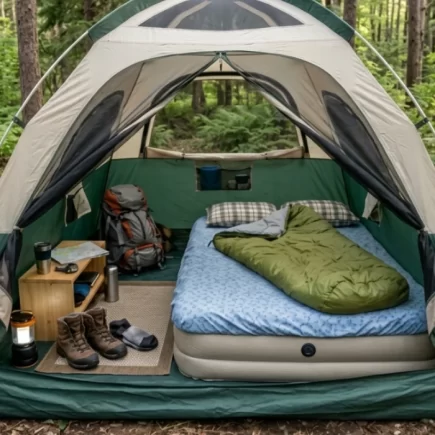
A tent places you on the ground inside a fully enclosed structure. It surrounds you with solid walls, a sewn-in floor, and a rainfly that seals you off from the outside environment.
A hammock suspends your body between two anchor points above the ground. It keeps you elevated, exposed to open air on all sides, and entirely dependent on the natural landscape for its setup.
Terrain: Ground Conditions and Site Compatibility
Terrain is the single most decisive factor when choosing between these two shelters. A tent is compatible with nearly any surface flat dirt, gravel, grass, or compacted soil. A hammock requires two healthy trees with adequate spacing and trunk strength.
| Terrain Type | Tent | Hammock |
| Flat grassy campground | Compatible | Depends on tree presence |
| Rocky or uneven ground | Compatible with padding | Fully compatible |
| Sandy beach or open desert | Compatible | Not compatible |
| Dense forest | Compatible | Highly compatible |
| Alpine or above treeline | Compatible | Not compatible |
If your camping takes you across varied landscapes, a tent gives you far greater site flexibility from one trip to the next.
Sleep Comfort: Body Position and Pressure Points
A hammock eliminates contact with the ground entirely, which removes pressure points at the hips, shoulders, and lower back. Many campers report noticeably better rest quality as a direct result of that suspension.
A tent allows you to sleep flat, which closely mirrors the sleeping position most people use at home. Side sleepers in particular often find the natural curve of a hammock uncomfortable until they master the diagonal lie technique.
Tip: Lying at a 30-degree diagonal angle inside a hammock creates a far flatter and more comfortable surface than lying straight along the centerline.
Insulation: Heat Retention and Temperature Management
Insulation behavior is where hammocks have a less obvious disadvantage. Body weight compresses the sleeping bag beneath you, eliminating its insulating ability from below. Cold air circulates freely under the hammock, pulling heat away from your body throughout the night.
Tents trap heat from your body and from the ground surface, maintaining warmth more efficiently in cooler temperatures without requiring additional gear layers.
| Condition | Tent Requirement | Hammock Requirement |
| Warm summer nights | Sleeping bag or light liner | Sleeping bag only |
| Shoulder season | Warmer sleeping bag | Sleeping bag plus underquilt |
| Cold or winter nights | Insulated pad and sleeping bag | Underquilt, top quilt, and tarp |
Tip: An underquilt is the most important accessory for cold-weather hammock camping. It hangs beneath the hammock and insulates from below without any compression loss.
Weather Protection: Rain, Wind, and Bug Defense
A tent with a full rainfly creates an enclosed barrier against rain, wind, and insects from all sides. The sewn-in floor prevents moisture from entering from below, which is a structural advantage in wet conditions.
A hammock elevated above the ground avoids pooling water naturally, but wind reaches the body from every direction. A full tarp is required for real rain coverage, and a bug net is a separate addition in most hammock systems.
- Tents manage wind exposure more effectively by design.
- Hammocks avoid ground moisture but require more accessories for full weather coverage.
- Bug protection is typically integrated in tents but purchased separately for hammocks.
Weight: Total System Load When Fully Packed
The assumption that hammocks are always the lighter option is only accurate in warm weather. A bare hammock is impressively light, but the complete system including tarp, straps, bug net, and insulation layers adds significant weight.
| Season | Complete Tent System | Complete Hammock System |
| Summer | Lighter total load | Comparable total load |
| Shoulder season | Moderate total load | Noticeably heavier |
| Winter | Moderate total load | Significantly heavier |
For campers who go out across multiple seasons, a well-chosen lightweight tent often comes out ahead on total system weight once all required gear is counted.
Packability: Size and Compression of Each Setup
A hammock alone compresses into an impressively small package, often fitting into a pouch the size of a softball. This makes it genuinely easy to carry as a secondary item or slip into a smaller bag.
Once the full system is assembled tarp, straps, insulation, and bug net the total pack volume becomes comparable to a compact backpacking tent. The packability advantage of a hammock is most relevant for warm-weather-only use.
Tip: If you only camp in warm conditions, a hammock system compresses smaller and is easier to carry on flights or fit into tight pack spaces than most tent options.
Setup: Time, Ease, and Learning Curve at Camp
A tent follows a predictable setup process that most campers already understand. Poles, stakes, and a rainfly come together in a familiar sequence that requires very little experience to get right.
A hammock introduces more variables: locating suitable trees, dialing in the hang angle, rigging the tarp, and attaching the bug net all require practice before they feel second nature.
| Experience Level | Tent Setup Time | Hammock Setup Time |
| First-timer | Around 15 minutes | Around 20 minutes |
| Experienced camper | Around 5 minutes | Around 10 minutes |
| Very experienced camper | Around 4 minutes | Around 8 minutes |
Hammocks consistently take roughly twice as long to set up regardless of experience level.
Space: Interior Room and Gear Storage Capacity
A tent provides a defined floor area where sleeping gear, clothing, and equipment can be organized and kept dry. Most tents include a vestibule specifically for storing boots, wet layers, and packs outside the sleeping area.
A hammock supports the body only. All other gear sits outside on the ground or gets hung from a ridgeline, which creates real challenges in wet weather or in areas where wildlife activity requires secure storage.
- Tents offer reliable enclosed space for gear organization overnight.
- Hammocks provide no floor-based storage by default.
- Securing gear from rain and animals is easier inside a tent.
Versatility: Group Size, Kids, and Pets Compatibility
Tents are available in a wide range of capacities, from solo models to family-sized designs that sleep four or more. Children feel more secure in an enclosed structure, and dogs can sleep inside comfortably alongside their owners.
Hammocks are fundamentally a single-person shelter. Each additional person in a group needs their own complete system, and managing cold-weather insulation for children in a Hammock presents real practical challenges.
Tip: For family camping or any trip involving children under 12 or pets, a tent is the more practical and manageable shelter choice.
Health: Back Pain Relief and Sleep Position Needs
Hammock camping offers a well-documented advantage for campers dealing with chronic back pain, hip discomfort, or arthritis. The full-body suspension distributes weight evenly with no hard contact points, which eliminates the ground-related soreness that affects many tent sleepers.
Some long-distance hikers specifically credit hammock camping with keeping them active on trail when ground sleeping had become too painful to sustain. Stomach sleepers, however, tend to find tents more accommodating for their natural sleep position.
Regulations: Permitted and Restricted Use by Location
Campground and park regulations are a factor that hammock campers must research before every trip. Many protected areas restrict hammock use to prevent strap-related damage to tree bark, and some ban it entirely at certain sites or zones.
- Always verify specific hammock policies before packing your system.
- Wide straps of at least one inch in width are required at most regulated sites.
- Some locations permit hammocks only at designated spots.
- Tents are accepted universally at established campgrounds and most backcountry areas.
Tip: When camping at an unfamiliar location, a tent removes the uncertainty of checking hammock-specific rules for every new site you visit.
Environment: Ground Impact and Leave No Trace
Hammocks are often cited as the lower-impact option because they do not flatten ground vegetation the way a tent footprint does. In high-traffic areas this distinction has real merit, as repeated tent placement can suppress plant recovery over time.
The environmental advantage of a hammock depends entirely on how it is rigged. Narrow straps concentrate pressure on tree bark and can cause lasting damage to the cambium layer beneath. Responsible hammock use requires wide straps and careful tree selection every time.
- Use straps at least one inch wide to protect bark from concentrated pressure.
- Avoid trees that are young, small in diameter, or visibly stressed.
- Relocate your tent footprint slightly between nights to allow vegetation recovery.
Final Verdict: Choosing the Right Shelter for You
There is no universal winner between a tent and a hammock. The better shelter is always the one that matches your specific terrain, season, group size, and camping habits.
| Choose a Tent When | Choose a Hammock When |
| Camping with family or children | Camping solo or with adults only |
| Visiting open, treeless, or desert terrain | Staying in forested or wooded areas |
| Camping in cold or shoulder season | Camping primarily in warm weather |
| Needing universal campsite compatibility | Prioritizing lightweight warm-season packing |
| Securing gear indoors overnight matters | Managing back pain or ground discomfort |
Both a Camping Tent and hammock can make outdoor sleeping comfortable when used in the right setting. The key is matching your shelter to the season, location, and personal comfort needs. A well-chosen setup helps make the whole camping experience smoother.
FAQs
Hammocks can damage trees if thin ropes or improper straps are used, as they cut into the bark under tension. Using wide, tree-friendly straps helps distribute weight evenly and prevents harm. Choosing healthy, mature trees and avoiding over-tightening also reduces impact.
Condensation is typically more noticeable in tents because enclosed walls trap moisture from breathing and temperature changes. Hammocks allow better airflow, which reduces moisture buildup in most conditions. However, adding tarps or rain covers can slightly increase condensation in hammock setups.
Hammocks can work for long-term camping if set up correctly with insulation, rain protection, and proper support. Comfort depends on personal preference and the ability to maintain a flat sleeping position. In colder climates or treeless areas, tents may provide more consistent shelter over time.