








If you’re constantly tripping over toys, searching for leashes, or watching kibble bags take over your pantry, you’re not alone. Between feeding supplies, toys, grooming tools, and outdoor gear, pet items quickly infiltrate every corner of your home. With the right systems, you can create a functional, clutter-free space that simplifies daily routines.
Core Organization Principles
Before diving into specific solutions, understand these foundational concepts:
- The Proximity Principle: Position items near where you’ll use them leashes by the door, kibble near feeding areas, grooming supplies in bathrooms. Each section below applies this principle to specific items.
- Protection Strategy: Use airtight or weatherproof containers to preserve freshness, prevent pests, and protect from moisture.
- The Rotation System: Not everything needs constant availability. Rotate toys every few days, swap seasonal gear as weather changes, and keep backup supplies in designated areas to reduce clutter while maintaining variety.
- Multi-Dog Management: When you have multiple dogs, assign each one a color for their gear (collars, bowls, hooks, tags). This prevents mix-ups and creates instant visual organization.
- Strategic Placement: Throughout your home, place items in corners or against walls to avoid blocking traffic flow. Keep at least 2 feet of clearance on main pathways. Position elevated items at comfortable heights where you can grab them without awkward reaching or bending.
Organizing Indoor Dog Items
1. Entryway Organization for Daily Essentials
Wall Hooks and Hanging Solutions
Install sturdy wall hooks 12-18 inches apart specifically for leashes and collars. Use lower hooks for everyday items and upper hooks for seasonal gear like reflective harnesses.
Floor Mat Setup
Place a washable floor mat near your door for wiping muddy paws. Keep a small basket nearby for poop bags, keys, and a towel. Add a wall-mounted waste bag dispenser for easy reach during walks.
2. Dog Toy Storage and Rotation
Toy Baskets and Bins
Use open baskets or bins that your pet can access independently. Place these in high-traffic areas where they spend the most time. Many dogs learn to retrieve and return toys to their designated basket when rewarded.
Smart Toy Rotation
Professional trainers recommend rotating toys to maintain mental stimulation and minimize clutter:
| Toy Category | Location | Rotation Schedule |
| Chew toys | Open basket | Available daily |
| Interactive toys | Cabinet or closet | Rotate every 3-4 days |
| Plush/squeaky toys | Closet bin | Weekly rotation |
If maintaining an organized toy rotation feels overwhelming without the right variety, a curated collection of durable, pet-safe options simplifies the process. Aosom’s range is designed to support structured play and rotation systems that keep pets engaged without constant replacements.
3. Dog Bowl Stations and Food Storage
Dog Bowl Placement
Position bowls for food and water side by side on a washable mat to catch spills. Keep a small towel nearby for cleanup. For multiple dogs, separate feeding stations by 3-4 feet to reduce food aggression.
| Number of Dogs | Station Strategy | Space Needed |
| 1 dog | Single station | 2×2 feet |
| 2 dogs | Side-by-side or separate corners | 4×2 feet total |
| 3+ dogs | Individual stations in different rooms | Varies |
Food Management
Transfer dry food into airtight containers immediately. Label with the brand and expiration date. Keep treats in sealed containers, small treats for training in accessible spots, larger treats in cabinets.
If managing spills and maintaining clean feeding areas feels like a constant battle, bowls designed with stability and spill-resistance make daily maintenance easier. Aosom’s dog bowl collection features elevated stands, non-slip bases, and integrated mat designs that keep feeding stations functional and tidy.
4. Dog Beds and Crate Placement
Dog Bed Positioning
Measure your available floor space before purchasing to ensure the bed size works for your layout. Place beds in corners or against walls where they won’t interrupt traffic flow.
Dog Kennel and Crate Integration
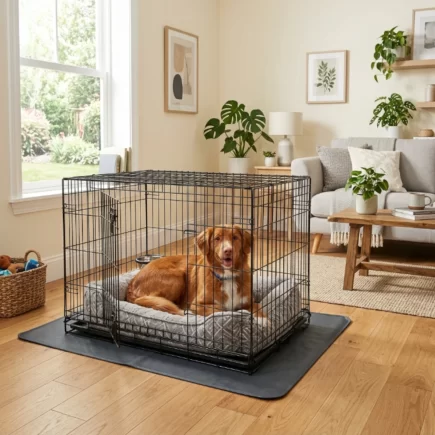
Dog Kennels and Crates serve as safe spaces during training and anxiety reduction. Choose quiet spots by:
- Placing in room corners away from high-traffic zones
- Avoiding direct sunlight or drafty areas
- Keeping near electrical outlets if you use crate fans or heating pads
- Using crate covers for added privacy and comfort
Add a favorite toy or blanket beside each rest area, creating a “bedroom” concept your pet recognizes.
5. Dog Gates for Boundary Management
Strategic Gate Placement
Install gates to create boundaries at:
- Kitchen entrances during meal prep
- Home office doorways
- Staircases to prevent access to upper or lower levels
- Bedrooms for pet-free sleeping areas
Choose pressure-mounted Dog Gates for temporary barriers, hardware-mounted for permanent installations, and retractable gates for flexibility. Designating certain rooms as pet-free zones automatically reduces the spread of toys, hair, and supplies.
6. Grooming Supply Organization
Bath time turns stressful when you’re halfway through and realize the shampoo is in another room.
Grooming Station Setup
Dedicate one area specifically for grooming supplies:
- Shampoos and conditioners
- Brushes and combs designed for your pet’s coat type
- Nail clippers and files
- Ear cleaning solutions
- Dental care items
- First aid supplies for minor injuries
Keep everything in one portable grooming caddy or bathroom drawer with dividers.
Daily Maintenance Kit
Assemble a quick touch-up kit with a brush, paw wipes, and eye wipes for daily grooming between full baths.
7. Pet Stairs for Accessibility
Pet stairs help aging or small dogs reach elevated spots without jumping, protecting their joints. Position stairs at:
- The side of your bed
- Next to the couch
- In front of windowsills where they like to look outside
Choose Pet Stairs with non-slip surfaces, adequate width for your pet’s size, and sturdy construction that won’t wobble.
8. Health and Medication Management
Create a dedicated drawer or cabinet containing:
- Prescription medications with clear dosage instructions
- Supplements and vitamins
- Pill pockets for easier administration
- A medication schedule chart
Keep in a climate-controlled area away from humidity, heat, and direct sunlight.
9. Seasonal and Backup Supply Storage
Designate one closet or cabinet area for:
- Backup bags of food
- Bulk treats purchased on sale
- Seasonal clothing (sweaters, rain jackets, boots)
- Holiday-themed toys and accessories
- Replacement collars and leashes
Group clothing by season or purpose using hanging organizers or shelf dividers. As seasons change, rotate these supplies:
- Spring: Transition winter coats to back of closet, bring out rain gear and lightweight toys
- Summer: Move cold weather items aside, access cooling mats, pool toys, and shade structures
- Fall: Prepare for moderate weather gear, check all equipment for wear
- Winter: Access cold weather supplies and insulated bedding
Organizing Outdoor Dog Items
1. Dog House as Your Outdoor Hub
Dog House Positioning
Select a house sized appropriately (your pet should be able to stand, turn around, and lie down comfortably). Position on:
- Level ground with good drainage
- Shaded areas to prevent overheating in summer
- Near your main outdoor activity zone
- Away from property boundaries to reduce barking at passersby
Without a proper shelter to serve as your outdoor organization hub, pet supplies scatter and outdoor routines lack structure. Aosom’s range is designed to act as a focal point for organized outdoor setups, keeping activity zones intentional and easy to maintain.
2. Garden Storage Box for Outdoor Toys
Garden Storage Box Setup
A waterproof garden box with ventilation and a lid works perfectly for containing outdoor toys. Choose boxes with:
- Enough capacity for all outdoor toys
- Weatherproof materials that resist UV damage
- Lids to keep out rain and pests
- Easy-open mechanisms
Position near play areas so toys are convenient to grab and return. Teach family members to put toys back after outdoor sessions.
Organizing by Toy Type
Consider separate containers for different categories: balls in one box, rope toys in another, water toys in a third. This organization makes finding specific toys easier and helps items dry properly between uses.
3. Dog Agility Equipment Storage
Agility equipment taking 20 minutes to set up discourages regular training sessions, while improperly maintained tunnels and jumps deteriorate quickly.
Training Zone Setup
Designate a flat, obstacle-free area as your training zone. This consistency helps your pet focus and understand when training time begins.
Equipment Care
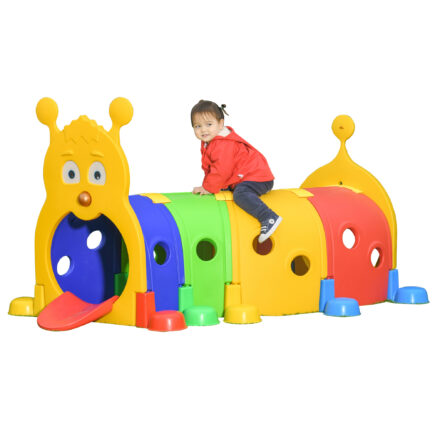
Dog Agility Equipment like jumps, tunnels, and weave poles should be maintained properly to extend their lifespan:
- Stack jump bars horizontally to prevent warping
- Fold tunnels into compact sizes and keep in dry areas
- Disassemble weave poles and bundle together
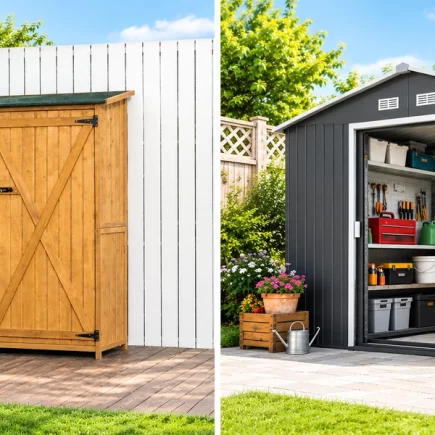
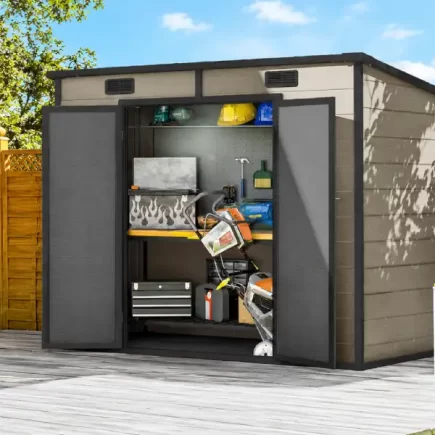
- Protect everything in a shed or garage corner
Collapsible equipment packs most efficiently. Keep a small outdoor cabinet with training treats, water, and training tools within reach during sessions.
4. Dog Carriers and Travel Gear
Dog Carrier Organization
Clean carriers after each use, then keep them in a garage corner, shed, or basement. Make them readily accessible since vet emergencies require prompt transport. For frequently used carriers, position them near exits.
Dog Stroller Organization
Strollers for senior dogs or small breeds can be kept in garages or covered patios. If you use strollers regularly, keep them near exits. For occasional use, fold them and place in sheds or covered areas to protect from weather.
Travel-Ready Kit
Maintain a go-bag that’s always prepared:
- Collapsible food and water bowls
- Three days of food in sealed containers
- Current vaccination records
- Waste bags and cleaning supplies
- Current medications
Keep this kit in your car or near your primary exit door so you’re never scrambling before trips.
If keeping travel gear organized and emergency-ready feels difficult without proper storage solutions, last-minute trips become stressful. Aosom’s pet carrier collection includes collapsible designs, built-in storage compartments, and lightweight options that make maintaining accessible, exit-ready systems straightforward.
5. Seasonal Maintenance and Care
Set quarterly dates to:
- Discard broken toys and worn equipment that could injure your pet
- Donate outgrown items to local shelters
- Replace expired medications and stale food
- Clean and inspect all areas for damage
Maintaining Your Organization System
Your organizational system will only succeed long-term if you:
- Audit quarterly – Every three months, walk through each zone and remove what’s broken, expired, or unused
- Involve everyone – Ensure all family members know where items belong and follow the system
- Adapt as needed – As your pet ages or your household changes, adjust zones and systems accordingly
Organizing your dog’s supplies isn’t just about neatness – it’s about efficiency and ease. By creating dedicated spaces for toys, food, and grooming tools, you ensure everything is at hand when needed. A tidy home and well-maintained systems benefit both you and your pet in the long run.
FAQs
Use small drawer dividers or bins to separate items by type (sweaters, raincoats, bandanas). Store seasonal clothes in labeled boxes and keep everyday items in an easily accessible basket near your door. Hang special occasion outfits on small hangers in a closet to prevent wrinkles.
Keep dog boots in a shallow basket or shoe organizer near your entryway for quick access before walks. Use small cloth bags or zippered pouches to pair boots together and prevent losing individual pieces. Clean and dry boots thoroughly before storing to prevent odor and damage.
Use a decorative basket or fabric bin in your living area that blends with your decor and keeps toys contained. Rotate toys weekly by storing half in a closet, this keeps your dog interested and reduces clutter. Attach a small hook or hanging organizer to a wall or back of a door for rope toys and leashes to save floor space.