



















If your room feels disconnected or your design doesn’t flow, the problem may not be the rug itself, it’s often the location. Area rugs are more than just decorations. They anchor spaces, create zones, and change how rooms work. Learning the basic placement rules will help you choose the best spot in your home.
The Core Rules for Proper Area Rug Placement
Before looking at specific rooms, start with these basic placement tips recommended by interior designers and home style experts.
| Rule | Why It Matters |
| Choose the right size for your space | Right-sized rugs anchor furniture and make the room look put together |
| Keep some distance from walls | Lets rooms feel open while still creating zones |
| Use a nonslip rug pad underneath | Stops sliding and keeps everyone safe |
| Think about traffic flow patterns | Protects busy areas and keeps rugs looking new |
| Match your existing decor | Creates harmony and ties your design together |
| Think about room function | Helps you find the best placement for daily living |
| Measure twice before purchasing | Prevents sizing mistakes and makes sure it fits right |
Expert Tip: In multi-level homes, using matching rugs on each floor creates flow and helps tie your whole home design together.
Best Places to Put an Area Rug (Room-by-Room Guide)
1) Living Room
Living rooms are the perfect place for area rugs because they anchor your furniture and create the main focus of your home. Put your rug so the front legs of your seating furniture rest on it, making a unified gathering space.
Benefits:
- Brings furniture pieces together that might otherwise feel scattered
- Adds warmth and comfort to the room while protecting hardwood or tile floors
- Makes even large rooms feel more cozy and inviting
- Lets you layer design elements like color and texture for extra visual interest
- Naturally guides traffic flow and stops people from walking through your furniture setup
Best for: Living rooms larger than 200 square feet, open-plan spaces, and homes looking for quick design improvement.
2) Bedroom
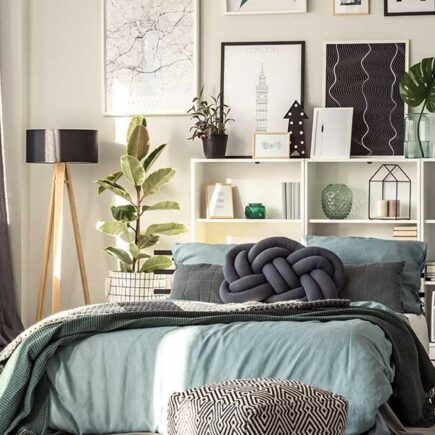
Bedrooms work well with area rugs that add comfort and frame your sleeping space. Put a rug beside your bed for warmth when getting out in the morning, or place one at the foot of the bed to complete your bedroom design.
Benefits:
- Gives soft, warm comfort underfoot during early morning and late-night moments
- Creates a cozy focal point that draws the eye to your bed and bedroom setup
- Helps with sound by reducing noise for a quieter, more peaceful space
- Frames your bed visually and makes the room feel more thoughtfully designed
- Works beautifully with any bedroom style, from modern to traditional
Best for: Master bedrooms, guest rooms, and spaces where you want both comfort and good looks.
3) Dining Room
Dining room placement follows a simple rule: center your rug under the table and extend it at least 24 to 36 inches beyond all edges. This makes sure chair legs rest on the rug when seated.
| Dining Room Size | Recommended Rug Size | Best Placement Strategy |
| Small (under 100 sq ft) | 5×8 feet | Centered under table |
| Medium (100-150 sq ft) | 8×10 feet | Centered with 24-inch extension |
| Large (over 150 sq ft) | 9×12 feet or larger | Centered with full chair coverage |
Benefits:
- Anchors your dining table and chairs in one unified area
- Reduces noise when moving chairs and protects floors from scratches
- Adds elegance and formality to your dining space
- Clearly marks the dining area, especially in open-concept homes
- Creates a visual boundary that separates eating from living spaces
Best for: Homes with dedicated dining rooms and families who entertain often.
4) Entryway
Your entryway sets the tone for your whole home. Put a rug just inside your main entry to create a welcoming transition zone and catch dirt from outside.
Benefits:
- Creates an immediate visual welcome that sets the mood for your whole home
- Catches dirt and moisture before it spreads to other areas
- Protects your main flooring from heavy foot traffic and wear
- Makes homes feel more organized and planned
- Works well with your home’s style and color scheme
Best for: Families with children or pets, high-traffic homes, and entrances that get daily use.
5) Kitchen
Kitchens can be tricky for rug placement because of moisture and spills. If you choose a rug, put it in front of the sink or stove where you spend the most time standing, or use a runner down your kitchen’s main walkway.
Benefits:
- Adds comfort during long cooking sessions and food prep
- Protects hard flooring from spills and moisture damage
- Brings warmth and visual interest to often-sterile kitchen spaces
- Organizes kitchen work zones and improves traffic flow
- Creates a better connection between kitchen and dining areas
Best for: Open kitchens, spaces that connect to dining areas, and cooks who spend a lot of time standing.
6) Home Office
A rug under your desk and chair creates a defined workspace that improves focus and productivity. This placement separates work from the rest of your room.
Benefits:
- Marks your work zone and boosts mental focus and productivity
- Helps with sound by reducing noise from chair wheels and movement
- Protects flooring from chair wheel damage while adding underfoot comfort
- Creates visual separation between work and relaxation spaces
- Makes home offices feel more professional and well-planned
Best for: Remote workers, home offices in shared spaces, and those wanting clear work-life boundaries.
7) Hallways and Corridors
Runner rugs change hallways by adding visual flow and protecting high-traffic areas. Put your runner down the center, leaving 6 inches of flooring visible on each side.
Benefits:
- Protects flooring in one of your home’s busiest areas
- Adds visual flow and ties different areas of your home together
- Reduces noise from footsteps for a quieter hallway
- Turns often-overlooked spaces into planned design elements
- Makes narrow hallways feel styled rather than just functional
Best for: Homes with long hallways, multi-level houses, and spaces that connect main rooms.
8) Staircase Areas
Stair runners add elegance while protecting stairs from wear. Put the runner down the center of your staircase, secured properly to prevent slipping.
Benefits:
- Makes stairs last longer by protecting them from too much wear
- Adds formal elegance and visual interest to staircase areas
- Reduces noise from footsteps for a more peaceful home
- Improves safety by giving better traction on smooth stairs
- Lifts your whole home’s design through this key feature
Best for: Homes with visible staircases, traditional design styles, and those wanting both safety and good looks.
9) Outdoor Patios and Decks
Outdoor rugs extend your living space and create comfortable gathering areas. Put your outdoor rug to anchor seating furniture and mark your outdoor room.
Benefits:
- Turns your patio into an extension of your home’s living space
- Adds comfort and warmth to outdoor furniture setups
- Protects decking from sun damage and reduces fading on furniture
- Creates a planned outdoor room that feels inviting
- Brings color and style to outdoor spaces year-round
Best for: Homes with patios or decks, warm-climate areas, and those wanting to make the most of outdoor living.
Seasonal Placement Considerations
| Season | Best Placement Adjustments | What to Avoid |
| Summer | Choose cooler rooms with steady airflow; move rugs away from direct sunlight and heat-making areas | Sunrooms, west-facing windows, areas that trap heat |
| Autumn | Pick rooms with stable temperatures as outside temperatures change; keep indoor climate steady | Rooms with open windows, areas near often-used doors, drafty spaces |
| Winter | Keep rugs in warm, easy-to-reach indoor spaces; keep room temperature steady around rugs | Cold basements, unheated storage rooms, areas with drafts |
| Spring | Place rugs away from open windows with heavy pollen airflow; choose moderate-temperature areas | Rooms near damp areas after spring rain, high-pollen zones |
Final Placement Checklist
Before choosing a final location, make sure your spot meets these criteria:
- Rug size is right for the room (generally filling 50-75% of the space)
- Front furniture legs rest on the rug for visual unity
- Good clearance exists between rug edge and walls
- Traffic patterns flow naturally around the rug
- Natural and artificial lighting highlights the rug
- Rug color and pattern match existing decor
- Room temperature stays stable throughout seasons
- Flooring underneath allows easy rug placement and removal
- Location allows easy cleaning and maintenance access
Every home has perfect spots for Area Rugs, and understanding placement basics changes your whole room. When your rug sits in a space with the right size, visibility, and balanced traffic flow, it lifts your design. With thoughtful placement, your home gains unity, your spaces feel more planned, and your daily living becomes more beautiful.
FAQs
To clean an area rug at home, start by vacuuming both sides to remove dirt and debris. Spot clean stains using a mixture of water and mild detergent, then blot with a clean cloth. For deeper cleaning, consider a professional steam cleaning or use a rug shampooer, depending on the material.
Area rugs should be replaced every 5–10 years, depending on wear and tear, material, and use. If the rug shows signs of fraying, fading, or significant damage, it’s time for a replacement. Regular maintenance, like cleaning and rotating, can extend the life of your rug.
To prevent your area rug from slipping, use a non-slip rug pad underneath to keep it in place. Choose a pad that suits the rug material and size, and ensure it covers the entire area. Alternatively, you can apply non-slip rug grippers to the corners for extra security.
Yes, there are eco-friendly area rugs made from sustainable materials like jute, sisal, organic cotton, and wool. These rugs are free from harmful chemicals and dyes, offering a more environmentally responsible option for home decor.