


















If you’ve ever struggled to find important records or felt frustrated by poor home organization, the problem may not be your filing system, it’s often the location. Filing cabinets are essential tools for organization, but they require the right setting to truly serve their purpose. Learning the core placement rules will help you choose the most accessible, functional, and document-safe spot in your home.
The Core Rules for Proper Filing Cabinet Placement
Before exploring room-specific locations, start with the universal placement guidelines recommended by professional organizers and interior designers.
Table: Non-Negotiable Filing Cabinet Placement Rules
| Rule | Why It Matters |
| Ensure full drawer clearance | Prevents damage and allows easy file access |
| Always accessible | Ensures you can reach files when needed |
| Keep away from moisture sources | Protects papers from water damage |
| Avoid extreme temperatures | Prevents deterioration and warping |
| Never place on uneven flooring | Prevents tipping hazards and drawer malfunction |
| Choose good ventilation | Prevents musty odors and mold growth |
| Place on sturdy, weight-bearing floors | Heavy cabinets need solid support |
Expert Tip: Multi-level homes benefit from having filing solutions on multiple floors for convenience.
Best Places to Put a Filing Cabinet
1) Home Office
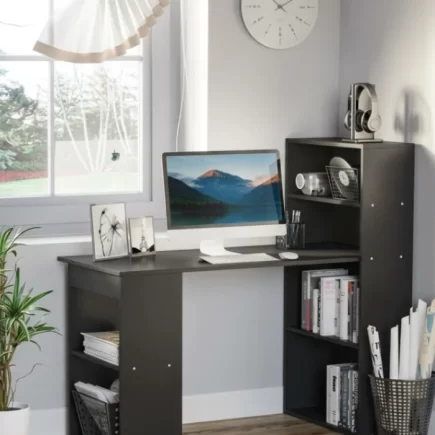
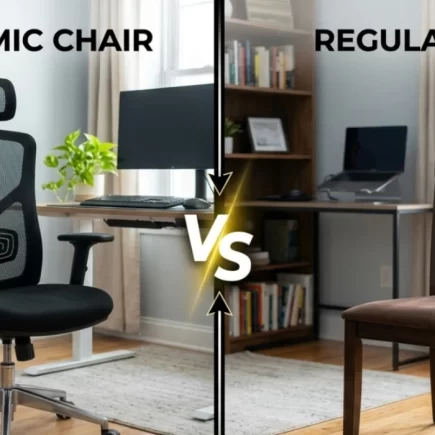
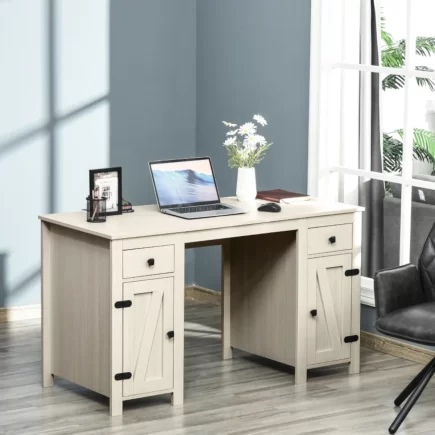
Home offices naturally support filing cabinet functions thanks to their dedicated workspace and proximity to where paperwork is actually used. The room’s purpose creates an efficient management system.
Benefits:
- Workflow efficiency: Direct access while working eliminates unnecessary trips and keeps you focused on tasks at hand.
- Equipment clustering: Keeping files near your desk, printer, and scanner creates a productive command center for all paperwork needs.
- Professional workspace: A well-organized filing system enhances the business-like atmosphere and video call backgrounds during virtual meetings with clients.
- Dedicated organization zone: Having a separate office helps mentally separate work materials from personal household papers, improving overall organization.
Best suited for: Remote workers, home business owners, and anyone who frequently references paperwork while working.
2) Bedroom
Bedrooms offer a private, secure environment that helps keep sensitive materials away from guests and high-traffic areas. The personal nature of this room makes it ideal for confidential paperwork.
Benefits:
- Privacy and security: Personal financial records stay out of sight from visitors and household guests.
- Quiet review environment: Handle sensitive matters without interruption, creating a calm atmosphere for reviewing bills, statements, or legal papers.
- Climate stability: Bedrooms typically maintain consistent conditions year-round, preserving paper integrity over time.
- Reduced foot traffic: Fewer people entering means less dust accumulation and lower risk of accidental spills or damage.
Works well for: Storing tax returns, medical records, personal financial statements, and sensitive family paperwork.
3) Hallway or Nook
Hallway corners or small nooks offer excellent reach throughout the home. The central location provides convenience without dedicating an entire room to storage.
Benefits:
- Central positioning: Easy to reach from multiple rooms, making it convenient for whole-family needs.
- Space efficiency: Utilizes otherwise unused areas, maximizing your home’s storage potential without sacrificing living space.
- Natural airflow: Open hallways maintain circulation, keeping contents fresh.
- Neutral territory: No single person “owns” the area, making it ideal for shared household materials that everyone needs.
- Quick grab-and-go: Perfect for frequently referenced items like warranties, manuals, or emergency contact information that need immediate retrieval.
- Visual reminder system: Seeing the cabinet regularly as you pass by helps remind you to file new materials promptly rather than letting them pile up.
Ideal for: Household paperwork, family records, and files accessed by multiple household members.
4) Living Room Corner
A quiet corner of the living room can be an excellent placement option, especially in apartments or smaller homes. It keeps files within reach while blending into your daily living area.
Benefits:
- Always nearby: No need to leave main living areas to grab receipts or statements.
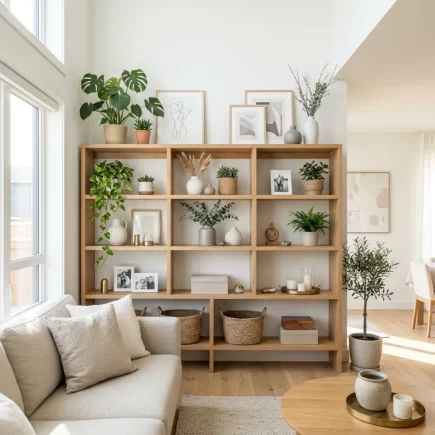
- Design integration: Modern decorative filing cabinets serve as attractive accent furniture and can double as side tables, display surfaces, or room dividers in open floor plans.
- Entertainment center proximity: Store user manuals, warranty information, and subscription details near your TV and electronics for easy reference.
- Family meeting hub: When discussing household finances, bills, or planning, everyone can gather comfortably with materials readily available.
Recommended for: Apartment dwellers, small homes, and households wanting discreet yet convenient storage.
5) Closet or Spare Room
Closets and spare rooms provide dedicated, out-of-sight storage that maintains full availability when needed.
Benefits:
- Hidden storage: Maintains clean aesthetics in main living areas by keeping cabinets completely concealed.
- Dedicated center: Creates a mini office or sorting area without disrupting other room functions.
- Archive-friendly environment: Ideal for long-term storage that doesn’t require daily retrieval but needs safe preservation, with built-in dust protection.
- Expandable system: Allows you to add additional cabinets or storage solutions as your collection grows, with easy seasonal rotation by year.
Perfect for: Archive storage, seasonal records, and homes with extra square footage to dedicate to organization.
6) Kitchen Command Center
The kitchen often serves as a home’s central hub for family activities, making it a practical location for frequently accessed household materials.
Benefits:
- Family hub: Everyone can reach school forms, bills, calendars, and household information in one central spot where daily activity happens.
- Mail processing zone: Natural location near where mail enters the home, keeping active paperwork where decisions are made and tasks are completed from meal planning and grocery lists to bill payment and school permission slips.
Suitable for: Family households, active paperwork like bills and schedules, and creating a household command center.
Places You Should Avoid
Even the best filing cabinet won’t work if it’s placed in the wrong environment. The following locations consistently create problems.
1) Basement (Unfinished)
Moisture, humidity fluctuations, and potential flooding make unfinished basements risky for storage. Mold and mildew can destroy irreplaceable papers.
2) Garage
Extreme temperature swings, humidity, pests, and potential vehicle fumes create a hostile environment for paper and cabinet mechanisms.
3) Near Water Sources (Bathrooms, Laundry Rooms)
High humidity and splash risk threaten integrity. Appliance vibrations can also damage cabinet mechanisms and filing systems.
Placement Tips Based on Home Type
| Home Type | Ideal Placement Location | Why It Works |
| Single-Family Home | Dedicated home office, spare bedroom | Plenty of space options |
| Apartment | Living room corner, bedroom closet | Limited space requires multi-use areas |
| Townhouse | Office nook, second-floor bedroom | Multi-level needs strategic placement |
| Studio Apartment | Behind room divider, corner with decorative screen | Need to maximize every inch |
| Ranch-Style Home | Central hallway, office near entrance | Single-level convenience |
| Two-Story Home | One cabinet per floor | Prevents excessive stair climbing |
| Rental Property | Bedroom, closet (non-permanent) | Must avoid wall modifications |
Seasonal Placement Considerations
| Season | Ideal Placement Adjustments |
| Summer | Choose cooler rooms with steady airflow; keep away from windows with direct exposure and AC vents that cause condensation. |
| Autumn | Select climate-controlled indoor locations as outdoor temps fluctuate; ensure consistent indoor temperature. |
| Winter | Maintain heated, reachable locations; avoid areas where heating is inconsistent or turned off. |
| Spring | Position away from windows during high-humidity periods; ensure good air circulation to prevent moisture buildup. |
Signs the Current Location Isn’t Working
Watch for these signs of poor placement:
- Drawer sticking or jamming frequently
- Musty smell or visible moisture
- Papers yellowing or becoming brittle
- Avoiding the cabinet due to inconvenience
- Clutter accumulating because cabinet is too far away
Every home has both optimal and problematic spots, and understanding these differences is key to successful filing cabinet placement. When the cabinet is placed in a location with convenience, climate control, proper lighting, and stability, organization becomes effortless. The right placement increases efficiency, keeps your papers protected, and makes daily organization much easier. If you’re planning to use a filing cabinet at home, find the best design and size to suit your needs at Aosom.
FAQs
Most standard filing cabinet drawers can hold 40-75 pounds when fully extended, though this varies by model and quality. Higher-end commercial cabinets may support up to 100+ pounds per drawer.
Standard locking filing cabinets provide basic security against casual access but aren’t highly secure locks can be picked relatively easily. For sensitive documents, consider fire-rated cabinets with stronger locking mechanisms or a dedicated safe.
A quality filing cabinet typically lasts 10-20 years with normal office use, while budget models may last 5-10 years. The lifespan depends on build quality, frequency of use, and maintenance of the drawer slides and locking mechanisms.
Standard vertical filing cabinets are too tall to fit under most desks, but lateral filing cabinets (usually 28-30 inches high) or mobile pedestals (15-28 inches) are specifically designed to fit under desk height and work well in that space.