

















Wondering where to put your cat water fountain? The right location makes all the difference. While cat water fountains encourage drinking and prevent dehydration, placement is crucial, cats are picky about where they drink. Put it in the wrong spot, and your cat might ignore it completely.

The best place for a cat water fountain is in a quiet, accessible area away from food bowls, litter boxes, and noisy appliances. This guide covers everything you need to know about choosing the perfect spot for your cat’s fountain, helping you boost your cat’s water intake and overall health.
1. Essential Placement Requirements
When selecting the perfect location for your cat’s water fountain, several factors will influence both your cat’s drinking habits and the fountain’s effectiveness.
Accessibility and Visibility
Cats need easy access to their water source. Place the fountain in a spot where your cat can reach it without effort. Since cats are curious by nature, they’ll investigate the fountain once they spot it. Ensure the fountain is both visible and within easy reach, but not obstructed by furniture or other obstacles.
Tip: Position the fountain where your cat can see it from multiple spots in the room, encouraging frequent use.
Safety and Stability
The fountain must be placed on a stable, non-slip surface to prevent tipping or spilling. If you have children or other pets, ensure the fountain is positioned where it won’t cause accidents.
Tip: Use sturdy surfaces like tile or vinyl, which are easier to clean and reduce the risk of the fountain being knocked over.
Distance from Food and Litter
Cats instinctively avoid drinking water near areas where they eat or eliminate, as they associate these locations with contamination. This is a natural survival instinct that keeps water sources clean in the wild.
2. Creating the Right Environment
Noise Level and Traffic
Cats are sensitive to noise and feel vulnerable when drinking. A fountain placed in a peaceful location will encourage regular use, while one near chaos will be avoided.
What to avoid:
- Busy hallways and doorways
- Near washing machines, dishwashers, or air conditioners
- High-traffic areas with constant movement
Tip: Choose a quiet corner or low-traffic room where your cat can hydrate without feeling stressed or interrupted.
Sunlight Exposure
Direct sunlight creates multiple problems: it warms the water, promotes algae growth, and makes the fountain unsanitary. However, some ambient light makes the area inviting.
Tip: Place the fountain in a naturally lit area but away from direct sun rays, near a window with indirect light is ideal.
Air Circulation
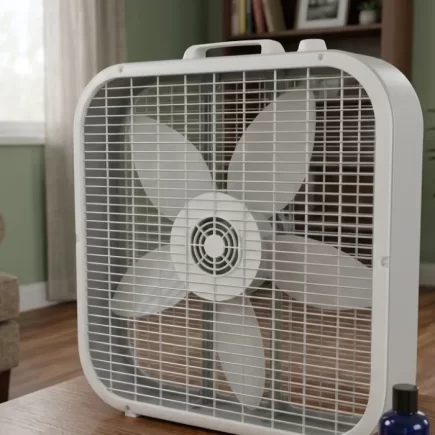
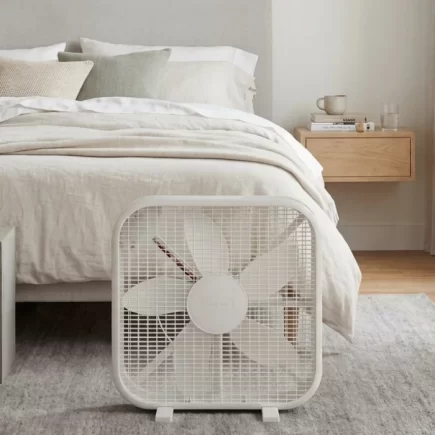
Excessive air currents from vents, fans, or open windows cause water to evaporate quickly and introduce dust or debris.
Tip: Choose a location with gentle airflow to keep water fresh while maintaining proper temperature.
3. Strategic Placement for Different Needs
For Active Cats: Near Play Areas
Cats get thirsty after exercise, making the area near their play zone an excellent fountain location. This positioning takes advantage of natural post-activity hydration instincts.
Tip: Place the fountain near climbing structures, toy areas, or cat trees to encourage drinking after playtime.
For Senior Cats: Elevated Positioning
Older cats with arthritis, joint pain, or neck discomfort struggle with low fountains. Elevating the fountain reduces strain and makes drinking more comfortable.
Tip: Use a raised platform or shelf to bring the fountain to a comfortable height for aging cats with mobility issues.
For Multiple Cats: Multiple Locations
In multi-cat households, competition for resources can reduce water intake. Multiple fountains prevent territorial disputes and ensure every cat stays hydrated.
Tip: Place one fountain per cat in neutral spaces, or position fountains in different rooms to avoid dominance behaviors.
4. Practical Considerations
Power, Safety, and Maintenance
Electric fountains need outlet access while ensuring cord safety and easy maintenance. Choose locations near grounded outlets where cords can be hidden from curious cats using clips, covers, or cable sleeves. The spot should also allow easy access for checking water levels, cleaning, and refilling, preferably near a water source to simplify maintenance.
Tip: Balance three factors: proximity to an outlet, safe cord management, and convenient access for regular upkeep. Avoid locations requiring furniture removal or long walks to refill.
5. Common Placement Mistakes
Avoid these errors that discourage fountain use:
- Near noisy appliances – Stress from loud sounds deters drinking
- Ignoring the food/litter rule – Cats won’t drink if the fountain violates their contamination instincts
- Direct sunlight – Causes algae and warm, unappealing water
- High-traffic zones – Makes cats feel vulnerable
- Unstable surfaces – Leads to spills and accidents
- Hard-to-reach spots – Results in neglected maintenance
Choosing the right location for your cat’s water fountain directly impacts hydration habits and overall health. The ideal placement balances your cat’s natural instincts with practical home considerations.
6. Quick Reference Checklist:
✔ Quiet location – Away from noise and heavy traffic
✔ Separate from food/litter – At least several feet away
✔ Indirect lighting – Bright enough to see, no direct sun
✔ Stable surface – Non-slip, easy to clean
✔ Easy access – For both your cat and maintenance
✔ Safe cords – Hidden and secured from curious cats
✔ Multiple options – For households with several cats
✔ Age-appropriate height – Elevated for senior cats
Choosing the right location for your Cat Water Fountain directly impacts hydration habits and overall health. The ideal placement balances your cat’s natural instincts with practical home considerations.
FAQs
1. Should I move the fountain to different rooms throughout the day?
No, keep the fountain in one permanent location. Cats prefer consistency and moving it disrupts their drinking routine. If you have a large home or multiple floors, use multiple fountains in fixed spots rather than relocating one.
2. Is it okay to place the fountain near my cat’s favorite sleeping spot?
Yes, this can be beneficial since cats often drink after waking up. Just ensure the fountain’s motor noise doesn’t disturb their sleep, most modern fountains are whisper-quiet (under 30 decibels).
3. Does the fountain need to be visible from my cat’s main hangout spots?
Not necessarily. Cats have excellent spatial memory and will remember the fountain’s location once discovered. During the first 1-2 weeks, visibility from their favorite spots helps with discovery, but after that, the fountain just needs to be easily accessible even if it’s not in direct line of sight.