




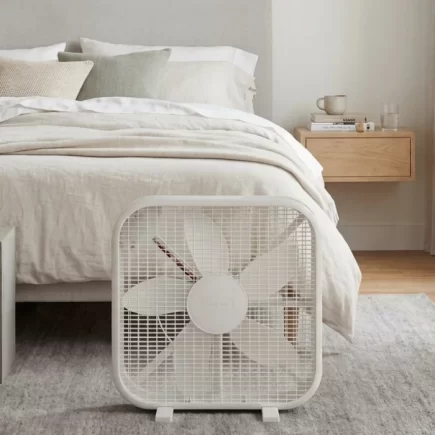











Rising temperatures are making it harder to stay comfortable indoors during peak summer months. Air coolers offer an efficient and cost-friendly way to keep your space refreshed without heavy air conditioning. With so many models and features available, choosing the right one can feel overwhelming. This blog simplifies the process, helping you pick the best air cooler with confidence.
Types of Air Coolers and What Each One Does
Not all air coolers are built the same, and knowing the difference between types is the first step to making a smart choice. The three main types you will find on the market are personal coolers, room coolers, and tower coolers. Each one is designed for a different environment and room size.
- Personal coolers are compact and ideal for small spaces like home offices or single rooms.
- Room coolers sit in the middle ground powerful enough for medium-sized spaces but still manageable in size.
- Tower coolers are sleek, space-saving units that combine strong airflow with evaporative cooling, making them well suited for modern living rooms.
| Type | Best For | Coverage Area |
| Personal Cooler | Bedrooms, offices | Up to 15 sq m |
| Room Cooler | Living rooms | 15–40 sq m |
| Tower Cooler | Open-plan spaces | 30–50 sq m |
Pick the Right Size for Your Room
Room size is the single most important factor when choosing an air cooler. Buying a unit that is too small means it will work overtime without actually cooling the space. Going too large wastes energy and can make a room feel uncomfortably damp.
Simple rule: Match the cooler’s stated coverage area to your room’s actual square meters. Refer to the table above as your starting point, then apply the tips below to fine-tune your choice.
Tips for sizing your air cooler:
- Measure your room length × width to get square meters.
- Accounting for ceiling height rooms taller than 3 meters need more airflow.
- Open-plan spaces need a larger unit than enclosed rooms of the same floor area.
- If your space falls between two size categories, always go with the larger model.
Why Fan Speed Selection Matters at Home
Fan speed control gives you the flexibility to match cooling intensity to the actual temperature of your room. A cooler that only runs at one speed either under-cools on hot days or over-cools on mild ones. Most quality air coolers offer at least three speed settings: low, medium, and high.
Higher fan speeds move more air but also consume more electricity and create more noise. For nighttime use, a low or medium setting is usually ideal. For large gathering spaces on peak summer days, the high speed setting makes the biggest difference.
What to look for in fan speed settings:
- Minimum of 3 speed levels: low, medium, and high
- Smooth transitions between speeds without loud clicking
- A turbo or boost mode for the hottest parts of the day
How the Timer Feature Helps Save Energy
A built-in timer is one of those features that looks minor on a spec sheet but makes a real difference in daily use. With a timer, you can set your cooler to switch off automatically after a set number of hours eliminating the waste of running it overnight or in an empty room.
Most timers range from 1 to 8 hours, and some premium models allow you to program both start and stop times, essentially acting as a smart cooling schedule. Over a full summer, consistent timer use can reduce your cooler’s electricity consumption by 20–30%, which adds up to noticeable savings on your energy bill.
What Oscillation Angle Means for Cooling
Oscillation refers to the side-to-side movement of the air cooler’s louvers and the vents that direct airflow. A wider oscillation angle means cooled air is distributed across a broader area rather than blowing in one fixed direction. This feature is often overlooked but directly impacts how evenly your space gets cooled.
Most mid-range and premium coolers offer oscillation angles between 60° and 120°. Use the table below to match the right angle to your room type.
| Room Type | Recommended Oscillation Angle |
| Single-person workspace | 45°–60° |
| Bedroom | 60°–90° |
| Living room | 90°–120° |
| Open-plan space | 120°+ or dual-direction |
Choosing the Right Water Tank Capacity
The water tank capacity determines how long your air cooler can run before needing a refill. A small tank means more frequent interruptions, while a larger tank gives you longer uninterrupted cooling but adds weight and bulk to the unit.
Here is a general guide to runtime by cooler type:
- Personal coolers (5-10 liters): Approximately 4-6 hours per fill.
- Room coolers (20-30 liters): Approximately 10-12 hours per fill.
- Tower coolers (8-15 liters): Approximately 6-8 hours per fill.
If you plan to move your cooler between rooms regularly, choose a model in the lower-to-mid capacity range to keep the unit manageable when filled. Some models also include an auto-fill port that connects directly to a water line, a valuable convenience feature for permanent installations. Always check refill accessibility too; top-fill tanks are far more practical in daily use than side-fill designs.
Controls and Display Features Worth Checking
The control panel and display determine how practical your cooler is to operate every day. Basic models use manual rotary knobs, while mid-range and premium units offer digital LED displays with touch controls or remote control functionality.
A remote control is particularly valuable for nighttime use adjusting settings without leaving bed is a genuine quality-of-life improvement. Look for a display that is readable from at least 2 meters away, and check whether the brightness can be dimmed or switched off entirely for nighttime use. A bright LED display in a dark room can disrupt sleep more than most buyers anticipate.
How Much Electricity Does an Air Cooler Use
One of the biggest advantages of air coolers over air conditioners is their energy efficiency. The difference in wattage is substantial, as shown below.
| Appliance | Average Wattage | Relative Running Cost |
| Personal Air Cooler | 60–100W | Very Low |
| Room Air Cooler | 100–200W | Low |
| Tower Air Cooler | 80–150W | Low |
| Split AC Unit | 900–2,000W | High |
Running a room air cooler for 8 hours a day costs a fraction of what a traditional AC unit consumes over the same period. Over a three-month summer, the savings can be substantial, often reducing cooling-related electricity costs by 70% or more.
Portability and Design Factors to Consider
If you plan to move your air cooler between rooms, portability matters more than most buyers initially realize. Look for models with smooth-rolling caster wheels that perform well on both hard floors and carpet. Sturdy side handles make moving the unit between floors significantly easier.
Weight varies considerably by type. Personal coolers typically weigh 3–5 kg and are easy to carry by hand. Full-sized room coolers can reach 7–14 kg when filled with water, making reliable casters essential rather than optional. Always check the unit’s weight when filled, not just the dry product weight listed on the box.
Making the right choice depends on how well the Air Cooler fits your space and daily usage needs. Small details like airflow direction, tank size, and controls can impact overall comfort more than expected. A balanced approach helps avoid overspending or underperformance. The right setup delivers consistent cooling without unnecessary effort.
FAQs
Air coolers are less effective in humid conditions because they rely on evaporation, which slows down when the air already contains high moisture. Cooling performance may feel limited or sticky. For better results, use them in well-ventilated spaces with proper airflow.
Yes, regular maintenance is essential to keep an air cooler working efficiently and hygienically. Cleaning the water tank, cooling pads, and filters prevents odor and improves airflow. Routine care also extends the lifespan of the unit.
Poor cooling can be caused by clogged pads, low water levels, or lack of ventilation in the room. Dirty components restrict airflow and reduce cooling efficiency. Ensuring proper cleaning and keeping windows slightly open can improve performance.