














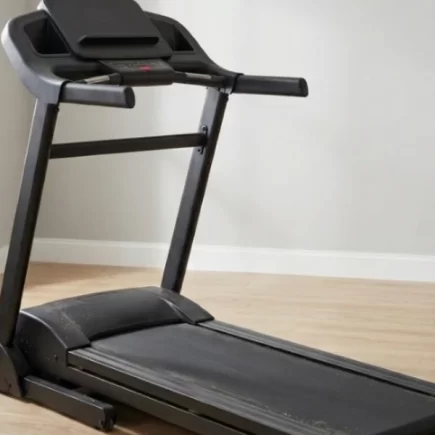










A treadmill makes it easier to stay active, improve fitness, and burn calories without leaving home. However, proper use is essential for both safety and results. From starting the machine correctly to maintaining good walking or running form, small habits can make every workout more effective and comfortable.
Step 1: Get Familiar With the Treadmill Controls
Before stepping on, take a moment to study the console. Knowing where each button is prevents fumbling mid-workout and keeps you safe. Most treadmills share the same core controls:
| Control | Function |
| Power / On Button | Start the machine. |
| Speed Buttons | Increase or decrease belt speed. |
| Incline Buttons | Raise or lower the deck angle. |
| Quick Speed Keys | Jump to preset speeds (e.g., 2, 4, 6 mph). |
| Program Menu | Access built-in workout programs. |
| Display Panel | Shows time, speed, distance, calories. |
| Emergency Stop | Immediately halts the belt. |
Tip: If your treadmill supports Bluetooth or app integration, set it up before your first session. Tracking data from day one makes progress much easier to measure.
Step 2: Get On the Treadmill the Right Way
Never step onto a belt that’s already moving at speed. Always mount from the side rails.
- Stand with one foot on each side rail.
- Start the machine while straddling the belt.
- Let the belt begin at its lowest speed (typically 0.5–1.0 mph).
- Step onto the moving belt one foot at a time.
- Center yourself before increasing speed.
This simple technique prevents ankle rolls and sudden loss of balance, which are the most common beginner mistakes.
Step 3: Start at a Slow, Comfortable Walking Pace
Regardless of your fitness level, always begin with a walk. Jumping straight into a run skips the adjustment period your body needs to sync with a moving surface. Use this table as a guide:
| Fitness Level | Suggested Starting Speed |
| Beginner | 2.0 – 2.5 mph |
| Casual walker | 2.5 – 3.0 mph |
| Active adult | 3.0 – 3.5 mph |
| Experienced runner | 3.5 – 4.0 mph (pre-ramp) |
Step 4: Warm Up for the First Five Minutes
A warm-up isn’t optional; it prepares your joints, muscles, and cardiovascular system for higher intensity. Spend the first five minutes at a pace where you can hold a full conversation without gasping. Here is a simple warm-up protocol:
| Time | Speed | Incline |
| 0:00 – 1:00 | 2.0 mph | 0% |
| 1:00 – 2:30 | 2.5 mph | 0% |
| 2:30 – 4:00 | 3.0 mph | 1% |
| 4:00 – 5:00 | 3.5 mph | 1% |
After five minutes, your heart rate should be elevated but not maxed out. You are ready to work.
Step 5: Walk and Run With Correct Form
Good posture makes every workout more effective and reduces the risk of back, knee, and hip strain. Keep these form points in mind throughout your session:
- Head: Eyes forward, chin level do not look down at the belt.
- Shoulders: Relaxed and back, not hunched toward your ears.
- Arms: Bent at roughly 90 degrees, swinging forward and back (not across your body).
- Core: Lightly engaged throughout, not rigid, but not limp either.
- Feet: Land midfoot, not on the heel, to reduce impact.
- Stride: Keep steps compact and controlled, do not overstride.
Step 6: Adjust Speed the Right Way While Moving
Sudden speed changes can knock you off balance. Always increase or decrease speed in small increments 0.2 to 0.5 mph at a time and allow 15 to 30 seconds at each new speed before going higher. A useful way to self-regulate intensity is the Rate of Perceived Exertion (RPE) scale:
| RPE Level | How It Feels | Speed Range |
| 3 – 4 | Light, easy conversation. | 2.5 – 3.5 mph |
| 5 – 6 | Moderate, slightly breathless. | 3.5 – 5.0 mph |
| 7 – 8 | Hard, full sentences are difficult. | 5.0 – 7.5 mph |
| 9 – 10 | Maximum effort, near sprint. | 7.5+ mph |
Most effective workouts cycle between RPE 5 and 8, with recovery periods at 3 to 4.
Step 7: Use Incline to Increase Workout Intensity
Incline is one of the most underused features on a treadmill. Even a slight angle significantly increases calorie burn and engages your glutes, calves, and hamstrings more effectively than flat walking or running.
| Incline | Effect |
| 0% | Flat surface lowest calorie burn. |
| 1% | Simulates outdoor running (accounts for wind resistance). |
| 3 – 5% | Light hill training, increased glute and calf engagement. |
| 6 – 9% | Moderate hill, great for endurance and power walking. |
| 10 – 15% | Steep climb, very high calorie burn at lower speed. |
Step 8: Use Built-In Programs to Guide Your Workout
Most modern treadmills include professionally designed workout programs that handle speed and incline adjustments for you. These are especially helpful if you are unsure how to structure a session.
| Program Type | What It Does | Best For |
| Fat Burn | Sustained moderate intensity. | Weight loss, endurance. |
| Interval Training | Alternates high and low intensity. | Cardio fitness, calorie burn. |
| Hill Program | Auto-adjusts incline in waves. | Leg strength, outdoor simulation. |
| Heart Rate Control | Adjusts speed to hit a target heart rate. | Aerobic conditioning. |
| Manual | Full user control. | Experienced users with a plan. |
If your treadmill connects to a fitness app, many offer downloadable coached workouts, scenic route simulations, and live classes that make sessions pass faster.
Step 9: Cool Down Gradually
Never stop abruptly after a hard workout. Doing so can cause blood to pool in the legs, trigger dizziness, or spike discomfort. Spend five to six minutes gradually bringing your pace back down before stopping the belt.
| Time | Speed | Incline |
| 0:00 – 1:00 | Drop to 3.5 mph | Reduce incline to 1% |
| 1:00 – 3:00 | 3.0 mph | 0% |
| 3:00 – 5:00 | 2.5 mph | 0% |
| 5:00 – 6:00 | 2.0 mph | 0% |
After stepping off, spend five to ten minutes stretching your calves, hamstrings, hip flexors, and quadriceps the muscle groups that carry the most load during treadmill workouts.
Step 10: Stop the Belt and Get Off Safely
Dismounting is as important as mounting. Follow these steps every time:
- Slow the belt to the lowest speed setting.
- Step one foot onto the side rail, then the other.
- Press Stop and wait for the belt to come to a complete halt.
- Step off from the side, not the back.
Getting off a still-moving belt even at slow speed is a common cause of ankle injuries. Take the extra ten seconds to do it properly.
Troubleshooting Common Issues
| Problem | Likely Cause | Solution |
| Belt slipping or stuttering | Loose or dry belt. | Lubricate with silicone oil; check belt tension. |
| Loud squeaking or grinding | Misaligned belt or dry rollers. | Re-center belt; lubricate rollers. |
| Belt stopping mid-workout | Overheating or key dislodged. | Let the machine cool for 30 minutes; reattach the key. |
| Incline not responding | Motor or calibration issue. | Reset machine; consult manual or support. |
| Error code on display | Varies by model. | Reference the manual for your specific code. |
Final Checklist
Before Every Session:
- Proper athletic shoes tied securely.
- Water bottle within reach.
- Speed set to a low starting point.
- Warm-up planned for the first five minutes.
After Every Session:
- The belt fully stopped before stepping off.
- Console wiped down.
- Workout logged for progress tracking.
Using a Treadmill consistently is less about speed and more about building safe, sustainable habits that fit into daily life. Small adjustments in posture, pacing, and workout structure often make sessions feel smoother and more enjoyable over time. With the right routine, a treadmill can become one of the most reliable tools for long-term fitness and endurance.
FAQs
Treadmills generally use moderate electricity depending on motor size, user weight, workout duration, and incline usage. Walking sessions consume less power than high-speed running workouts, making occasional home use relatively energy manageable.
Good cushioning helps reduce stress on knees, ankles, and hips during repeated walking or running sessions. Softer shock absorption systems are especially helpful for beginners, older adults, and frequent runners.
Regular treadmill workouts gradually improve cardiovascular endurance and breathing efficiency over time. Consistent walking, jogging, or interval sessions help build stamina for daily activities and longer workouts.