




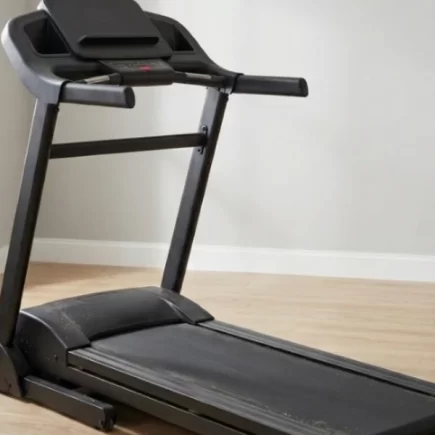








Buying a treadmill is one of the easiest ways to stay active without leaving home. From compact walking pads to full-size running machines, every model offers different features and benefits. Understanding what actually matters before buying can help you choose a treadmill that fits your space, fitness goals, and daily routine more effectively.
1. Motor Power and Performance in Home Treadmills
The motor is the heart of any treadmill. Without the right power, the machine struggles, overheats, and wears out faster than it should.
Motor power is measured in continuous horsepower, or CHP. This number tells you how much power the motor delivers consistently, not just at its peak.
| Use Type | Minimum Motor Power |
| Light walking | 1.5 CHP |
| Daily walking | 2.0 CHP |
| Light jogging | 2.5 CHP |
| Running | 3.0 CHP or more |
For most home users who walk or lightly jog, a 2.0 to 2.5 CHP motor is the sweet spot. It delivers smooth, quiet performance without burning out under regular daily use. A stronger motor also runs quieter, which matters a lot in a home setting.
2. Speed Range and Fitness Level Considerations
Speed range tells you exactly what kind of workouts the treadmill supports. Knowing your fitness goals upfront helps you avoid buying a machine that either tops out too early or offers more than you will ever use.
| Speed Range | Best For |
| 0.5 to 4 MPH | Desk walking, light daily steps. |
| 0.5 to 6 MPH | Walking and light jogging. |
| 0.5 to 10 MPH | Jogging and moderate running. |
| 0.5 to 12 MPH | Running and interval training. |
If your goal is staying active during the workday or hitting a daily step count, a machine that tops out at 4 MPH is perfectly adequate. If you plan to actually run, you need at least 10 MPH to train effectively.
Tip: Buy slightly more speed range than you need today. Fitness goals tend to grow over time, and upgrading a treadmill is far more expensive than choosing the right one from the start.
3. Belt Size and Running Surface for Home Use
The belt is where your body meets the machine. Get this wrong and no amount of motor power or smart features will fix an uncomfortable or unsafe workout experience.
| Activity | Minimum Belt Width | Minimum Belt Length |
| Under-desk walking | 15 inches | 36 inches |
| General walking | 18 inches | 45 inches |
| Jogging | 20 inches | 50 inches |
| Running | 20 inches | 55 inches |
| Tall users (6 ft+) | 20 inches | 60 inches |
A narrower or shorter belt forces you to shorten your natural stride, which affects your posture, comfort, and workout quality over time. Taller users and runners need the most surface area.
4. Space Planning and Treadmill Placement at Home
Even the most compact treadmill needs more floor space than its listed dimensions suggest. Safety clearance around the machine is just as important as the machine’s footprint itself.
| Clearance Area | Recommended Space |
| Behind the treadmill | At least 2 feet. |
| Each side of the treadmill | At least 8 inches. |
| Ceiling height (with incline) | At least 7 to 8 feet. |
Measure your room before you shop, not after. Mark out the full footprint including clearance using tape or chalk so you can visualize the real space commitment.
Also consider whether the treadmill needs to be near a power outlet, whether the floor can handle the weight and vibration, and whether a protective floor mat is needed to prevent surface damage.
5. Folding and Portable Treadmill Designs for Home
One of the most practical decisions in the home treadmill buying process is whether you need a folding model or a fixed one. The answer almost always comes down to how much permanent floor space you can dedicate to the machine.
Folding treadmills lift the running deck upright or fold flat to the ground, dramatically reducing the space the machine takes up when not in use. Flat-fold walking pads can slide under a sofa, tuck under a bed, or lean against a wall.
| Design Type | Best For | Trade-Off |
| Fixed non-folding | Dedicated gym space, frequent runners. | Large permanent footprint. |
| Vertical fold | Spare rooms, moderate use. | Still takes floor space when stored. |
| Flat fold / walking pad | Small apartments, under-desk use. | Lower weight capacity, lower speed. |
Most walking pads and under-desk models include built-in transport wheels, letting one person roll the machine across the room without heavy lifting.
6. Weight Capacity and User Safety Standards
Every treadmill lists a maximum weight capacity, but that number deserves more attention than most buyers give it. The capacity rating affects not just safety but also motor strain, belt wear, and long-term durability.
| Weight Capacity Range | Typical Treadmill Tier |
| 198 to 220 lbs | Basic entry-level walking pads. |
| 220 to 265 lbs | Mid-range walking and jogging models. |
| 265 to 300 lbs | Standard home treadmills. |
| 300 to 400 lbs | Heavy-duty and premium models. |
A good rule of thumb is to choose a treadmill rated for at least 20 to 30 pounds more than your current body weight. This buffer accounts for the dynamic forces generated during walking and jogging, which exceed your static body weight.
7. Noise Levels and Home Environment Compatibility
A treadmill that rattles the walls, wakes up your kids, or drowns out a phone call is not a treadmill you will use consistently. Noise is one of the most overlooked buying factors, and it matters far more at home than it ever would in a commercial gym.
Noise in home treadmills comes from three main sources: the motor, the belt striking the deck, and vibration transferring through the floor.
| Noise Factor | What Reduces It |
| Motor noise | Higher quality motor, proper lubrication. |
| Belt noise | Multi-layer shock absorbing belt construction. |
| Floor vibration | Rubber mat, carpet surface, solid flooring. |
Motorized walking pads with shock-absorbing belt layers are among the quietest home treadmill options available. They are specifically built for shared living spaces, apartment floors, and work-from-home environments where disruption is not an option.
8. Core Safety Features in Home Treadmills
Safety features on a home treadmill are not optional extras. They are the baseline of responsible ownership, especially in homes with children, older adults, or first-time users.
| Safety Feature | Why It Matters |
| Non-slip belt surface | Prevents foot slippage during use. |
| Safety key or lanyard | Cuts power instantly if user falls or steps off. |
| Emergency stop button | Allows immediate manual shutdown. |
| Padded handrails | Provides balance support and reduces fall risk. |
| Shock-absorbing deck | Reduces joint stress during extended use. |
The safety key is one of the most important features to verify before buying any motorized treadmill. It attaches to your clothing and immediately kills the belt if you move too far back or fall. On models without this feature, a stumble can result in serious injury.
Tip: Test the safety key function as soon as your treadmill is set up. Clip it on, start the belt at a low speed, and pull the key to confirm it stops immediately. This one step takes ten seconds and could prevent a serious accident.
9. Display Screens and Workout Progress Tracking
A treadmill display does more than show your speed. It keeps you accountable, helps you hit specific workout targets, and makes the experience feel less like a chore and more like progress.
| Metric Displayed | Why It Helps |
| Speed | Keeps pace consistent and controlled. |
| Time | Helps structure interval and duration goals. |
| Distance | Useful for mileage-based training plans. |
| Calories burned | Motivates weight management goals. |
| Steps | Supports daily step count targets. |
| Heart rate | Monitors workout intensity safely. |
Basic LED displays cover the first four metrics and are standard across most home treadmills. More advanced LCD and touchscreen displays add heart rate monitoring, preset programs, and app connectivity.
10. Incline Options and Training Benefits at Home
Incline is one of the most valuable features on a home treadmill, yet many buyers treat it as an afterthought. Adding even a modest incline to your walking routine dramatically changes the intensity of your workout without requiring higher speeds.
| Incline Level | Calorie Burn Increase vs Flat Walking | Primary Benefit |
| 1 percent | Simulates outdoor running conditions. | Natural stride simulation. |
| 5 percent | Approximately 30 percent more calories. | Glute and hamstring activation. |
| 10 percent | Approximately 50 percent more calories. | Cardio and lower body strength. |
| 15 percent or more | Up to 60 percent more calories. | High intensity training. |
Manual incline adjustment is available on select walking pad models, allowing users to switch between flat and a set incline angle. Motorized incline adjustment, found on more advanced machines, changes the grade automatically during a workout.
11. Build Quality and Long Term Treadmill Durability
A treadmill is not a purchase you want to repeat every two years. Build quality determines whether your machine performs reliably through thousands of hours of use or starts showing wear within the first few months.
| Component | What to Look For |
| Frame material | Powder-coated or galvanized steel. |
| Belt construction | Multi-layer with UV and wear resistance. |
| Deck surface | High-density for smooth, even belt movement. |
| Roller size | Larger rollers reduce belt wear over time. |
| Foot levelers | Adjustable feet keep the machine stable on uneven floors. |
Budget walking pads made from lightweight materials can perform well for daily light walking but are not built to withstand the repeated stress of jogging or heavier users. Investing in a machine with a solid steel frame and quality belt construction pays off significantly over a three to five year ownership period.
12. Remote Control Access and Ease of Use at Home
On low-profile walking pads and under-desk treadmills, the console sits near the ground, making it completely impractical to bend down and adjust settings mid-workout. Remote control solves this problem entirely.
| Control Type | Best Use Case |
| Remote control | Under-desk and flat walking pads. |
| Handlebar console | Standard upright treadmills. |
| Touchscreen display | Premium and smart treadmill models. |
| Smartphone app control | Connected fitness treadmills. |
A remote lets you adjust speed, pause the belt, and check your session without interrupting your stride or your work. For anyone using a treadmill at a standing desk, remote control is not a convenience feature. It is the only practical way to operate the machine.
The right Treadmill should feel easy to use, comfortable to walk or run on, and practical for everyday life at home. A well-matched machine supports consistency, which matters far more than complicated features you may never use. Taking time to compare quality, comfort, and usability now can lead to a far better long-term fitness experience.
FAQs
Both walking and running on a treadmill can support weight loss when done consistently. Walking is easier on the joints and works well for longer sessions, while running burns more calories in less time. The best option depends on your fitness level, comfort, and ability to stay consistent.
Most quality folding treadmills are stable enough for regular walking and light jogging sessions at home. Models with stronger frames, wider running decks, and higher weight capacities usually feel more secure during workouts. Proper assembly and placing the treadmill on a flat surface also improve stability.
Treadmill workouts can help reduce overall body fat, including around the stomach area, when combined with a balanced diet. Consistent walking, jogging, or interval training increases calorie burn and improves cardiovascular fitness. Results usually improve with regular exercise and healthy eating habits.