













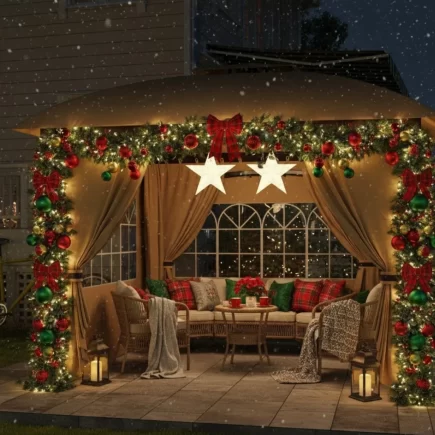

Patio chairs are one of those purchases that seem simple until you are standing in the middle of your outdoor space wondering why the ones you bought feel wrong, wrong size, wrong material, wrong vibe. The truth is, picking the right patio chair takes more thought than most people give it. This blog walks you through every factor that matters, so you make a decision you will be happy with season after season.
1. Material: The Single Most Important Choice You Will Make
The material your patio chair is made from determines almost everything else: how long it lasts, how it weathers, how heavy it is, and how much upkeep you are in for. Here is a quick breakdown of the most common options:
| Material | Durability | Weight | Maintenance | Best For |
| Aluminum | High | Light | Very Low | All climates |
| Steel | High | Heavy | Medium | Covered patios |
| Teak Wood | Very High | Heavy | Low–Medium | Coastal/humid areas |
| Acacia Wood | Medium–High | Medium | Medium | Mild climates |
| Synthetic Wicker | Medium | Light | Low | Sheltered spaces |
| Polypropylene (Plastic) | Medium | Very Light | Very Low | Budget-friendly, casual use |
| Wrought Iron | Very High | Very Heavy | Medium | Permanent setups |
Tips for Choosing Your Material
- If you live in a rainy or coastal area, aluminum or teak are your safest bets marine-grade aluminum or teak handles salt air best, as it is corrosive to lesser materials.
- If the budget is tight, high-quality polypropylene can be surprisingly durable.
- Only use synthetic wicker outdoors natural wicker is not suited for open-air exposure unless your patio is fully covered.
- Steel is strong but needs a quality powder coat to resist rust; touch up any scratches promptly to prevent oxidation.
2. Weather Resistance: Will It Actually Hold Up Where You Live
Not every outdoor chair is built for every climate. A chair marketed as “outdoor” can still warp, fade, or rust within a season if it is not matched to your specific environment.
Ask yourself these questions before buying:
- Do you get heavy rain or snow?
Look for rust-proof frames (aluminum, stainless steel) and quick-dry cushion fabrics
- Is your area hot and sunny?
UV-stabilized materials and fade-resistant finishes are non-negotiable
- Are you near the coast?
Salt air is corrosive marine-grade aluminum or teak handles it best
- Do you store your furniture in the off-season?
If yes, you have more flexibility; if not, durability becomes critical
Pro Tip: Check if the product lists a UV protection rating or mentions powder-coated or anodized finishes. These details are small but make a real difference over time and they are also a reliable sign of overall build quality.
3. Comfort and Ergonomics: What Makes a Chair Worth Sitting In
You can have the most beautiful patio chair in the world and still not want to sit in it for more than ten minutes. Comfort matters especially if you plan to use your outdoor space for long meals, conversations, or relaxing afternoons.
Key Ergonomic Factors to Check
- Seat height: Standard seat height is 17–19 inches from the ground. Too low and getting up is a struggle; too high and your feet dangle.
- Seat depth: 16–18 inches is ideal for most adults. Deeper seats encourage lounging; shallower seats work better for dining.
- Backrest angle: A slight recline (around 5–10 degrees) dramatically improves long-sitting comfort
- Armrest height: Should align roughly with your elbow when your arm is relaxed at your side.
- Lumbar support: Chairs with a slight curve in the lower backrest reduce fatigue significantly.
TIP: If you are buying online and cannot sit in the chair first, read customer reviews specifically for comfort not just appearance.
4. Size and Space: How to Find the Perfect Fit for Your Patio
A chair that is too big can make a small patio feel cramped. A chair that is too small can look lost on a large deck. Getting the proportions right is as important as any other factor.
Standard Patio Chair Dimensions (Approximate)
| Chair Type | Width | Depth | Height |
| Dining Chair | 20–24 in | 20–22 in | 33–36 in (overall) |
| Lounge Chair | 24–30 in | 28–36 in | 36–40 in (overall) |
| Adirondack Chair | 28–32 in | 32–36 in | 36–40 in (overall) |
| Bistro Chair | 18–20 in | 18–20 in | 30–34 in (overall) |
Space Planning Tips
- Allow at least 24 inches between chairs for comfortable movement.
- Leave a minimum of 36 inches of clearance around tables for pulling chairs in and out.
- For a 4-person dining setup, you typically need a patio at least 10 x 10 feet.
- Measure your doorways if you plan to store chairs indoors this is easily overlooked.
5. Chair Type: How to Pick the Right One for Your Lifestyle
The style of chair you need depends on how you actually use your outdoor space.
- Dining Chairs – Ideal for patios centered around meals and entertaining. Pair with a dining table for a cohesive setup.
- Lounge Chairs -Built for relaxation. Great for pool areas, sun-soaking, or slow weekend mornings.
- Adirondack chairs – A classic American outdoor staple. Low, wide, and deeply relaxed in posture – perfect for a lawn or deck with a view.
- Bistro chairs – Compact and stylish, excellent for small balconies or tight patios.
- Rocking Chairs – A wonderful choice for front porches or shaded spots where gentle motion adds to the experience.
- Folding chairs – Versatile and easy to store. Great for households that like to rearrange or host larger gatherings occasionally.
- Stackable chairs – Space-savers by design. Perfect if storage is a concern.
6. Stability and Weight Capacity: The Detail Most Buyers Miss
It is surprisingly easy to overlook the structural specs of a patio chair until one gives out under a guest. Stability and weight capacity are safety considerations, not just comfort ones.
What to Look For
- Most standard patio chairs support 250–300 lbs.
- Heavy-duty options can support 350–500 lbs worth considering for a household with a range of body types.
- Wide bases and four-legged designs are generally more stable than single-post or sled-base options.
- On uneven ground, chairs with adjustable feet or rubber feet caps provide much better stability.
- Rocking or reclining chairs should have locking mechanisms if you have children around.
7. Cushions and Fabric: How to Choose Comfort That Lasts
Cushions are the difference between a chair you sit in and a chair you sink into. But not all outdoor cushion fabrics are created equal.
Top Outdoor Fabric Options
| Fabric | Water Resistance | Fade Resistance | Comfort |
| Polypropylene | High | High | Medium |
| Acrylic | Very High | Excellent | High |
| Polyester | Medium | Medium | High |
| Canvas | Low–Medium | Medium | High |
Cushion Tips
- Look for cushions with removable, washable covers this extends their life considerably.
- Foam density matters: high-density foam (1.8 lb/ft³ or higher) holds its shape better over time.
- Outdoor cushions should have drainage holes if they will be exposed to rain.
- Store cushions indoors during heavy rain or winter months to maximize their lifespan and moisture accelerates foam breakdown.
8. Style and Aesthetics: Finding Chairs That Feel Right at Home
Patio chairs are part of your home’s visual story, even when they are outside. The right style choice ties your outdoor space together rather than making it feel like an afterthought.
Popular Outdoor Styles and What They Pair Well With
- Modern/Minimalist – Clean lines, neutral tones, aluminum or steel frames. Works well with concrete, tile, or sleek wood decks.
- Rustic/Farmhouse – Natural wood, distressed finishes, warm tones. Best with wood decks, brick, or gravel.
- Coastal/Bohemian – Synthetic wicker or rattan, light fabrics, natural textures. Pairs beautifully with a poolside or garden patio.
- Traditional/Classic – Wrought iron or teak with rich upholstery. Ideal for formal garden settings.
- Industrial – Steel frames, raw finishes, neutral palettes. Works well in urban rooftop or concrete settings.
Match your outdoor furniture style to your home’s exterior architecture for a cohesive, intentional look.
9. Build Quality: How to Spot a Patio Chair That Will Last
The difference between a chair that lasts two seasons and one that lasts a decade often comes down to details you can assess before you buy.
Signs of Quality Construction
- Welded joints rather than bolted or screwed connections (stronger and less likely to loosen)
- Powder-coated or anodized finishes on metal frames (not just painted)
- Mortise-and-tenon or dowel joinery on wood chairs (indicates traditional craftsmanship)
- Consistent stitching on cushion covers with no loose threads
- Thick-gauge metal 2mm or more on steel and aluminum frames is a good sign
- Brand reputation and warranty look for at least a 1-year warranty as a minimum standard
Choosing the right Patio Chair is a balance of style, comfort, and practicality. By carefully considering material durability, weather resistance, and ergonomics, you can ensure your chairs not only look great but also stand up to the elements and provide long-lasting comfort. Taking the time to select the right size and style to match your outdoor space will enhance your enjoyment for years to come.
FAQs
To clean patio chairs effectively, start by wiping down the surfaces with a damp cloth to remove dirt. For tougher stains, use a mild detergent mixed with water and a soft brush. Rinse thoroughly and let the chairs air dry to prevent mold and mildew.
It’s not recommended to leave patio chairs outside during winter, especially if they are not weatherproof. Freezing temperatures can damage materials like wood, metal, or fabric. Storing them in a shed or covering them with a waterproof tarp is ideal for longevity.
Yes, adding cushions to patio chairs can enhance comfort and style. Make sure to choose cushions made from weather-resistant fabrics to withstand outdoor conditions. Consider storing them indoors during rainy or snowy weather to maintain their quality.