


























If your room feels unfinished or your layout just doesn’t come together, the problem might not be your furniture choices, it could be where you’ve placed them. Accent chairs are one of the most versatile pieces you can bring into a home. They add personality, create conversation zones, and make rooms feel deliberately designed. Knowing where to put one changes everything.
The Core Rules for Accent Chair Placement
Before diving into specific rooms, start with these foundational placement tips that interior designers consistently rely on.
| Rule | Why It Matters |
| Angle the chair toward conversation | Parallel placement looks stiff; angled feels natural and inviting |
| Respect your traffic flow | Chairs that block pathways create frustration, not comfort |
| Stay on or near the area rug | Keeps the chair visually tied to the rest of the seating |
| Match scale to the room | An oversized chair overwhelms; a tiny chair in a large room disappears |
| Use a side table beside it | Completes the vignette and makes the spot actually functional |
| Consider lighting nearby | A chair without good lighting nearby rarely gets used |
Best Places to Put an Accent Chair
1. In the Living Room Corner: Making Dead Space Work
Corners are the most underused real estate in any home. Place an accent chair diagonally not flush against both walls and layer in a floor lamp and small side table to create an instant vignette that draws the eye and adds depth.
Benefits:
- Transforms wasted negative space into a purposeful design moment
- Provides additional seating without eating into the room’s open floor space
- Adds warmth and visual complexity with minimal effort or cost
Best for: Living rooms with unused corners and spaces that feel sparse or visually unbalanced.
2. Beside the Fireplace: Framing Your Room’s Focal Point
A fireplace is naturally the room’s focal point, and furniture should honor it. Position an accent chair at a slight angle so it faces both the fire and the rest of the seating area. Keep at least 36 inches between the chair and the fire opening and avoid heat-sensitive fabrics nearby.
Benefits:
- Honors the fireplace as the room’s focal point rather than competing with it
- Creates a natural cozy spot that feels separate from the main sofa area
- Draws seating closer to the fire in a way that feels considered, not crowded
Best for: Living rooms with a working or decorative fireplace and traditional or transitional design styles.
3. Near a Window: Building a Cozy Reading Spot
A single accent chair pulled close to a window with good natural light creates one of the most inviting spots in any home. Face the chair slightly away from the window so light falls over your reading shoulder rather than directly into your eyes.
| Light Direction | Best Chair Orientation |
| East-facing window | Morning reading nook; face chair inward toward the room |
| West-facing window | Afternoon light; add a light-filtering sheer curtain |
| North-facing window | Softer, consistent light; ideal for reading all day |
| South-facing window | Brightest exposure; pair with UV-protective window treatment |
Benefits:
- Uses natural light as a free functional and design asset
- Makes the window feel like a deliberate architectural feature rather than just a wall opening
- Creates a dedicated reading retreat without requiring extra room
Best for: Bedrooms and living rooms with strong natural light, and anyone who loves reading near daylight.
4. Facing the TV: Using an Accent Chair as Extra Seating
Position the chair at roughly the same viewing distance as your sofa. Avoid pushing it to a sharp side angle; viewers seated at an extreme angle experience neck strain and rarely use that chair again.
Benefits:
- Adds flexible seating for guests without requiring a second full sofa
- Gives household members a slightly different vantage point from the main sofa
- Keeps the room feeling considered rather than over-furnished
Best for: Family rooms and media rooms that regularly host groups for movie nights or gatherings.
5. At the Foot of the Bed: A Simple Bedroom Upgrade
An accent chair at the foot of the bed is a hotel-inspired move that adds a polished, finished look to any bedroom. It also provides a genuine daily function: a place to sit while putting on shoes, or a spot to set clothing out the night before without cluttering the rest of the room.
| Bed Size | Chair Size Recommendation |
| Twin / Full | Skip foot placement; use a corner chair instead |
| Queen | One narrow accent chair (maximum 28 inches wide) |
| King | One generous accent chair or a small bench-style piece |
Benefits:
- Layers the bedroom in a way that reads as professionally finished
- Adds practical daily function to a space that can otherwise feel purely decorative
- Creates visual interest at the foot of the bed, an area often left flat and unaddressed
Best for: Master bedrooms and guest rooms with queen or king beds, and anyone wanting a boutique hotel feel at home.
6. In the Bedroom Corner: Creating a Relaxing Nook
While a window chair is purpose-built for reading in daylight, a bedroom corner chair serves a different role: it becomes a private decompression zone that’s usable day or night, independent of light conditions. A plush accent chair, a floor lamp, and a small side table in an unused corner give you somewhere to journal, take calls, or simply sit away from the bed without leaving the room. Armless slipper chairs and compact tub chairs work particularly well in tighter bedroom corners where scale is critical.
Benefits:
- Creates a second meaningful purpose for the bedroom beyond sleeping
- Provides a place to unwind that supports healthier sleep habits by keeping screens and stress away from the bed
- Works in any light condition, making it more versatile than a window placement
Best for: Master bedrooms with unused corner space and anyone wanting a quiet personal retreat within their own room.
7. In the Entryway: Making a Strong First Impression
Even a slender accent chair beside a console table or beneath a mirror creates an immediate sense of hospitality the moment someone walks through your door. Choose durable, easy-to-clean upholstery since entryway chairs see more daily traffic than chairs anywhere else in the home.
Benefits:
- Creates a warm, intentional first impression for every person who enters
- Provides genuine function a spot to sit while removing shoes or setting down bags
- Anchors entryway elements like mirrors and console tables into a cohesive composition
Best for: Entryways wider than 5 feet and homes that frequently welcome guests.
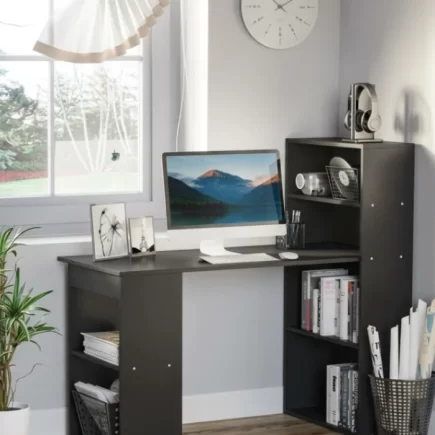
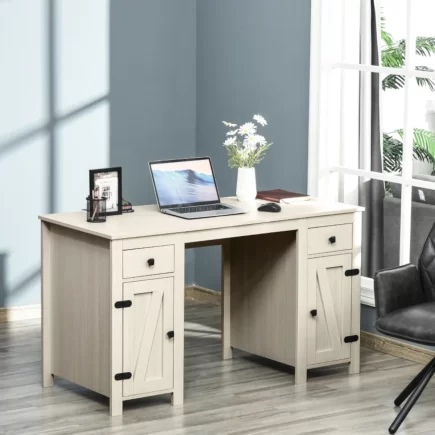
8. In the Home Office: Finding the Right Spot to Place It
A home office accent chair is a secondary seat for reading documents, taking calls, or thinking away from the screen. Place it in a corner or beside a bookshelf, far enough from the desk that sitting in it genuinely feels like a different mental mode.
Benefits:
- Provides two distinct working modes within the same room
- Makes the home office feel less clinical and more inviting to spend time in
- Breaks up the visual weight of a desk-heavy layout with a softer element
Best for: Remote workers and anyone who wants to separate focused screen work from reading or creative thinking within the same room.
Final Placement Checklist
Before settling on a final location, make sure your chosen spot meets these criteria:
- Chair size is proportional to the room and surrounding furniture
- The chair is angled toward a focal point, not toward a blank wall
- At least 18 inches of walkable clearance exists on each side
- A light source is available nearby to make the spot usable
- A side table within arm’s reach makes the location genuinely functional
- Traffic flow moves naturally around the chair rather than awkwardly past it
- The upholstery color and texture complement the existing room palette
- The chair sits on or near the area rug to stay visually connected to the seating group
- The placement serves both a clear aesthetic and a practical daily purpose
The impact of an Accent Chair is determined less by style and more by context. Its distance from focal points, proximity to light, and relationship to rugs and pathways all influence how often it’s used. Smart placement creates comfort without disrupting flow. Balance is the real design goal.
FAQs
Accent chairs do not strictly require a side table, but adding one makes the seating area more functional. A nearby surface provides space for drinks, books, or devices. Without it, the chair may feel decorative rather than practical for daily use.
An accent chair is primarily chosen for visual impact and to complement a room’s design. An armchair focuses more on comfort and support for regular lounging. Some pieces combine both, but accent chairs often emphasize style first.
Yes, accent chairs can be different colors as long as they fit within the room’s overall palette. Coordinating tones or repeating a shared texture keeps the look cohesive. Thoughtful contrast can add depth without disrupting balance.