








Choosing the perfect outdoor umbrella can be trickier than it seems, especially when you’re facing the sun and unsure where to start. While both cantilever and regular patio umbrellas provide shade, they each do so in unique ways. Understanding these differences will save you time, money, and valuable outdoor space.
Comparing Regular and Cantilever Umbrellas for Your Outdoors
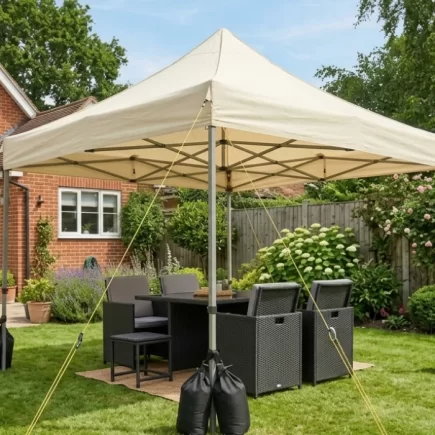
A regular patio umbrella is a classic choice with a center pole that fits into a weighted base or patio table hole. Ideal for traditional outdoor spaces, it works best over tables or seating areas.
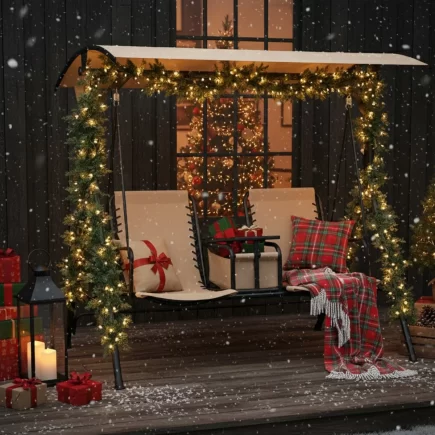
A cantilever umbrella, or offset umbrella, uses a side pole and horizontal arm to position the canopy overhead without a center pole blocking the space. This design provides unobstructed access to the shaded area below. With a heavier, more stable base, cantilever umbrellas offer flexibility and are ideal for open-space coverage.
Core Differences Between Both Umbrella Types
Here is a quick breakdown of the key differences between the two types:
| Feature | Regular Umbrella | Cantilever Umbrella |
| Pole Position | Center | Side offset |
| Base Type | Freestanding or table-mounted | Weighted cross-base |
| Shade Style | Fixed overhead | Adjustable overhead |
| Rotation | Limited | 360 degrees on most models |
| Best For | Dining tables, small spaces | Lounges, pools, open decks |
| Setup Complexity | Easy | Moderate |
Regular umbrellas are simpler and more affordable. Cantilever umbrellas offer greater shade control but come at a higher cost. That tradeoff, matched to the right space, is what the rest of this guide is about.
Best Umbrella for Patio, Deck, Pool, or Balcony
Your outdoor space layout should drive this decision more than anything else. Here is what works best for each setup:
- Patio dining table: A regular center-pole umbrella fits perfectly through the table hole and keeps things tidy.
- Open deck or lounge area: A cantilever umbrella is the better fit since it shades seating without requiring a hole in your furniture.
- Poolside: A cantilever can rotate to follow the sun all day without you needing to move the furniture around it.
- Small apartment balcony: A compact regular umbrella is lighter, easier to manage, and takes up less space.
Wind and Storm Resistance: A Direct Comparison
Wind performance is one of the biggest concerns for homeowners, especially in coastal states. Regular umbrellas with a solid center pole tend to be more stable in moderate wind because the pole goes straight into the ground or table. Cantilever umbrellas have a longer arm that can act like a lever, catching more wind force.
That said, a well-designed cantilever with a heavy base and a vented canopy can handle wind just as well. Look for these features when shopping:
- Vented double canopy to allow wind to pass through.
- Base weight of at least 100 lbs for a cantilever model.
- Aluminum or powder-coated steel frames rated for wind resistance.
- A locking mechanism that keeps the canopy angle fixed in a breeze.
Always close and secure your umbrella when wind exceeds 20 mph, regardless of the type.
Ease of Use: Tilting and Repositioning Compared
Regular umbrellas typically offer a crank lift and a push-button or collar tilt that lets you angle the canopy in one direction. It is quick and simple but limited in range. Most regular models tilt to one side only, which means you have to physically turn the base to reposition the shade.
Cantilever umbrellas are built for movement. Most models offer:
- 360-degree rotation around the base pole.
- Multi-angle tilt that moves in multiple directions.
- Easy crank or pulley systems for raising and lowering.
- Locking positions to hold shade exactly where you need it.
For households that spend long hours outside and need the shade to follow the sun, a cantilever makes the outdoor experience noticeably better.
Best Frame and Fabric Materials for Lasting Shade
The frame and fabric you choose directly affect how long your umbrella lasts, especially in tough climates.
Frame Materials:
- Aluminum: Lightweight, rust-resistant, best for coastal or humid areas.
- Steel: Strong and affordable but can rust over time without powder coating.
- Wood (teak or eucalyptus): Beautiful and classic but needs regular sealing.
Fabric Options:
- Sunbrella: The gold standard for outdoor fabric, fade-resistant, water-resistant, and UV-rated for years of use.
- Olefin: Budget-friendly and decent durability, a solid mid-range pick.
- Polyester: Most affordable but fades faster in direct sun.
Stability on Concrete, Grass, and Deck Surfaces
Surface type affects how stable each umbrella will be. Here is what to expect on common outdoor surfaces:
| Surface | Regular Umbrella | Cantilever Umbrella |
| Concrete patio | Stable with weighted base. | Needs heavy cross-base or bolt-down. |
| Grass or soil | Can tip without a deep base. | Less stable, needs extra weight. |
| Wood deck | Works with a freestanding base. | Needs a wide base footprint. |
| Pavers | Stable with flat-base design. | Works well with even surfaces. |
For grass or uneven ground, always add extra base weight or use a ground anchor kit to prevent tipping. The base on a regular umbrella can be filled with sand or water for added stability on softer surfaces.
Assembly and Setup Difficulty for Each Type
Regular umbrellas are almost always a one-person job. Most come partially assembled and simply require inserting the pole into the base and opening the canopy, with a typical setup time under 15 minutes.
Cantilever umbrellas take more effort. The cross-base needs to be weighted, the arm attached, and the canopy secured and adjusted. Most models recommend two people for safe assembly. Budget about 30 to 45 minutes for a first-time setup. Once assembled, though, most people leave them in place for the season.
Off-Season Storage for Each Umbrella Type
When fall arrives and temperatures drop, proper storage protects your investment. Here is a simple off-season checklist for both types:
- Clean the canopy with mild soap and water before storing.
- Allow the fabric to dry completely to prevent mold and mildew.
- Remove the canopy from the frame if possible and store it flat or rolled.
- Store the frame in a dry garage, shed, or covered area.
- Use a protective cover if leaving the frame outside in mild winter climates.
- For cantilever models, disassemble the arm and base to save space.
A fitted umbrella storage bag is one of the best small investments you can make to extend the life of either umbrella type.
Both regular and Cantilever Umbrellas have their unique benefits. Regular umbrellas are perfect for smaller spaces and dining tables, offering simplicity and cost-effectiveness. Cantilever umbrellas, on the other hand, are ideal for larger areas, providing flexible shade with easy adjustments throughout the day.
FAQs
Yes, a cantilever umbrella can be used on a small patio, as its side pole design allows for more flexible placement, providing shade without blocking seating areas. However, ensure the base is weighted enough to maintain stability in windy conditions.
Cantilever umbrellas typically last between 5 to 15 years, depending on the quality of materials and maintenance. Regular cleaning and protection from harsh weather can extend their lifespan significantly.
A regular umbrella usually lasts 3 to 7 years, with its lifespan influenced by factors such as the material, usage frequency, and exposure to the elements. Proper care, including storing it when not in use, can help extend its life.