



















Chicken feeders may appear clean at a glance, yet feed dust, oils, moisture, and droppings often build up in hidden areas. This residue creates conditions that allow bacteria, mould, and pests to develop. Over time, contaminated feeding equipment can interfere with digestion, reduce feed intake, and increase the risk of illness within the flock. Maintaining a consistent cleaning routine helps keep feed fresh and limits exposure to harmful contaminants.
Health Risks Linked to Dirty Feeders
Unclean feeding equipment affects more than appearance; it directly impacts bird health and feed quality.
- Bacterial contamination: Pathogens such as salmonella can survive on damp feed residue and spread through shared feeding surfaces.
- Parasitic exposure: Certain parasites thrive in moist, dirty environments and can enter the digestive system through contaminated feed.
- Digestive disruption: Spoiled or mouldy feed may reduce appetite and interfere with nutrient absorption.
- Increased pest exposure: Accumulated feed residue attracts rodents and insects, increasing contamination risk.
Preventing these problems begins with proper cleaning rather than reactive treatment.
Supplies Needed for Thorough Feeder Cleaning
Preparing tools in advance allows cleaning to be done efficiently and thoroughly.
Cleaning Tools
| Item | Purpose |
| Bucket or Large tub | Soaking feeder components |
| Stiff-bristle brush | Removing hardened feed deposits |
| Old toothbrush | Cleaning feed ports, seams, and corners |
| Microfiber cloths | Wiping surfaces without leaving lint |
| Rubber gloves | Hand protection and improved grip |
| Dry towels or cloths | Moisture removal before air drying |
Safe Cleaning Products
| Product | Use |
| Mild dish soap | Removing grease and feed oils |
| White vinegar solution | Sanitising and deodorising |
| Poultry-safe disinfectant | Reducing bacterial presence |
| Baking soda | Neutralising odours |
Step-by-Step Guide to Deep Cleaning Chicken Feeders
Step 1: Disassemble the Feeder
Separating components allows access to areas where buildup commonly forms.
- Remove the lid
- Separate the hopper from the base
- Detach removable feed ports or inserts
- Lay components out so all surfaces are exposed
Step 2: Remove Loose Feed and Dry Debris
Clearing dry material first prevents residue from turning into sticky buildup.
- Shake each component over a bin
- Brush away crumbs and dust
- Check tray edges and feed openings
Step 3: Soak to Loosen Residue
Soaking softens hardened feed and oily deposits.
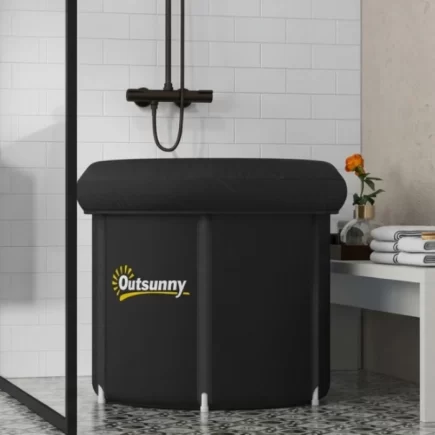
- Fill a tub with hot water and mild soap
- Submerge all plastic or metal parts
- Leave soaking for 15–20 minutes
Step 4: Scrub All Surfaces
Scrubbing removes remaining deposits after soaking.
- Use a stiff brush on flat surfaces
- Use a toothbrush for seams and feed ports
- Clean inner walls, joints, and tray rims
If residue remains, repeat soaking rather than applying excessive force.
Step 5: Sanitise the Components
Sanitising reduces bacterial presence beyond visible cleaning.
Choose one method only:
- Vinegar solution (1 part vinegar to 2 parts warm water)
- Poultry-safe disinfectant (used as directed)
- Apply for 5–10 minutes
- Never mix cleaning products
Step 6: Rinse Thoroughly
Any remaining cleaner can contaminate fresh feed.
- Rinse each piece under clean running water
- Check feed openings for trapped liquid
- Confirm no cleaning scent remains
Step 7: Dry Completely
Drying prevents mold growth and feeds spoilage.
- Wipe surfaces with microfiber cloths
- Place parts upside down on a towel or rack
- Allow full air circulation
Reassemble only once all components are fully dry.
Step 8: Reassemble and Inspect
Final inspection ensures proper function.
- Secure all parts
- Confirm the hopper sits flat
- Check that feed flows freely
- Inspect for cracks or warping
Replace damaged components before refilling.
Maintenance Schedule
Regular upkeep keeps feeders functional without frequent deep cleaning.
| Task | Frequency | Purpose |
| Visual inspection | Daily | Identify moisture or contamination |
| Light cleaning | Every 1–2 weeks | Prevent buildup |
| Full sanitisation | Every 1–2 months | Reduce bacterial load |
Adjust frequency based on weather conditions, flock size, and feeder design.
Common Feeding Equipment Issues
Feed Clogging
- Caused by compacted or damp feed
- Prevented by keeping feeders dry and clean
- Store feed in sealed containers
Feed Spoilage
- Occurs when moisture remains inside hoppers
- Increase inspection during humid conditions
- Use feeder designs that limit water exposure
Storage After Cleaning
When feeders are not in use:
- Store in a dry, well-ventilated area
- Keep off the ground
- Cover to protect from dust and pests
Proper storage prevents contamination between uses.
Keeping feeding equipment clean is a simple habit that delivers long-term benefits across flock health, performance, and feed efficiency. When feeders are cared for regularly, problems are prevented before they affect growth or productivity. Small actions like proper drying, inspection, and storage help maintain a stable feeding environment. Over time, this consistency supports stronger birds, steadier output, and fewer avoidable health setbacks.
If you’re looking to enhance your flock’s feeding efficiency with reliable, easy-to-maintain equipment, find a chicken feeder at Aosom to find the ideal solution for your needs.
FAQs
1. What is the best type of chicken feeder for small flocks?
For small flocks, a hanging or gravity-fed feeder works well. These types offer easy access to feed while minimizing waste. They are compact and help reduce spillage, making them ideal for smaller groups of chickens.
2. What size chicken feeder do I need for 10 chickens?
For 10 chickens, a feeder with a capacity of at least 10-15 pounds is recommended. This ensures that your chickens have enough feed without frequent refilling. Adjustable or large capacity feeders can also work well for accommodating growing flocks.
3. Are plastic or metal feeders better for chickens?
Metal feeders are generally more durable and long-lasting compared to plastic, which can wear over time. However, plastic feeders are lighter and easier to move, making them a good option for small or mobile setups. Consider your flock size and weather conditions when choosing.
4. What are the benefits of an automatic chicken feeder?
Automatic feeders offer convenience and consistency, ensuring your chickens are fed regularly, even when you’re not around. They help reduce feed waste and contamination, as the feed is protected and dispensed only when needed, keeping it fresh.
5. Why is my chicken feeder attracting ants?
Ants are often attracted to chicken feeders because of leftover food or spilled grains. To prevent this, regularly clean your feeder and ensure no feed is left outside. Using an ant-proof feeder with a design that prevents access to pests can help eliminate the problem.