













If your pregnant dog seems restless or refuses to settle in her whelping box, the problem may not be the box itself, it’s often the location. Dogs are den animals by nature, and they require the right setting to feel secure while giving birth and caring for newborn puppies. Learning the core placement rules will help you choose the safest, warmest, and most mother-friendly spot in your home.

The Core Rules for Proper Whelping Box Placement
Before exploring room-specific locations, start with the universal placement guidelines recommended by veterinarians and canine reproduction specialists.
| Rule | Why It Matters |
| Set up 1-2 weeks before due date | Allows mother to familiarize herself with the space |
| Maintain stable temperature (75-80°F) initially | Newborn puppies cannot regulate body temperature |
| Keep away from drafts and air vents | Prevents chilling and respiratory issues in puppies |
| Avoid loud appliances and high-traffic areas | Reduces stress that can interfere with labor |
| Ensure easy access for monitoring | Allows you to observe labor and intervene if needed |
| Choose easy-to-clean flooring | Simplifies cleanup during and after whelping |
| Keep away from other pets and children | Prevents disturbance and protects vulnerable puppies |
Best Places to Put a Whelping Box (Room-By-Room Guide)
1) Master Bedroom or Spare Bedroom
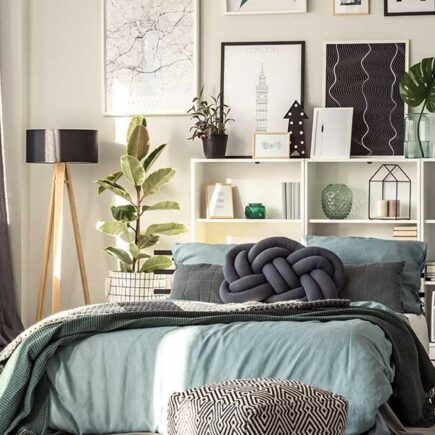
Bedrooms offer the perfect combination of quiet, climate control, and accessibility for nighttime monitoring. The familiar scent and your presence help anxious first-time mothers feel more confident during labor.
Benefits:
- Climate-controlled comfort: Bedrooms maintain steady temperatures, which is critical for newborn puppy survival during the first vulnerable weeks.
- Nighttime accessibility: You can easily monitor labor progress, listen for distress signals, and provide immediate assistance without leaving your sleeping area.
Perfect for: First-time mothers, nervous or anxious dogs, breeds requiring close monitoring, and owners who want hands-on involvement during whelping.
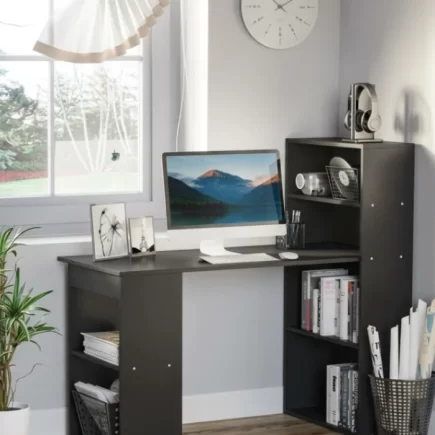
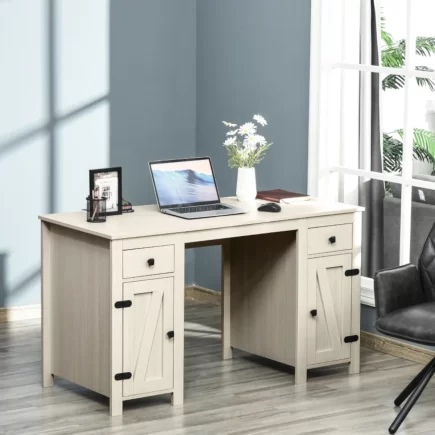
2) Home Office or Study
A home office provides a controlled, quiet environment during the day while allowing you to work nearby. The predictable routine and stable conditions make this room ideal for experienced mothers.
Benefits:
- Constant supervision during work hours: You can observe the mother and puppies while working, catching early signs of complications or distress without dedicated monitoring time.
- Stable climate and lighting: Offices typically maintain even temperatures and light conditions, creating a stress-free environment that supports healthy puppy development.
- Low household disruption: Keeps whelping activities separate from main living areas, allowing normal family routines to continue without disturbing the mother.
Perfect for: Work-from-home owners, experienced mothers, single-dog households, and breeders who need daytime supervision.
3) Utility Room or Laundry Room
Utility rooms offer practical advantages with easy-to-clean surfaces and separation from main living spaces. However, appliance noise must be carefully managed to avoid startling the mother during labor.
Benefits:
- Easy cleanup and maintenance: Tile or vinyl flooring handles fluids, blood, and mess without staining, and allows quick sanitizing between cleanings.
- Semi-private environment: The separated location provides privacy while keeping the family accessible, which helps mothers feel secure without total isolation.
Perfect for: Experienced mothers, large breed dogs, households prioritizing easy cleanup, and homes with quiet utility rooms.
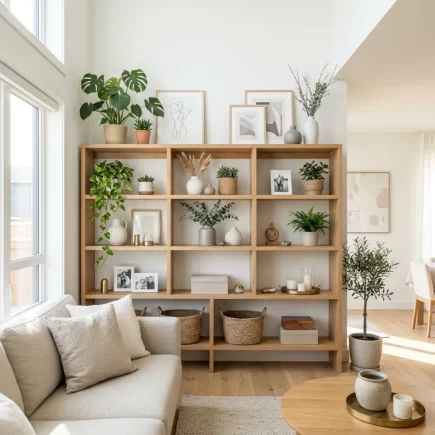
4) Quiet Corner of Living Room or Family Room
A living room corner can work well in smaller homes or apartments, especially when screened off with baby gates or room dividers. This placement keeps the mother included in household activity while maintaining boundaries.
Benefits:
- Improved Control Over Lighting: In a family room, you have full control over the lighting, which can be adjusted to help create a soothing, dim environment to ease the mother’s stress during labor.
- Mother feels included: Social dogs appreciate staying near family activity, which reduces anxiety and promotes relaxation during the stressful whelping period.
Perfect for: Social or anxious mothers, apartment living, experienced breeders comfortable with shared spaces, and dogs who dislike isolation.
5) Spare Bathroom (with adequate ventilation and space)
If you have a large, unused bathroom with proper ventilation and a stable temperature, it can serve as a practical and clean location for whelping.
Benefits:
- Privacy with access: While it’s more isolated, bathrooms allow easy access for monitoring and intervention if necessary.
- Easy to sanitize: Bathrooms have easy-to-clean surfaces, and any mess can be wiped down quickly.
Perfect for: Small to medium breeds, smaller homes, and homeowners who want a quiet and clean environment for whelping.
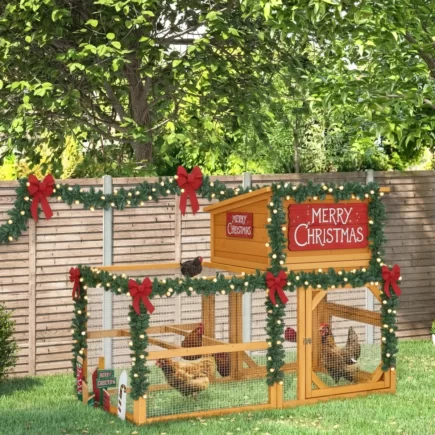
6) Covered Outdoor Kennel
A covered outdoor kennel with side panels and a roof can offer privacy and protection from weather while still allowing the mother to remain outside in a natural environment.
Benefits:
- Protection from the elements: The roof and walls provide shelter from rain, wind, and extreme sunlight, ensuring the mother and puppies are safe.
- Breathable space: Allows fresh air circulation, which is essential for the puppies’ health and the mother’s comfort.
Perfect for: Social breeds or experienced mothers who are used to outdoor environments, and owners who want the dog to have access to fresh air while maintaining security.
Places You Should Avoid
Even the best whelping box won’t work if it’s placed in the wrong environment. Dogs rely on safety, temperature stability, quiet surroundings, and accessible monitoring. The following locations consistently create stress, health risks, or emergency complications.
- Garage
Exposes puppies to dangerous temperature extremes, toxic fumes from vehicles, and unpredictable noise.
- Kitchen or Dining Area
Food preparation areas create hygiene concerns, and kitchen activity disrupts the mother’s need for quiet. - High-Traffic Hallways or Entryways
Constant foot traffic, door noise, and lack of privacy create ongoing stress that can complicate labor. - Near Exterior Doors
Temperature fluctuations from opening doors and draft exposure threaten puppy health. - Rooms with Difficult-to-Clean Carpet
Whelping is extremely messy with blood, fluids, and waste. Carpeted rooms absorb odors and stains, creating hygiene problems.
A well-chosen Dog Whelping Box location is essential for both the mother’s comfort and the puppies’ safety. By keeping the area quiet, temperature-controlled, and free of distractions, you’ll create a secure environment that promotes a smoother labor process. Avoiding high-traffic or noisy spaces will reduce stress and complications during birth.
FAQs
1. What is the ideal size for a whelping box?
The ideal size for a whelping box depends on the size of the dog breed. For small breeds, a 24” x 24” box is sufficient, while larger breeds may need a box of at least 36” x 48”. The box should allow the mother to move comfortably but not be so large that she can’t easily keep the puppies close.
2. How to keep the whelping box warm?
To keep the whelping box warm, place it in a room that maintains a steady temperature of 75-80°F. You can use a heating pad or heat lamp under one side of the box, ensuring the puppies have a cool area to move to if they get too warm.
3. How to help my dog adjust to the whelping box?
Introduce your dog to the whelping box a couple of weeks before labor by placing her in it regularly. Add familiar bedding, like her favorite blankets, to make the space feel secure. Keep the area calm and quiet to encourage her to settle in comfortably.