






























If your home feels disorganized, noisy, or just too open, the solution might not be a renovation, it could be something much simpler. Room dividers are one of the most underrated tools in interior design. They define spaces, create privacy, reduce noise, and add structure to areas that feel incomplete. Place one in the right spot, and it completely changes the feel of your home.
The Core Rules for Room Divider Placement
Before diving into specific rooms, it’s important to understand the universal principles that interior designers use when positioning dividers. These principles apply regardless of the size or style of your home.
| Rule | Why It Matters |
| Choose the right height for your purpose | Taller panels give full privacy; shorter ones define areas without closing off the room |
| Allow adequate clearance on both sides | Leave at least 30–60 cm of space so the divider does not feel cramped or obstructive |
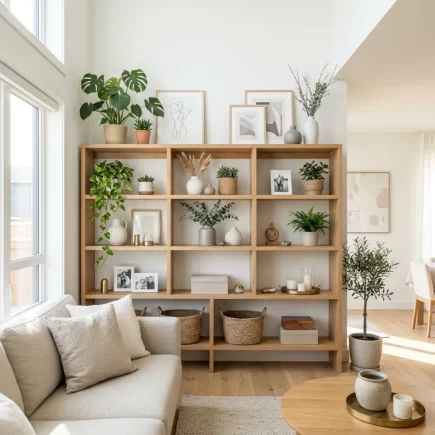
| Anchor it visually with furniture | Pairing a divider with a sofa, rug, or shelving unit makes it look intentional and grounded |
| Consider your light sources carefully | Avoid blocking natural light; use slatted or open-weave styles in darker rooms |
| Match materials and finishes to your décor | Rattan suits bohemian spaces; lacquered wood suits modern or Japandi interiors |
| Think about traffic flow | A divider should guide movement naturally, not obstruct it |
| Prioritise stability and safety | Ensure folding screens are properly balanced, especially in homes with young children or pets |
| Measure your space before purchasing | An oversized divider in a small room creates clutter; an undersized one lacks impact |
Best Places to Put a Room Divider
1. Along the Centre of a Shared Bedroom
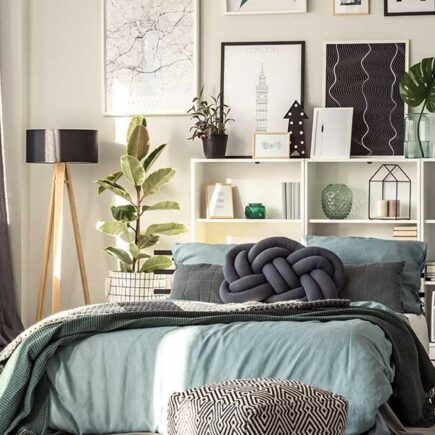
Sharing a bedroom with a sibling, roommate, or partner who has very different routines is much more comfortable when each person has their own clearly defined space. A room divider running down the center of the room creates two distinct areas without the permanence or cost of a partition wall.
Benefits:
- Provides each person with a private area for sleeping, dressing, and storing belongings
- Reduces conflict in shared spaces by establishing clear boundaries
- Allows for different décor styles on each side without clashing
- Helps with noise and light, especially when one person works late or wakes early
- Makes a shared room feel more personal and less like a dorm room
Best for: Children sharing a bedroom, young adults in house shares, and couples with differing schedules.
| Room Size | Recommended Divider Length | Suggested Height |
| Small (under 10 sq m) | 120–150 cm | 150–160 cm |
| Medium (10–15 sq m) | 150–180 cm | 170–180 cm |
| Large (over 15 sq m) | 180–240 cm | 180–200 cm |
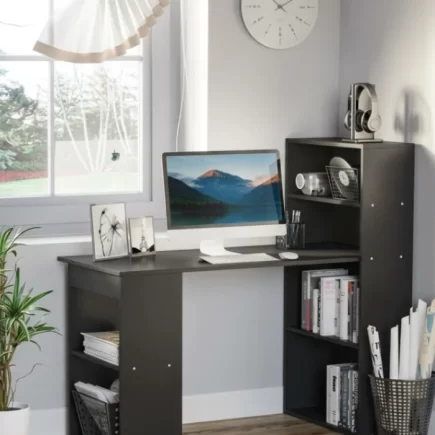
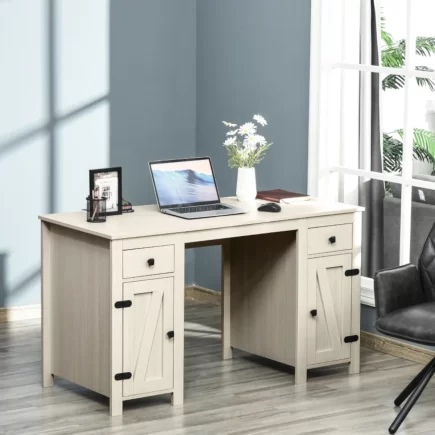
2. Around Your Home Office Desk to Block Out Distractions
Working from home has become a permanent reality for millions of people, and one of its biggest challenges is staying focused. Surrounding your desk with a room divider, even just on two or three sides, creates a contained workspace that signals to your brain it’s time to concentrate.
Benefits:
- Creates a physical and psychological separation between work and relaxation
- Reduces visual distractions from the rest of the room
- Makes home offices in shared spaces feel more professional
- Provides a tidy and thoughtful backdrop during video meetings
Design Tip: Use a three-panel folding screen arranged in a loose U-shape around your desk for maximum enclosure. This works especially well in living rooms, where you want to fully separate the work area from the leisure area at the end of the day.
3. Near the Front Door to Separate the Entryway From the Main Living Space
Many homes, especially townhouses and apartments, open directly into the living room with no hallway to speak of. This can feel exposed and drafty, and it also means guests immediately see the entire interior the moment the door opens. A room divider placed just inside the entrance elegantly solves this issue.
Benefits:
- Creates a transition area between outside and inside
- Provides a visual barrier from the street when the door is open
- Reduces draughts and heat loss near the front door
- Gives you a defined spot to hang coats, store shoes, and drop bags
- Makes the home feel more private and thoughtfully arranged
Design Tip: Combine your room divider with a small console table and hooks on the back of the divider itself. This turns the area into a fully functional, stylish hallway even without a dedicated room.
4. Between the Living Room and the Dining Area in an Open Floor Plan
Open-plan living is wonderfully social, but it can make it difficult for dining and lounging to coexist comfortably. A room divider between the two areas gives each one a sense of purpose and containment, including reducing noise from the television reaching the dining table, without completely eliminating the open feel.
Benefits:
- Clearly distinguishes both areas without building a wall
- Makes the dining area feel more formal and intimate during meals
- Removes the need to choose between a social layout and a functional one
- Adds a design element that breaks up a potentially monotonous open space
Best for: Open-plan ground floors, newly built homes, and families who use their dining and living spaces in very different ways.
| Placement Goal | Recommended Divider Type | Ideal Height |
| Soft visual separation | Slatted or open-panel screen | 120–150 cm |
| Full area definition | Solid or semi-opaque screen | 160–180 cm |
| Flexible separation | Folding or wheeled screen | 150–180 cm |
5. In the Corner of a Room to Create a Cosy Reading
Not every room divider needs to span the full width of a room. Positioned in a corner with a comfortable chair, a lamp, and a small side table, a divider transforms an underused corner into a proper retreat, a spot that feels quiet and separate from the rest of the room.
Benefits:
- Creates a defined nook without taking up significant floor space
- Makes large rooms feel cozier and more intimate in their proportions
- Provides a genuine place to unwind away from household activity
- Works beautifully in living rooms, bedrooms, and home libraries
- Adds a sense of architectural interest to an otherwise plain corner
Design Tip: A curved or angled three-panel screen works especially well in corners. Pair it with warm lighting and soft furnishings for the full effect.
6. Across a Large Basement to Split It Into Separate Activity Areas
Basements are often underutilized as mere storage, but with the right layout, they can become some of the most functional rooms in the house. A room divider across the center of a large basement allows you to have a gym on one side and a play area, home cinema, or hobby room on the other all within the same footprint.
Benefits:
- Maximizes the utility of a large, underused space
- Allows two very different activities to coexist without interference
- Reduces noise between areas, which is particularly important in a home gym
- Makes the basement feel finished and designed, rather than thrown together
Best for: Families with growing children, fitness enthusiasts, and homeowners with large, unfinished basements.
7. Between the Kitchen and Living Room to Contain Cooking Mess and Smells
The kitchen-living room combination is increasingly common in modern homes, but it brings specific challenges cooking smells, steam, and appliance noise that can disrupt the calm of the living area. A room divider between the two solves these issues without sacrificing the open-plan layout during social gatherings.
Benefits:
- Reduces cooking smells and steam from drifting into the living area
- Provides a visual break between a functional workspace and a relaxed social space
- Works particularly well in L-shaped or galley kitchen configurations
- Can be moved aside completely when entertaining large groups
8. Along a Bedroom Wall to Section Off a Private Dressing Area
Not every home has the luxury of a walk-in wardrobe or dedicated dressing room. A room divider positioned along one wall of your bedroom can create a private dressing area that feels truly separate from the sleeping space, a small but significant upgrade to your daily routine.
Benefits:
- Creates a dressing area without structural changes
- Hides wardrobes, rails, and clothing from the main bedroom view
- Makes getting ready feel more luxurious and intentional
- Adds an elegant, boutique-hotel quality to your bedroom layout
9. In Front of a Cluttered Corner or Storage Area
Every home has at least one corner filled with piles of boxes that never quite got unpacked, a shelving unit that needs reorganizing, or a collection of items that have no obvious home. Rather than letting this corner undermine the rest of your room’s design, a room divider placed in front of it gives you both time and tidiness.
Benefits:
- Instantly improves the visual appearance of any room
- Reduces the mental load of seeing clutter every day
- Provides a quick solution while you work on a longer-term storage plan
- Can also be used to hide utility meters, boilers, or unsightly pipework
A well-positioned Room Divider quietly improves how a space performs, guiding movement, shaping atmosphere, and softening visual noise. It introduces rhythm and proportion into open areas that once felt undefined. When placement feels natural, the entire room begins to work more intuitively. Thoughtful zoning with a room divider often achieves what walls cannot.
FAQs
The best option for a small flat is a lightweight, foldable screen or an open shelving unit that creates separation without blocking light. Mirrored or slatted designs help maintain a sense of space while adding functionality. Sliding panels or curtain-style dividers are also ideal when floor space is limited.
Yes, room dividers are perfect for rented properties because they require no permanent structural changes. Freestanding screens, tension-rod curtains, or modular shelving can be installed and removed without causing damage. Always avoid drilling into walls unless permitted by your tenancy agreement.
Modern room dividers often feature metal frames, tempered glass, engineered wood, or fabric panels for a clean and contemporary look. Glass and acrylic maintain openness, while wood adds warmth and texture. The right material depends on whether privacy, light flow, or sound reduction is the priority.