




























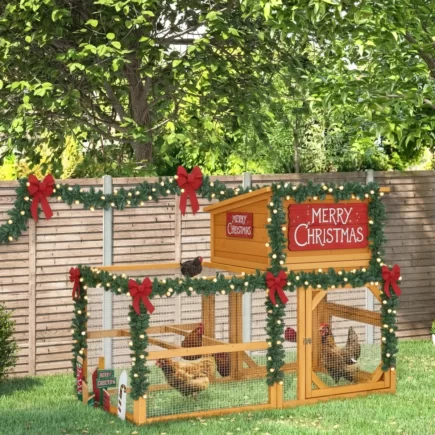



A chicken run must be designed with one clear purpose preventing access by predators. Even a small weakness such as a loose wire, shallow perimeter, or unsecured door can compromise the entire structure. Predators exploit gaps methodically, often returning to the same point until they succeed. Securing a chicken run requires eliminating every possible entry route through thoughtful design, strong materials, and consistent maintenance.
1. Choosing Materials That Prevent Breaches
The effectiveness of a chicken run depends heavily on material strength. Lightweight or decorative fencing materials may appear secure but often fail under pressure.
Hardware Cloth as the Primary Barrier
Galvanized hardware cloth with 1/2-inch openings provides reliable protection against both large and small predators. It prevents:
- Paws from reaching inside
- Snakes and weasels from passing through
- Tearing or deformation over time
Hardware cloth should be used consistently on walls, doors, and overhead coverage to maintain uniform protection throughout the run.
2. Securing the Perimeter Against Digging Predators
Ground-level access is one of the most common failure points in chicken runs. Predators typically dig along fence lines, corners, and door thresholds.
Underground Vertical Barrier
This method blocks predators attempting to tunnel directly beneath the run.
- Dig a trench approximately 12 inches deep around the perimeter
- Attach hardware cloth to the lower wall frame
- Extend the wire straight down into the trench
- Backfill firmly with soil or gravel
Surface Apron Barrier
Where digging trenches is not practical, a surface apron provides effective protection.
- Lay hardware cloth flat on the ground, extending 12–18 inches outward
- Secure it with stakes or landscape pins
- Cover lightly with soil or gravel
When predators begin digging at the fence base and encounter wire, they typically abandon the attempt.
3. Preventing Entry Through the Run Floor
In loose or sandy soil, predators may dig directly into the run interior rather than under the perimeter.
To prevent this:
- Install hardware cloth across the entire floor area
- Bury it at least 12 inches below ground level
- Cover with soil, sand, or bedding material
Remember that this will be done before installation
This approach maintains drainage and allows natural chicken behavior while eliminating underground entry points.
4. Protecting the Run From Above
Open-top runs expose chickens to aerial predators and allow climbing animals to enter.
Overhead Coverage
The top of the run should be fully enclosed using:
- Hardware cloth for maximum strength, or
- Heavy-gauge welded wire with small openings
The covering must be tightly secured to the frame with no gaps along edges or corners to prevent lifting or sagging.
Solid Roofing Options
A solid roof provides additional benefits:
- Completely blocks aerial predators
- Reduces exposure to rain and snow
- Provides shade during hot weather
- Prevents ice buildup inside the run
Roof panels must be firmly fastened and sealed at joints to eliminate access points.
5. Securing Doors and Access Points
Doors are one of the most frequently exploited weaknesses in chicken runs.
Building Strong Doors
A secure door should:
- Be framed with rigid wood or metal
- Be covered with hardware cloth
- Fit flush within the opening
- Have reinforced hinges and corners
Any flex or movement creates an opportunity for predators.
Using Predator-Resistant Latches
Many predators, particularly raccoons, can open simple latches.
Effective latch systems:
- Require two separate actions to open
- Are firmly anchored to the frame
- Resist pulling, twisting, and shaking
Latches should be inspected daily to ensure proper engagement.
6. Sealing Gaps and Structural Openings
Over time, weather and ground movement can create small openings in even well-built runs.
High-risk areas include:
- Panel joints and corners
- Areas near ground contact
- Door edges and hinge points
- Roof-to-wall connections
Any opening larger than one inch should be sealed immediately using hardware cloth or reinforcement strips.
7. Ongoing Security Checks That Keep a Chicken Run Protected
A secure chicken run relies not only on construction but also on regular human oversight.
Evening Lock-Up
Predators are most active after dusk. Each evening:
- Secure all run and coop doors
- Confirm latches are fully engaged
- Visually inspect for damage or movement
Routine Inspections
Weekly inspections help identify vulnerabilities early.
Check for:
- Wire damage or deformation
- Signs of digging near the perimeter
- Loose fasteners or hinges
- Evidence of chewing or pulling
Inspections should also be performed after storms or high winds.
Managing Long-Term Predator Pressure
Once predators discover a food source, they often return repeatedly. A well-secured run:
- Removes easy access points
- Prevents predators from learning entry methods
- Encourages predators to move elsewhere
Ongoing maintenance is just as important as the initial build.
8. Structural Protection Against Weather-Related Weaknesses
Weather can weaken a chicken run if not properly addressed.
- Ensure ground slopes away from the run to prevent water pooling
- Use corrosion-resistant materials for fencing and roofing
- Anchor the structure securely to prevent shifting during high winds
- Reinforce joints and connections to maintain stability year-round
Weather-related damage often creates the very gaps predators exploit, making structural resilience part of run security.
A well-secured Chicken Run does not rely on a single defensive measure. Instead, it combines strong materials, sealed ground access, overhead coverage, secure doors, and consistent inspections to block every known entry method. When these defenses work together, predators are unable to identify or exploit a reliable access point and are far more likely to abandon the area altogether.
FAQs
1. Do electric fences work for chicken runs?
Electric fences can be effective as a secondary deterrent, especially against larger predators that test boundaries. They work best when combined with strong physical barriers like hardware cloth. On their own, they should not be relied on as the sole form of protection.
2. Can predators pull staples or nails out of chicken runs?
Yes, persistent predators can loosen or pull out staples and nails over time, particularly if they are lightly driven or spaced too far apart. Repeated pressure, biting, and pulling weaken fasteners. Using screws with washers or heavy-duty fencing staples reduces this risk significantly.
3. Can dogs break into chicken runs?
Dogs can break into poorly secured chicken runs by pushing against weak fencing or digging underneath the perimeter. Strong dogs may bend thin wire or force doors open. A reinforced frame, buried wire, and secure latches are essential to prevent entry.
4. How do you secure chicken runs built on grass?
Chicken runs on grass should be secured by anchoring the perimeter below ground level. Burying hardware cloth 12–18 inches deep or extending it outward as an apron prevents digging. Ground stakes and weighted edges help maintain stability over time.