























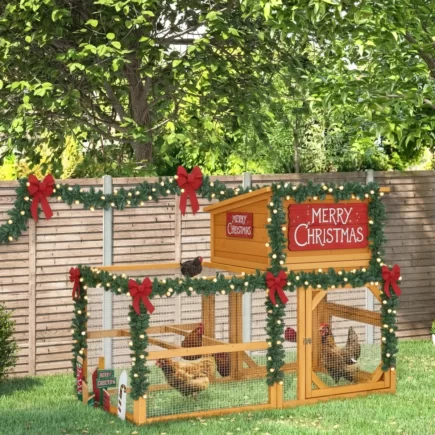



When setting up a safe and healthy environment for your chickens, two structures are essential: the chicken coop and the chicken run. While these terms are often used interchangeably, they serve different purposes. Understanding the distinct roles of each will help you create a setup that meets your flock’s physical, behavioral, and safety requirements.
What Is a Chicken Coop?
A chicken coop is a fully enclosed shelter designed primarily for rest, egg-laying, and nighttime safety and it serves as their primary protection against predators and harsh weather.
Key purposes of a chicken coop:
- Secure nighttime shelter
- Safe egg-laying environment
- Protection from predators
- Shield from rain, snow, heat, and cold
A coop is not designed for roaming or exercise. Instead, it focuses on comfort, security, and controlled conditions.
What Is a Chicken Run?
A chicken run is an enclosed outdoor area attached to or near the coop that allows chickens to move freely during the day while remaining protected.
Key purposes of a chicken run:
- Daytime movement and exercise
- Foraging, scratching, and dust bathing
- Exposure to fresh air and sunlight
- Safe outdoor access without free-ranging
Unlike a coop, a run is not meant for sleeping or egg-laying. Its role is activity, not rest.
How Coops and Runs Work Together
A healthy chicken setup relies on both structures serving different roles rather than one replacing the other. The coop meets safety and rest needs, while the run supports movement and behavioral health. When used together, they reduce stress, lower health risks, and encourage natural behavior without compromising security.
1. Interior Functional Design: Coop vs Run
Essential Features Inside a Chicken Coop
- Roosting bars: Elevated perches where chickens sleep; properly spaced to prevent crowding and injury.
- Nesting boxes: Quiet, enclosed spaces for egg-laying; typically one box per 3–4 hens.
- Ventilation openings: Allow airflow without drafts to reduce moisture and ammonia buildup.
- Flooring and bedding: Materials like straw, wood shavings, or sand for comfort and hygiene.
The coop interior prioritizes rest, calm, and protection, not activity.
Functional Elements Inside a Chicken Run
- Ground surface: Grass, dirt, sand, or gravel depending on drainage and maintenance needs.
- Perches and platforms: Resting spots during the day that encourage movement.
- Dust bathing areas: Dry soil or sand zones for feather maintenance and parasite control.
- Shade and enrichment: Covered sections and simple objects to prevent overheating and boredom.
The run’s layout focuses on movement, stimulation, and open-air access.
2. Safety and Environmental Protection
Protection Offered by a Chicken Coop
- Solid walls and locking doors prevent nighttime predator attacks.
- Enclosed design shields chickens from rain, snow, wind, and temperature extremes.
- Insulation and ventilation help maintain stable internal conditions year-round.
The coop provides maximum security, especially when chickens are most vulnerable.
Protection Offered by a Chicken Run
- Wire mesh walls and roofing deter carnivour and birds of prey.
- Buried fencing or hardware cloth prevents digging predators.
- Partial covers protect from sun and light rain while maintaining airflow.
The run offers controlled outdoor exposure, not full environmental protection.
Space Requirements and Dimensions
Providing adequate space prevents stress, aggression, and health issues.
Coop Space Guidelines
- 2–4 square feet per chicken
- Enough room for roosting, turning, and resting
- Height sufficient for perches and ventilation
Run Space Guidelines
- 8–10 square feet per chicken
- Larger runs reduce boredom and pecking behavior
- Taller runs allow jumping and short flights
Example by Flock Size
| Flock Size | Recommended Coop Size | Recommended Run Size |
| 1–6 Chickens | 8–24 sq ft | 48–96 sq ft |
| 20+ Chickens | 50+ sq ft | 160–200+ sq ft |
Space planning should scale with flock growth.
Construction and Materials
Coop Construction Needs
- Solid wood framing
- Insulated panels where needed
- Predator-proof locks and doors
- Weather-resistant roofing
Coops require more precision due to insulation, ventilation, and safety demands.
Run Construction Needs
- Galvanized wire mesh or hardware cloth
- Support posts and anchoring
- Optional roofing for shade or rain protection
Runs are generally simpler to build but require strong fencing to remain secure.
Maintenance Responsibilities
| Task | Coop | Run |
| Daily | Egg collection, food & water check | Visual fence inspection |
| Weekly | Bedding cleaning, pest check | Waste removal, perimeter check |
| Monthly | Deep clean, ventilation inspection | Ground rotation, vegetation care |
| Seasonal | Weather prep, repairs | Drainage and structural repairs |
Maintenance differs based on function, not importance.
Pros and Limitations of Each Structure
Chicken Coop
Strengths
- Stable internal environment
- Centralized waste management
Limitations
- Limited movement space
- Risk of overcrowding if undersized
Chicken Run
Strengths
- Encourages exercise and natural behavior
- Reduces stress and respiratory issues
- Flexible expansion options
Limitations
- Limited weather protection
- Requires consistent fencing maintenance
Can You Use Only One?
Coop-Only Setup
Works only with large walk-in coops that allow daytime movement. Without outdoor access, chickens may develop behavioral and health issues.
Run-Only Setup
Possible only in warm climates and still lacks nighttime security and nesting areas. Generally not recommended long-term.
Best Practice
A combined coop-and-run setup provides the most balanced environment for safety, health, and behavior.
How to Choose the Right Setup
1. Evaluate Your Conditions
Consider climate, carnivore pressure, space availability, flock size, and budget.
2. Decide What Comes First
Most flocks require a secure coop before adding a run.
3. Plan for Expansion
Design both structures so they can grow with your flock.
Choosing between a coop and a run is less about preference and more about purpose. Each structure addresses different physical and behavioural needs within a flock. When both are sized and maintained correctly, they reduce aggression, improve hygiene, and enhance overall wellbeing. The result is a more stable and manageable chicken environment.
FAQs
1. Can chickens sleep on a chicken run?
No, chickens should sleep inside a coop rather than on the run. The coop provides protection from predators, rain, cold, and wind during the night. Proper roosting bars inside the coop also support safe and comfortable resting.
2. How do I stop chickens from escaping the run?
Use fencing that is at least 4–6 feet tall to prevent flying over the sides. Cover the top with strong mesh to stop jumping or climbing escapes. Bury the fencing several inches into the ground to block digging underneath.
3. How can I extend the lifespan of my chicken coop and run?
Build with weather-resistant materials that handle moisture and sun exposure well. Repair loose fittings, rust, or cracks as soon as they appear. Keep both structures clean, dry, and well-maintained year-round.
4. How do I reduce pecking behavior on the run?
Ensure there is enough space to avoid overcrowding and stress. Add enrichment such as perches, hanging treats, or pecking objects. Provide multiple food and water points to reduce competition among chickens.