






Toy clutter builds fast. One day the floor is clear, and the next day toys seem to spread into every corner of the house. Parents searching for toy storage ideas are not looking for perfect showrooms, they want systems that reduce mess quickly, keep toys accessible, look decent in shared spaces, and still work as kids grow.

This guide features 15 real-life toy storage solutions that balance function, safety, visual appeal, and long-term use.
13 Toy Storage Ideas That Work
01. Large Open Bins for Instant Floor Cleanup
The fastest way to clear toy clutter is using large, open bins that don’t require sorting. Pick one main spot in each room and use wide bins that kids can toss toys into within seconds. Skip bins with lids for everyday items, they add an extra step that stops kids from cleaning up. Fabric bins with handles work best because children can carry them from room to room during playtime, then bring everything back in one trip.
02. Low Open Shelving Kids Can Reach
Low shelves positioned at kid height help children clean up on their own. Open cubes let kids see exactly where toys belong, so they don’t have to guess during cleanup time. Each cube creates a natural “home” for different toy types. When children can grab and return their toys without help, they learn responsibility while making your job easier every single day.
03. Pull-Out Drawer Systems for Small Toy Sets
Plastic drawer units with clear fronts solve the small toy problem effectively. Each drawer can hold one complete toy set, trains in one, blocks in another, art supplies in a third. The see-through drawers let kids spot what’s inside instantly, and the pull-out design means even little ones can reach toys safely. Stack these units in closets or along walls to use vertical space while keeping toys sorted by type.
04. Storage Benches With Hidden Compartments
Storage benches do two jobs at once in playrooms and bedrooms, they give you seating and hide toys. Look for benches with flip-up tops or drawers underneath cushioned seats. These work great near windows, creating cozy reading spots while hiding board games, dress-up clothes, or sports gear. In shared living spaces, storage benches keep the room looking clean, just close the lid when guests come over.
05. Under-Bed Storage Bins on Wheels
The space under beds is perfect for toy storage. Rolling bins made to fit under standard beds work great for bulky items like stuffed animals, seasonal toys, or large building sets. Pick bins with wheels so children can slide them out by themselves. Clear plastic ones let you see what’s inside without opening, while fabric bins with labels work well for toys used less often. This keeps floors clear while using space that usually goes to waste.
06. Over-the-Door Hanging Organizers
The back of the bedroom and closet doors gives you storage space most people forget about. Clear pocket organizers work brilliantly for small toys, art supplies, and collectibles. Each pocket can hold action figures, toy cars, craft materials, or small stuffed animals. For taller items like dolls, take the organizer off door hooks and hang it lower on the wall using sticky hooks, putting everything within easy reach for younger kids.
07. Rolling Carts for Mobile Toy Storage
Three-shelf rolling carts create toy storage that moves wherever play happens. Fill top shelves with current favorites and bottom shelves with backup supplies. Roll the cart from the playroom to the living room for supervised play, then wheel it back when done. These carts work especially well for art supplies, building toys, or pretend play items that kids use all over the house. The wheels make putting toys away easier since the cart goes right to the play spot.
08. Pegboard Systems for Dress-Up and Costumes
Pegboards mounted at kid height change dress-up storage from messy piles into neat displays. Add hooks for costumes, small baskets for accessories, and clips for hats. The adjustable design of pegboard means you can move hook spots as costume collections change. This open display encourages imaginative play by making costumes visible and easy to grab, while teaching children to hang items up after use, a skill that helps with regular clothing later.
09. Lidded Storage Ottomans in Living Rooms
Storage ottomans blend right into living room decor while hiding toys in plain sight. These cushioned pieces work as footrests, extra seats, or coffee tables while concealing books, small toys, and tablets inside. Pick ottomans with removable tops for easier access, and choose neutral fabrics that match your furniture. This solution works great in homes without playrooms, letting shared spaces stay guest-ready with little effort.
10. Under-Stair Built-In Shelving
The odd space beneath staircases offers serious storage potential that often sits empty. Put in custom shelves or use freestanding bookcases cut to fit. Taller sections fit larger toys and games, while shorter sections display collections, artwork, or smaller items. Add a step stool nearby so children can safely reach upper shelves. This hidden storage uses every square foot of your home without needing whole rooms just for toys.
11. Divided Drawer Organizers for Small Collections
Plastic dividers, tackle box inserts, or custom drawer organizers turn deep drawers into sorted storage for small toy collections. Use these systems for toy cars, miniature figures, trading cards, or craft supplies. Children can see everything at once, making choices without dumping it all out. This organizing method works especially well in bedroom dressers where one or two drawers go to toys while others hold clothes.
12. Hanging Mesh Toy Hammocks for Stuffed Animals
Corner-mounted mesh hammocks solve the stuffed animal overflow that hits many children’s rooms. These stretchy nets hold dozens of plush toys off the floor and beds while creating a fun display. Setup needs only a few hooks screwed into wall studs. Children can easily toss stuffed animals into hammocks and grab favorites without adult help. This works particularly well for big collections kids want shown rather than hidden in bins.
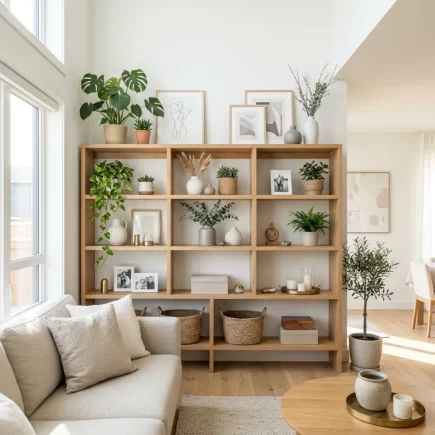
13. Bookcase Room Dividers for Shared Spaces
Tall bookcases positioned sideways to walls create natural room splits while giving double-sided storage. In shared bedrooms, this gives each child their own space with personal storage. In big playrooms, dividers separate active play areas from quiet reading zones. Pick sturdy bookcases with backs that look good on both sides, and always secure them to walls for safety. Add bins, books, and toys facing each side to get the most storage space.
Making Toy Storage Work Long-Term
The most effective toy storage isn’t about buying perfect containers, it’s about creating simple systems that fit your family’s real life. Start by reducing toy volume through decluttering before adding storage solutions. Pick options your children can use on their own, focus on safety with anchored furniture and rounded edges, and stay flexible as interests change.
“Remember that shared living spaces work better with closed storage, while play areas can use open systems. Mix both approaches based on what each room needs most. When storage is simple, safe, reachable, and looks balanced, cleanup becomes part of daily routines instead of constant battles. The right Toys cut daily stress, encourage independence, and create calm spaces where children can play freely.
For families looking for ready-made storage solutions, Aosom offers a range of Toy organization furniture designed specifically for real homes and active families.
FAQs
There’s no magic number, but child development experts suggest quality matters more than quantity. Most children benefit from having 10-20 well-chosen, open-ended toys that encourage creative play rather than dozens of single-purpose items. Many parents find that reducing toy volume actually increases play time and creativity.
Start by grouping similar items together, all building toys in one spot, art supplies in another, and pretend to play items together. Use labeled bins so children know exactly where everything belongs, keeping favorites at kid height. Display some toys on open shelves, keep books in forward-facing racks, and use large baskets for stuffed animals.
Natural materials like water hyacinth, seagrass, and cotton fabric make excellent toy storage options that are both functional and safe. Water hyacinth offers flexibility with a soft texture, while seagrass provides strength for daily use. Cotton fabric baskets work well for toddlers since they’re soft, foldable, and pose no sharp edges.