

































Moving a bed frame might seem like a straightforward task, but doing it the right way makes a big difference. Transporting a frame improperly can cause scratches, lost parts, structural damage, or even injuries. Whether you’re relocating to a new home, selling or donating your bed, taking care with how you handle your bed frame ensures safety, prevents damage, and simplifies reassembly.

Whether you’re a DIY mover or hiring pros, you’ll know exactly how to transport a bed frame the smart way.
Preparation Before Transport
Getting organized before you move a bed frame makes the job easier and prevents problems during the process.
Step 1: Gather the Right Tools and Supplies
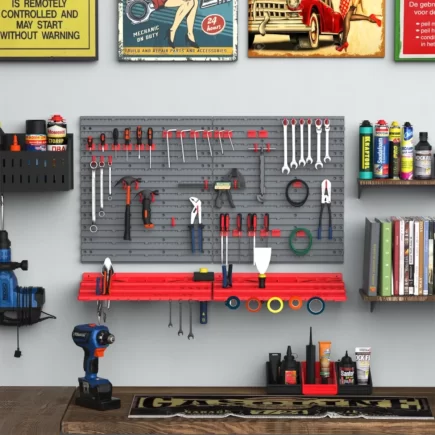
Preparation begins with having the correct tools and protective materials. Without them, you risk damaging your frame or losing small parts.
Essential Tools
- Screwdrivers or Allen wrenches: Depending on your bed’s fasteners.
- Rubber mallet (optional): Helps loosen tight joints without damaging wood or metal.
- Work gloves: Protect hands from splinters, sharp metal, or pinched fingers.
Packing & Protection Materials
- Ziplock bags or small containers: To store screws, bolts, and brackets.
- Masking tape and labels: To mark bags and frame pieces for easy reassembly.
- Moving blankets or quilts: Prevent scratches and dents during transport.
- Plastic wrap or stretch film: Keeps blankets secure and protects upholstered parts.
- Furniture sliders (optional): Helpful if you need to slide heavy parts across floors.
- Mattress bags (if transporting mattress too): Protects against dirt and moisture.
- Ratchet straps or bungee cords: To secure frame parts in the moving vehicle.
Step 2: Prepare the Work Area
A smooth move starts with a clear and organized workspace.
- Clear the Room: Move rugs, lamps, and side tables out of the way. This prevents tripping hazards while carrying heavy pieces.
- Create a Path: Measure the largest frame pieces and ensure they’ll fit through doorways, hallways, or stairwells. Open doors ahead of time.
- Protect Floors: If moving across hardwood or tile, lay down blankets or cardboard sheets to avoid scratches.
- Set Up a Hardware Station: A sturdy side table can double as a station for screws, tools, and labeled bags as you disassemble the bed. Keeping hardware in one place reduces the risk of misplacing small parts.
Step 3: Disassemble the Bed Frame
Taking your bed frame apart carefully is the most important step. Rushing here can lead to damaged wood, stripped screws, or warped rails.
Step-by-Step Breakdown
1. Remove the Mattress & Box Spring
- Set them aside on a clean, flat surface or bag them if transporting.
- Never stack heavy items on mattresses, as they can lose shape.
2. Detach the Headboard & Footboard
- Unscrew the bolts holding them to the side rails.
- For large or heavy headboards, ask for help when lifting.
- Place hardware in labeled bags (e.g., “Headboard Bolts”) and, if possible, tape the bag to the matching piece.
3. Remove Rails & Center Supports
- Detach long rails and any central legs or slats.
- Wooden slats may be loose or screwed in; remove carefully to avoid splitting.
4. Label Every Piece
- Use masking tape to write simple notes such as “Left Rail” or “Right Rail.”
- Tape notes directly to the pieces or wrap tags in plastic film for added protection.
5. Bag & Store Hardware
- Keep screws, bolts, and brackets in individual ziplock bags.
- Store all bags in one small container, and keep it with you during transport to prevent loss.
Extra Tip: Place side tables near your workspace to hold smaller rails, slats, or wrapped parts temporarily. This keeps them off the floor and reduces the risk of stepping on or damaging them.
Step 4: Wrap and Protect Each Piece
Once disassembled, each component needs proper wrapping to prevent scratches, dents, or moisture damage.
Wrapping Guidelines
- Wooden Parts: Wrap in moving blankets, then secure with plastic wrap or tape. Avoid placing tape directly on wood to prevent residue.
- Metal Parts: Wrap with blankets or bubble wrap to prevent dents. For long rails, secure them together in bundles.
- Upholstered Parts: Cover loosely with breathable material before plastic wrapping. Wrapping too tightly in plastic can trap moisture and cause mildew.
- Small Parts: Keep hardware bags taped to their respective frame pieces when possible.
Don’t forget: If you’re moving matching side tables along with your bed frame, wrap them with moving blankets or bubble wrap as well. Secure drawers with stretch film to prevent sliding during transport.
Step 5: Load the Bed Frame Safely
How you load the pieces into your truck or van determines how well they survive the move.
Loading Strategy
- Long Rails & Slats: Lay flat on the floor of the truck or stand upright against the side walls. Secure with straps to prevent sliding.
- Headboard & Footboard: Place against a wall or flat on top of other padded items. If upholstered, keep them on top to avoid pressure marks.
- Hardware & Small Parts: Keep in a small box or bag inside the cab of the vehicle for safekeeping.
- Use a Dolly: For bulky or heavy headboards, a dolly reduces strain and protects your back.
- Bedside & Side Tables: Load them upright and secure them against the truck wall. If they have drawers, face them inward or against another padded item to prevent damage. Place lighter items like side tables on top of padded surfaces, not beneath heavier furniture.
Securing the Load
- Use ratchet straps to tie down large pieces.
- Keep slats bundled together to prevent losing individual pieces.
- Avoid stacking fragile or upholstered parts under heavy furniture.
Step 6: Choose the Right Transport Option
Your transport method depends on budget, distance, and convenience.
| Option | Best For | Pros | Cons |
| DIY Transport (Truck/Van Rental) | Budget movers | Flexible, affordable, full control | Requires lifting, risk of damage if inexperienced |
| Professional Movers | Large/heavy beds, long distance | Experienced handling, insured, efficient | Higher cost |
| Local Pickup & Delivery Services | Selling or moving locally | Quick, cheaper for short trips | Limited to nearby moves, fewer protections |
Step 7: Reassemble the Bed Frame
Once you’ve safely transported your bed frame, it’s time to put it back together. Reassembly is much easier if you organise and label parts during disassembly.
Reassembly Steps
1. Lay Out All Parts & Hardware
- Unwrap frame pieces and place them in an open area.
- Lay hardware bags next to their corresponding parts.
2. Follow Reference Photos
- Use the photos you took earlier as a guide.
- Start with the headboard and footboard, then connect the side rails.
3. Install Slats & Center Supports
- Insert slats, beams, or central legs carefully.
- If screws are required, tighten securely but not excessively.
4. Reattach Hardware
- Use the labeled bags to ensure bolts go back in the right place.
- Check alignment before fully tightening each screw or bolt.
5. Check Stability
- Once assembled, press gently on the frame from different angles.
- If it wobbles, recheck connections or reposition support legs.
Safety and Care Tips
Moving a bed frame involves lifting, carrying, and handling bulky parts. Protect yourself and your furniture with these precautions:
- Lift with Your Legs: Bend at your knees, not your back, when lifting heavy parts.
- Get Help: Large or awkward frames are not a one-person job. Always ask for assistance.
- Avoid Dragging: Dragging across floors can scratch wood, dent metal, or damage flooring.
- Double-Check Fasteners: After reassembly, tighten all bolts,but don’t overtighten, especially in wood, to prevent cracking.
- Mind Storage Conditions: If storing the frame long-term, avoid wrapping in plastic alone. Condensation can lead to rust or mold. Instead, use breathable blankets.
- Bundle Small Furniture Together: If you’re transporting side tables along with your bed, keep them paired or wrapped together for stability.
Ensuring a Smooth and Safe Bed Frame Move
Transporting a Bed Frame properly is all about preparation and attention to detail. With the right tools, careful disassembly, and strategic loading, you can avoid damage, injury, or frustration. Whether you’re moving it yourself or hiring help, these steps ensure your bed frame arrives safely and goes back together without a hassle.
FAQs
1. What should I do if I lose some of the bed frame hardware during the move?
If hardware is lost, visit a hardware store with a matching piece for size reference or contact the bed frame manufacturer for replacements. Keeping a sample bolt or photo helps staff find a close match quickly.
2. How do I move a bed frame when it’s raining or snowing outside?
Wrap all frame parts in waterproof moving blankets and seal edges with stretch wrap. Load and unload quickly, and if possible, wait for a break in the weather. Dry everything immediately after transport to prevent rust or warping.
3. What should I do if my bed frame gets scratched during the move?
Clean the area and use a touch-up marker or wood filler for minor scratches. For deeper damage, repainting bed frame may be necessary, especially on visible parts like the headboard.