


















If your cat has ever avoided the litter box, the problem may not be the litter, it’s often the location. Cats are creatures of comfort and caution, and they require the right setting to feel secure while eliminating. Learning the core placement rules will help you choose the safest, cleanest, and most cat-friendly spot in your home.

The Core Rules for Proper Litter Box Placement
Before exploring room-specific locations, start with the universal placement guidelines recommended by veterinarians and feline behaviorists.
Table: Non-Negotiable Litter Box Placement Rules
| Rule | Why It Matters |
| One litter box per cat + one extra | Prevents crowding and territorial tension |
| Always accessible | Ensures your cat never has to “wait” or overcome obstacles |
| Keep away from food and water | Cats instinctively separate eating and bathroom areas |
| Avoid loud appliances | Unexpected noise causes immediate avoidance |
| Never place in tight or enclosed spaces | Poor airflow increases odor and stress |
| Choose good airflow + moderate temperature | Prevents odor traps and humidity issues |
| Place on easy-to-clean flooring | Improves hygiene and reduces tracking |
Expert Tip: Multi-level homes should have at least one litter box on each floor.
Best Places to Put a Litter Box (Room-By-Room Guide)
1) Bathroom
Bathrooms naturally support litter box hygiene thanks to their hard flooring and built-in privacy. The room’s layout separates litter activity from main living areas, helping maintain a cleaner home.
Benefits:
- Easy cleaning: Tile or vinyl flooring allows you to sweep litter quickly, wipe spills immediately, and sanitize the area without worrying about carpets absorbing odors or moisture.
- Private environment: The enclosed setup helps cats feel safe and uninterrupted, which encourages calm and predictable litter box habits throughout the day.
- Reduced litter spread: Hard, smooth surfaces make it harder for loose litter to cling to paws, keeping tracking to a minimum as your cat exits the room.
Perfect for: Homes that prioritize hygiene, cats that prefer secluded spaces, and owners who want quick, low-effort cleaning.
2) Hallway or Nook
Hallway corners or small nooks offer a nice balance of visibility and accessibility. Cats appreciate the ability to monitor their surroundings without feeling trapped or isolated.
Benefits:
- Strong visibility: Open sightlines let cats observe movement in the home, reducing the fear of being surprised or approached while eliminating.
- Multiple exit paths: Open designs prevent cats from feeling cornered, which encourages more frequent use especially in multi-cat households.
- Healthy airflow: Hallways naturally maintain circulation, helping odors move away from the box instead of settling into one spot.
Perfect for: Confident cats, multi-cat homes, and households where open layouts help cats feel more secure.
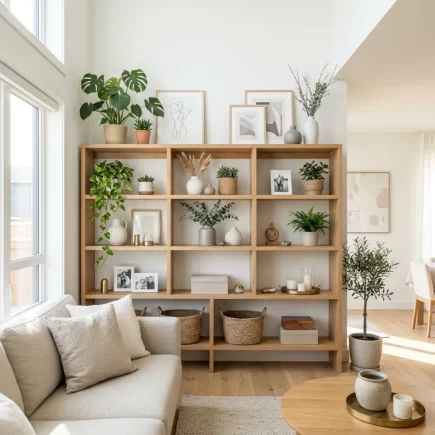
3) Living Room Corner
A quiet corner of the living room can be an excellent placement option, especially in apartments or smaller homes. It keeps the box accessible while blending effortlessly into your daily space.
Benefits:
- Consistent airflow: Open living spaces allow odors to disperse naturally, preventing the trapped, heavy scent that can occur in enclosed areas.
- Always easy to reach: Cats can find and access the box quickly, reducing rushed behavior or accidents caused by distant locations.
- Decor-friendly options: Furniture-style litter box enclosures can disguise the setup while maintaining excellent airflow for your cat.
Perfect for: Social cats, apartment layouts, and homes that want a functional yet discreet litter placement.
4) Mudroom or Storage Area
Mudrooms offer a semi-private, structured space that keeps litter debris controlled and away from busy living areas. These rooms are practical, organized, and ideal for keeping cleanup simple.
Benefits:
- Quiet and predictable: Mudrooms generally stay calm with fewer interruptions, which helps cats settle into a comfortable bathroom routine.
- Quick cleanup: Hard surfaces allow fast sweeping and wiping, making maintenance smooth even if your cat is a vigorous digger.
- Designated utility zone: The room’s function naturally keeps litter activity separate, helping maintain a tidy and organized home.
Perfect for: Busy households, medium-to-large homes, and cats that enjoy semi-private spaces without feeling isolated.
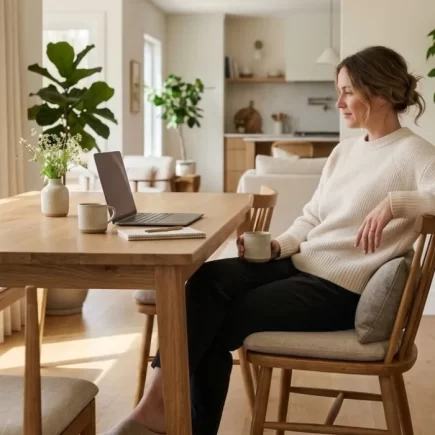
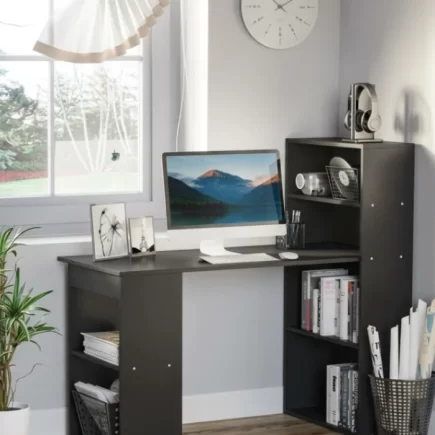
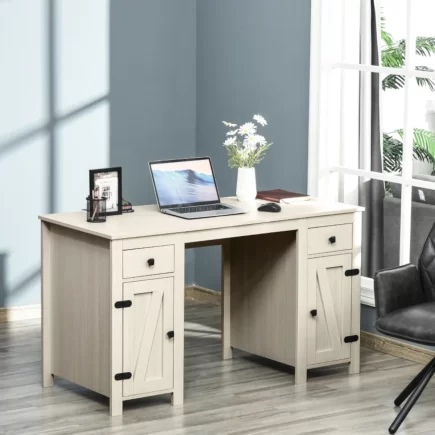
5) Home Office
A home office is typically quiet during non-working hours, and many cats enjoy resting nearby while you work. The controlled environment and predictable routine make this room a surprisingly effective placement area.
Benefits:
- Consistent quiet time: Work sessions create long periods of calm, which helps cats feel secure while eliminating.
- Stable environment: Most offices maintain even lighting and temperature, keeping the litter area comfortable throughout the day.
- Owner proximity: Cats can stay close to you without being in high-traffic zones, supporting emotional comfort and confidence.
Perfect for: Cats bonded to their owners, single-cat households, and homes with a dedicated office space.
Places You Should Avoid
Even the best litter box won’t work if it’s placed in the wrong environment. Cats rely on safety, airflow, stability, and predictable surroundings. The following locations consistently create stress or avoidance.
1. Kitchen or Dining Area
These areas mix food with waste smells, which cats naturally avoid. Strong odors and hygiene concerns make this the least ideal spot for a litter box.
2. Laundry Room
Noise and vibrations from appliances can frighten cats and interrupt their routine. The space often feels unstable and unpredictable to them.
3. Closets or Tight Cabinets
Restricted airflow causes odors to build up quickly, and small spaces feel unsafe. There’s also a risk of the cat being accidentally shut inside.
4. Garage or Outdoor Areas
Extreme temperatures, strong fumes, and unpredictable noise make garages stressful for cats. Outdoor scents can also trigger fear or avoidance.
5. Under the Bed
Poor airflow causes ammonia odors to accumulate fast. Tight spaces make cats feel cornered, and the area is difficult to clean or monitor.
Placement Tips Based on Cat Breeds
| Breed Type | Ideal Placement Location | Why It Works | Avoid |
| Siamese, Oriental, Balinese | Living room corner, hallway nook | Social, curious | Isolated rooms, basements |
| Persian, Himalayan | Quiet corners, spare room | Prefer calm and predictability | Noisy/busy areas |
| Maine Coon, Ragdoll | Large rooms, wide hallways | Need more turning space | Small bathrooms, cramped spaces |
| Bengal, Savannah | Open visible areas | Need escape routes | Tight corners, enclosed cabinets |
| Sphynx & Hairless | Warm rooms | Sensitive to cold | Garages, drafty rooms |
| Russian Blue, British Shorthair | Quiet private rooms | Prefer routine | High-traffic areas |
| Abyssinian & Climbers | Well-lit open spaces | Like visibility | Dark corners |
| Senior Cats | Ground-floor rooms | Avoid stairs | Basement-only setups |
| Kittens | Visible, central spots | Better habit-building | Hidden or distant rooms |
Seasonal Placement Considerations
| Season | Ideal Placement Adjustments | What to Avoid |
| Summer | Choose cooler rooms with steady airflow; keep the box away from direct sunlight and heat-producing appliances. | Sunrooms, upstairs rooms that trap heat. |
| Autumn (Fall) | Select rooms with stable temperatures as outdoor temps fluctuate; slightly warmer, draft-free areas work well. | Rooms with open windows, near doors used frequently, or areas exposed to cold breezes. |
| Winter | Keep the litter box in warm, accessible indoor spaces; ensure the room temperature stays consistent. | Cold basements, garages, unheated storage rooms. |
| Spring | Place the box away from open windows or areas with pollen-heavy airflow; choose moderate-temperature rooms. | Rooms near open patio doors, damp areas after spring rain. |
Signs the Current Location Isn’t Working
Watch for these signs of poor placement:
- Avoiding the box
- Rushing out immediately
- Eliminating near but not in the box
- Scratching outside the box
- Stress or hiding
- Peeing on soft surfaces
Fix by adjusting:
- Airflow
- Noise level
- Visibility
- Escape routes
- Room choice
Final Placement Checklist
Before choosing a final location, ensure the spot is:
- Quiet
- Accessible 24/7
- Well-ventilated
- Visible enough for safety
- Away from food
- Away from noise
- Stable in temperature
- On easy-to-clean flooring
- Open with two escape routes
- Not cramped or enclosed
Every home has ideal and not-so-ideal spots, and understanding those differences is the key to consistent Cat Litter Box success. When the box sits in a space with comfort, airflow, privacy, and stability, most problems disappear on their own. With the right placement, your cat gains confidence, your home stays fresher, and daily care becomes far easier.
FAQs
1. Is it okay to put a litter box in the basement?
It’s fine to use a finished, warm, and ventilated basement, especially for confident adult cats. Avoid unfinished basements; they’re too cold, damp, and poorly lit, which makes most cats uncomfortable. If your cat spends most of their time upstairs, place an additional box on the main level so they’re not forced to travel far.
2. Should the litter box be hidden or out in the open?
Both can work, but the key is choosing a spot where your cat doesn’t feel trapped. Semi-open areas with good airflow help cats feel secure and reduce odor buildup. Hidden boxes are fine if they maintain visibility, ventilation, and easy access, not tight cabinets or enclosed closets.
3. How far away should cat food be from the litter box?
Keep food and water in a separate zone from the litter box ideally in another part of the room or several feet away. Cats naturally avoid eliminating near their meals because it feels unsafe and unsanitary. A clear separation helps reduce stress and encourages consistent litter box habits.
4. Can I put a litter box near an air vent or AC?
It’s best to avoid placing the box directly under vents, AC units, or heaters. Sudden bursts of air can startle cats and make the area uncomfortable. Choose a spot with gentle, consistent airflow instead, so the space stays fresh without creating drafts that deter your cat.