














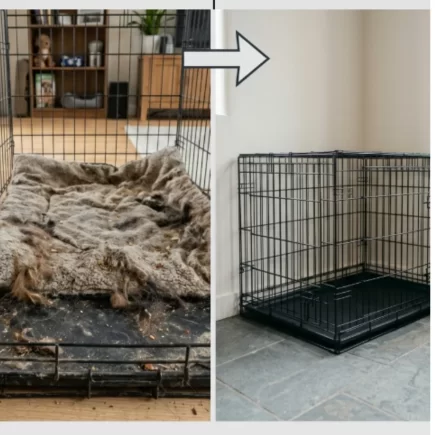












Regularly deep cleaning your reptile’s enclosure is vital for its overall health. Proper cleaning helps remove bacteria, waste, and other contaminants that can cause illness. With the right tools and products, this process becomes more efficient and effective. Here’s how to properly clean and sanitize your reptile’s living space.
Supplies You’ll Need to Deep Clean a Reptile Enclosure
Preparing your supplies before you start ensures a smoother, faster, and more effective cleaning process.
Basic Cleaning Tools
| Item | Purpose |
| Scrubber brushes | Remove stuck-on debris and waste |
| Microfiber cloths or paper towels | Wipe and dry areas |
| Spray bottles (2-3) | Apply cleaning solutions |
| Bucket | Hold soapy water |
| Rubber gloves | Protect hands |
| Old toothbrush | Reach tight crevices |
Cleaning & Disinfecting Products (Reptile-Safe)
| Product | Best For |
| Dawn dish soap | Initial cleaning phase |
| 3% Hydrogen peroxide | Disinfection and residue breakdown |
| Steam cleaner (reaches 300°F) | Final sanitization |
Deep Cleaning Process (Step-by-Step)
Follow these detailed steps to thoroughly clean and disinfect your reptile’s enclosure, ensuring a safe and healthy living space for your pet.
Step 1: Remove Everything from the Enclosure
Taking everything out exposes hidden waste, bacteria, and debris stuck under platforms, behind hides, and along edges where reptiles frequently defecate.
Empty the habitat completely:
- Remove all decor (hides, caves, branches, plants, climbing structures)
- Take out water and food dishes
- Remove all bedding/substrate dump outside or into trash bag
- Clear out any waste or shed skin stuck to walls
- Remove mounting hardware if possible
Step 2: Initial Scrub with Soapy Water
Soap breaks down oils, organic matter, urates, and stuck-on waste that disinfectants alone can’t remove.
Scrubbing process:
- Fill bucket with hot water and Dawn dish soap
- Dip brush into the solution
- Scrub all walls, floor, ceiling, edges, and junction points thoroughly
- Use old toothbrush for grooves, seams, and tight crevices
- Pay extra attention to lower areas where waste accumulates most often
- Wipe up all soapy water with cloth or paper towels
Step 3: Hydrogen Peroxide Treatment
After wiping up soap, this solution breaks down microscopic residue that won’t come up with soap alone.
Application process:
- Put gloves on your hands.
- Use 3% hydrogen peroxide (available at any drugstore)
- Spray entire tank thoroughly every wall, floor, and edge
- Let soak for 10-15 minutes set a timer
- Do NOT wipe during soaking let it work
What happens: The peroxide eats away at residue and organic matter, breaks down stubborn spots, begins disinfecting, and makes everything easier to wipe up.
Step 4: Clean and Sanitize All Decor
Different items need different approaches based on their size. Clean everything your reptile touches.
- Scrub with hot soapy water using brush (same method as Step 2)
- Rinse and let dry
- Apply hydrogen peroxide treatment (same soak time as Step 3)
- Wipe down with clean cloth
- Set aside for steam cleaning in Step 6
Step 5: Wipe Down the Enclosure
After the peroxide has soaked for the full duration, it’s done its job.
Wiping process:
- Use clean microfiber cloths or paper towels
- Wipe up all solution from walls and floor
- Pay attention to edges where liquid pools
- Notice how much easier stubborn spots wipe up now
Step 6: Steam Clean Everything (Most Critical Step)
This final step uses high-temperature steam to kill virtually everything bacteria, viruses, parasites, and their eggs.
Steaming technique:
- Start at top and work down
- Move the device slowly across each section
- Focus on where walls meet (top and bottom junction points)
- Pay special attention to lower areas and bottom sections
- Hold steam on heavily soiled spots for 3-5 seconds
- Ensure direct contact with every area don’t rush
- Get into grooves, seams, and crevices with the nozzle
Priority zones:
- All junction points where walls meet
- Areas where you previously saw waste
- Ventilation holes or screen sections
- Door frames or sliding glass tracks
- Steaming all the decor of the cage
Step 7: Dry the Enclosure Completely
Moisture causes mold, mildew, bacterial growth, and structural damage to wooden enclosures.
Drying Process:
- Wipe up excess water from steaming with dry towels
- Place habitat in well-ventilated area
- Set outside in sunlight if possible (UV provides additional sanitization)
- Use a fan indoors to increase air circulation
- Lift or angle pieces so air flows underneath
- Open all doors and vents for maximum airflow
Drying time guidelines:
- Dry climates: 2-4 hours minimum
- Moderate humidity: 4-8 hours
Step 8: Reassemble and Set Up
Once everything is clean and dry, create a fresh, safe environment.
Reassembly steps:
- Add fresh, clean substrate/bedding
- Place all cleaned and dried decor back in position
- Position hides, water dishes, and climbing structures securely
- Ensure all platforms are stable nothing should wobble
- Check that all pieces are firmly positioned
Safety Tips & Warnings
⚠️ Steam burns: Steam cleaners reach 300°F never point at yourself, others, or pets; keep hands away from the nozzle to prevent severe burns.
⚠️ Chemical safety: Always wear rubber gloves when handling cleaning chemicals, wash hands thoroughly after cleaning.
⚠️ Ventilation: Work in well-ventilated areas when using chemicals; if using ammonia, open all windows and never mix with vinegar or bleach.
⚠️ Reptile safety: Remove reptiles to secure temporary housing before cleaning; never return them until habitat is bone-dry with no chemical smell.
⚠️ Contamination prevention: Don’t clean reptile tanks in kitchen sinks or near food prep areas use bathtub, utility sink, or outdoor areas to prevent salmonella contamination.
⚠️ Proper soaking: Let hydrogen peroxide work for the full recommended time; rushing reduces disinfection effectiveness.
Maintaining a clean reptile habitat requires a systematic approach and the right supplies. By following this deep cleaning process, you not only remove contaminants but also create a fresher, safer space for your reptile. Consistency is key, and regular deep cleaning ensures your reptile’s well-being, allowing them to live a happy, healthy life.
If you’re considering an upgrade or a new cage for your pet, you can easily find the perfect option from Aosom to fit their needs.
FAQs
1. Is it safe to use bleach to clean a reptile cage?
Bleach can be used to clean a reptile cage, but it must be thoroughly rinsed to avoid harmful residues. It’s essential to dilute bleach properly and ensure the cage is completely dry before reintroducing your reptile. Consider using reptile-safe cleaners as a safer alternative.
2. How do you control odor in a reptile cage?
Regular cleaning, including spot cleaning and substrate changes, helps reduce odor. Adding activated carbon or odor-absorbing products can further combat smells. Ensuring proper ventilation and controlling humidity also play a key role in maintaining a fresh environment.
3. Can dirty reptile cages affect shedding?
Yes, a dirty cage can lead to health problems, including improper shedding. A buildup of waste can stress your reptile, causing skin issues or incomplete shedding. Regular cleaning helps maintain optimal conditions for proper skin shedding and overall health.