




















Starting a greenhouse for the first time is exciting, but many beginners ask the same question: what should I grow first?
The best answer is simple. Start with plants that grow quickly, handle small mistakes, and give steady harvests. A greenhouse protects crops from wind, heavy rain, frost, and sudden temperature drops. That protection makes growing easier and more predictable than outdoor gardening.

If you are new to greenhouse gardening, this guide will help you choose the right beginner-friendly plants, avoid common mistakes, and understand exactly what it costs to get started.
Best Vegetables to Grow in a Greenhouse for Beginners
Vegetables are the easiest and most rewarding choice for first-time greenhouse growers. They produce well in containers or raised beds and respond quickly to proper care.
Tomatoes
Tomatoes are the most popular greenhouse crop for beginners. They love warmth and steady conditions.
- Grow well between 65–85°F
- Need at least 6 hours of sunlight daily
- Produce 6–12 pounds per plant in a season
- Grow easily in pots or grow bags
Cherry tomatoes are especially easy because they grow fast and produce heavily.
Cucumbers
Cucumbers thrive in warm, slightly humid greenhouse conditions.
- Prefer 70–85°F
- Grow best in full sun
- Need consistent watering
- Should be trained vertically to save space
Vertical growing improves airflow and increases yield.
Peppers
Bell peppers and chili peppers both grow well in a greenhouse.
- Like temperatures between 70–85°F
- Need full sunlight
- Produce 5–15 peppers per plant
- Grow well in containers
Peppers take a little longer to mature than lettuce but reward you with steady production.
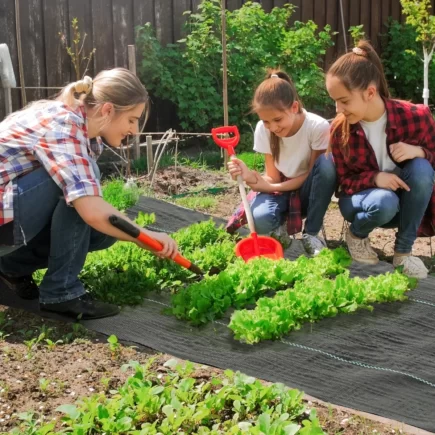
Lettuce and Leafy Greens
If you want fast results, start with lettuce or spinach.
- Grow best between 55–70°F
- Ready to harvest in 30–45 days
- Need light but not intense heat
- Perfect for trays or shallow containers
You can harvest outer leaves and allow the plant to keep growing.
Radishes
Radishes are one of the fastest greenhouse crops.
- Harvest in 25–30 days
- Grow well in cool temperatures
- Require little space
They are ideal for beginners who want quick success.
Easy Herbs to Grow in a Greenhouse
Herbs are low-maintenance and perfect for small greenhouse spaces.
- Basil: Needs warmth and full sun. Keep soil evenly moist.
- Parsley: Grows well in moderate temperatures and bright light.
- Mint: Very easy to grow but should be kept in its own pot to prevent spreading.
- Rosemary: Prefers warm, slightly dry conditions and full sun.
- Cilantro: Grows best in cooler greenhouse temperatures and bright light.
Herbs do not need much space and can be grown in small containers along shelves.
Best Fruit for Beginners
Strawberries
Strawberries grow very well in a greenhouse.
- Prefer 60–80°F
- Grow well in pots or hanging baskets
- Produce earlier fruit than outdoor plants
- Yield about 0.5–1 pound per plant
Greenhouse strawberries are protected from birds and heavy rain, which improves fruit quality.
Fast and Easy Option: Microgreens
Microgreens are perfect for beginners who want very quick harvests.
- Ready in 7–14 days
- Grow in shallow trays
- Need minimal space
- Extremely nutrient-rich
Popular choices include radish, pea shoots, broccoli, and sunflower.
What to Grow by Season in a Greenhouse
Planning by season helps you grow more efficiently.
| Season | Best Crops |
| Early Spring | Lettuce, spinach, radishes, peas |
| Spring | Tomatoes, cucumbers, peppers, basil |
| Summer | Harvest warm crops, start fall greens |
| Fall | Spinach, kale, cool-season lettuce |
| Winter | Microgreens and hardy herbs |
Simple Greenhouse Care Tips for Beginners
- Temperature: Most beginner crops grow best between 60–80°F. Open vents if temperatures rise above 85°F.
- Watering: Water in the morning. Check soil 1 inch deep before watering. Avoid overwatering.
- Spacing: Do not overcrowd plants. Good airflow prevents disease.
- Light: Place sun-loving crops like tomatoes and peppers in the brightest spots.
- Start Small: Choose 3–5 crops in your first season. Learn their needs before expanding.
How Much Can You Grow in a Small Greenhouse?
In a small 6×8 greenhouse, beginners can grow:
- 4 tomato plants
- 2 cucumber vines
- 4 pepper plants
- Several herb pots
- Multiple trays of lettuce
This setup can produce 40–60 pounds of fresh produce in one growing season.
7 Mistakes Beginners Make in a Greenhouse (And How to Avoid Them)
Learning from common mistakes saves time, money, and frustration.
- Overwatering: The most common beginner mistake. Always check the soil 1 inch deep before watering. If it is still moist, wait another day.
- Poor ventilation: A closed greenhouse traps heat and moisture, leading to mold and disease. Open vents on warm days and use a small fan to keep air moving.
- Planting too much too soon: Starting with 8 or 10 crops at once is overwhelming. Stick to 3–5 crops your first season.
- Ignoring temperature swings: Greenhouses can overheat quickly on sunny days even in cool months. Check temps in the morning and afternoon, not just once a day.
- Crowding plants: Plants too close together compete for light and airflow. Follow spacing guidelines on seed packets.
- Skipping hardening off: If you plan to move seedlings outdoors later, gradually introduce them to outside conditions over 7–10 days to prevent shock.
- Choosing difficult crops first: Save melons, corn, and large squash for later. Focus on tomatoes, lettuce, herbs, and radishes when you are just starting out.
When deciding what to grow in a greenhouse for beginners, focus on plants that are easy, productive, and forgiving. Tomatoes, cucumbers, peppers, lettuce, radishes, herbs, strawberries, and microgreens are the best starting point.
A greenhouse gives you control over temperature and protection from weather. With simple care, steady watering, and good ventilation, even first-time growers can enjoy reliable harvests and build confidence quickly.
Ready to get started? Find the right structure in our Greenhouse Collection and begin your first growing season with confidence.
Start small, grow consistently, and expand as you gain experience.
If you want to go deeper on cold-season growing, check out our complete guide on what to grow in a greenhouse in winter.
FAQs
Yes, many plants can survive in an unheated greenhouse, especially cold-hardy crops like kale, spinach, and carrots. The greenhouse still provides valuable protection from wind, heavy rain, and frost, extending your growing season well beyond outdoor limits.
In most cases, a standard home greenhouse does not require planning permission if it sits within your property boundary and meets basic size limits. However, rules vary by location, so always check local regulations before building.
Polycarbonate panels are the best choice for beginners. They are lighter than glass, harder to break, provide better insulation, and cost significantly less. Single-layer plastic film is the cheapest option but loses heat faster and degrades within a few years.
Yes, and it is actually preferred over tap water for most crops. Rainwater has a natural pH that most plants tolerate well and contains no chlorine. Collect it in a barrel or tank connected to your gutters.