



















A cat tree becomes truly valuable only when it’s placed where your cat feels secure and interested. Put it in the right spot, and your cat will climb, play, scratch, and nap daily. Put it in the wrong one, and they may avoid it altogether. This guide breaks down how to pick the ideal location by understanding your cat’s habits, confidence levels, and favourite areas in your home.

Understanding Your Cat’s Natural Preferences
Every cat has instinctive habits that influence where they climb, rest, and watch their surroundings. Some love staying close to people, while others prefer quiet corners. Understanding these tendencies helps you choose a location they will naturally gravitate toward.
Behaviour Indicators to Watch
- Where your cat chooses to sit or nap during the day
- Whether they prefer height or ground-level spaces
- How often they follow you between rooms
- Signs of discomfort such as pacing, hiding, or avoiding a spot
- Whether they enjoy watching windows, doors, or open spaces
What Makes a Spot Feel Safe for Cats
Cats feel most comfortable in environments that offer visibility, safety, and predictability. Look for spots with:
- Good visibility of the room
- A secure backing like a wall, corner, or furniture
- Minimal sudden noise or heavy foot traffic
- Stable lighting and consistent temperature
- Escape routes they can access quickly if startled
Core Rules for Choosing the Right Cat Tree Location
These placement rules ensure your cat uses the tree confidently and comfortably.
1) Comfort & Security
- Place the tree near a wall, corner, or stable structure
- Ensure enough space for your cat to climb safely
- Avoid wobbly or confined areas
- Provide at least one perch with a clear view of the room
2) Temperature Stability
- Keep away from drafty windows or doors
- Avoid direct heat vents or radiators
- Prevent harsh sunlight that overheats upper levels
3) Low Noise & Low Traffic
Avoid placing the tree near:
- Loud appliances (washing machine, dryer, blender, TV speakers)
- Hallways with constant movement
- Busy entry doors
4) Routine & Daily Flow
Placement depends on:
- Whether your cat is clingy, social, or independent
- Where they stay during morning and night routines
- Their reaction to noise, light, and activity
5) Health Considerations
- Senior cats may need lower platforms
- Kittens need safe, supervised zones
- Nervous cats prefer corners or enclosed areas
Best Places to Put a Cat Tree in Your Home
Each area creates a different type of comfort and supports distinct natural behaviours. Below, each section includes a short intro plus expanded 2-line benefits exactly as requested.
1) Living Room Corner
A cosy, predictable area where your cat can stay near the family while still feeling secure. This placement offers a balance of engagement and comfort, making it ideal for everyday lounging and observing.
- Comfortable Observation: Gives your cat a calm place to watch the household without becoming overwhelmed. It supports their natural need to observe activity from a safe, quiet distance.
- Safe Back Support: The wall or corner behind the tree helps your cat feel secure and protected. This reduces stress and encourages them to rest or climb with more confidence.
- Consistent Routine: Being in a familiar shared space makes daily use more likely and natural. Your cat stays connected to the family while still having their own defined zone.
2) Near a Window (If Temperature-Stable)
Ideal for curious cats who enjoy watching birds, leaves, and outdoor movement. This location adds stimulation and sunlight, turning the tree into both a lookout tower and a warm resting spot.
- Natural Entertainment: Outdoor movement like birds, leaves, and passing shadows keeps them stimulated. This steady visual activity satisfies curiosity and prevents boredom.
- Warm Resting Zone: Soft sunlight creates a comfortable lounging area without overheating.It provides warmth and relaxation while supporting healthy daytime napping.
- Instinct-Friendly: Windows allow cats to track movement and survey the world safely from indoors.These instinctual behaviours help reduce stress and provide mental enrichment.
3) Bedroom Beside Your Bed
Perfect for affectionate or anxious cats who feel safest sleeping near their owner. This placement creates a peaceful overnight retreat while giving your cat access to comfort and proximity.
- Nighttime Security: Being near you at night provides reassurance for anxious or affectionate cats. It supports calmer sleep and reduces nighttime wandering or crying.
- Calm Atmosphere: Bedrooms typically offer quiet, dim light that encourages deeper rest. This peaceful environment helps your cat relax, recharge, and feel safe.
- Bond-Strengthening: Sleeping nearby strengthens emotional connection without crowding your bed. It gives both of you closeness while maintaining personal comfort.
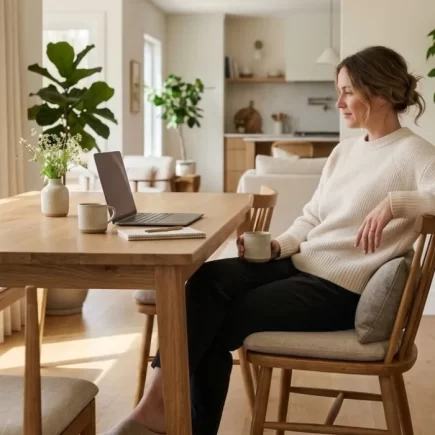
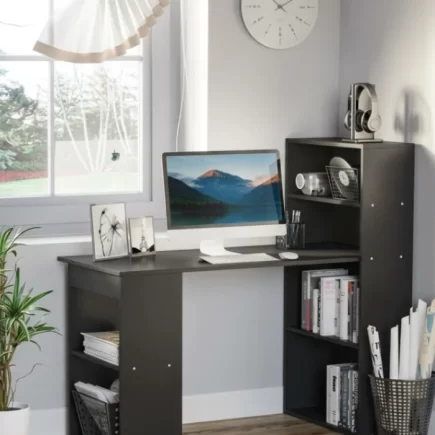
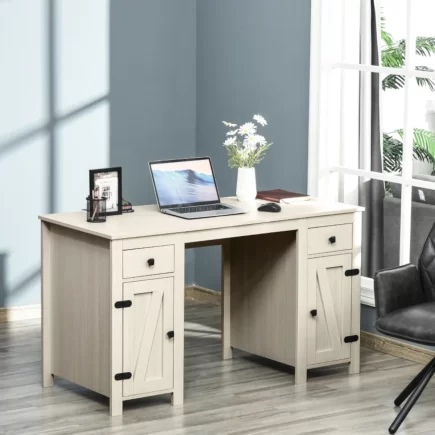
4) Home Office Corner
A wonderful choice for cats who like being near you during work hours. This placement lets them feel included while keeping them out of your workspace.
- Workday Companionship: Keeps your cat close during work hours without interrupting your tasks. They feel included and content while you stay productive.
- Quiet Nap Spot: Offices often have fewer distractions, making them great for long naps. This calm setting supports better daytime rest and relaxation.
- Reduces Interruptions: A designated perch helps them observe instead of jumping onto desks. It channels their curiosity in a controlled, peaceful way.
5) Beside a Sofa or Armchair
This location offers social comfort while giving cats the security of being next to sturdy furniture. It’s perfect for cats who love being near the family without sitting directly on people.
- Security from Backing: Furniture behind the tree provides a protective, comforting barrier. This helps your cat feel grounded and less exposed while resting.
- Social Comfort: Allows your cat to stay close to family activities without feeling crowded. It supports a balance of companionship and personal space.
- Traffic Protection: Shields your cat from sudden movements or foot traffic nearby. This reduces startle responses and promotes calmer lounging.
6) Under the Stairs (Open Area)
A naturally semi-enclosed environment that appeals to shy or easily startled cats. This tucked-away location offers quiet stability while keeping them connected to household flow.
- Den-Like Feel: Semi-enclosed space mimics natural hiding spots that cats instinctively prefer. It offers comfort and safety for shy or easily startled cats.
- Low-Disturbance Zone: Reduced noise and traffic help sensitive cats relax more deeply. This quiet placement encourages peaceful behaviour and better rest.
- Efficient Space Use: Makes good use of an otherwise unused area in the home. It becomes a functional and comforting zone your cat will return to.
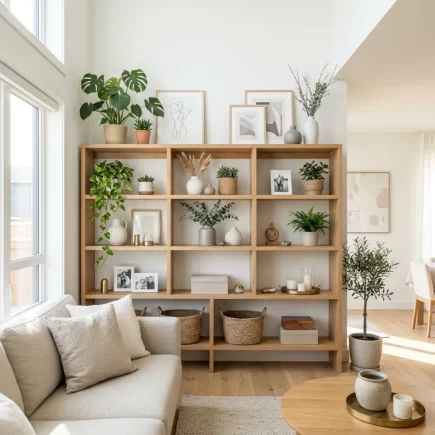
7) Under a Console Table or Beside a Bookshelf
A great option for cats who like a structured, semi-hidden environment that provides security and predictability. This placement gives them privacy without isolating them from household life.
- Structured Security: Furniture around the tree creates a predictable, shielded environment.
This helps minimise anxiety caused by sudden movement or noise. - Close but Hidden: Lets your cat stay near people while still enjoying privacy and control.They can observe safely without being in the center of activity.
- Perfect for Anxious Cats: Semi-hidden placement gives nervous cats a stable, cosy territory.It encourages confidence while reducing overstimulation.
8) Quiet Corner in a Multi-Cat Home
A dedicated space that helps reduce competition and promotes harmony among multiple cats. This placement supports healthy boundaries and reduces tension.
- Reduced Conflict: Providing separate zones lowers territorial tension between cats. This helps avoid dominance issues and improves harmony.
- Private Resting Area: Each cat gets their own vertical space to relax without competition. This improves comfort and lowers overall stress levels.
- Promotes Peace: Clear boundaries support calmer interactions in multi-cat households. It helps create a balanced living environment for everyone.
Finding the best place for your Cat Tree doesn’t require guesswork, just careful observation and awareness of your cat’s comfort cues. When you choose a location that fits their personality and habits, the tree quickly becomes a favourite spot. It’s a small change that makes a big difference in their daily happiness.
FAQs
1. How many cat trees do I need for 2 cats?
Two cats do best with at least one main cat tree plus an additional elevated perch or shelf. This prevents competition for high spaces and reduces territorial stress. If your cats don’t get along well, providing two separate climbing zones in different rooms works even better.
2. What features should I look for when buying cat tree toys?
Choose toys that match your cat’s natural instincts chasing, pouncing, scratching, or hunting. Look for safe materials, strong stitching, and engaging elements like feathers, bells, or motion. Rotating a few toys weekly keeps playtime exciting and prevents boredom.
3. How do I keep a cat tree clean?
Vacuum the platforms and posts weekly to remove fur and dander. Wipe surfaces with a pet-safe cleaner and wash removable pads or hammocks regularly. Replace worn sisal posts or loose parts to keep the tree sturdy, hygienic, and inviting.
4. How long does a cat tree usually last?
A good-quality cat tree typically lasts 2–5 years, depending on how active your cat is. Heavy scratchers may wear down posts sooner, but many trees allow sisal or part replacements. Regular cleaning and tightening hardware help extend the lifespan significantly.