












A greenhouse extends your growing season and creates ideal conditions for your plants. But with countless options available, how do you choose the right one? This guide walks you through the essential decisions to find a greenhouse that matches your needs, space, and budget.

Step 1: Determine Your Greenhouse Type
Choose the style that fits your space and gardening goals.
Freestanding Greenhouses / Walk-In Greenhouses
Independent structures offering maximum flexibility and room to expand. Ideal for serious gardeners with adequate yard space who need a dedicated growing area.
Lean-to Greenhouses
Attached to an existing building like your house or garage. These save space and share warmth from the connected structure, reducing heating costs. Perfect for urban gardeners with limited outdoor space or those wanting easy home access.
Hoop Houses and Polytunnels
Affordable, portable structures with metal or PVC frames covered in plastic sheeting. Perfect for season extension rather than year-round growing on a budget.
Cold Frames and Mini Greenhouses
Compact structures for patios, balconies, or small yards. These protect seedlings and small plant collections during cooler months, ideal for apartment dwellers and beginners.
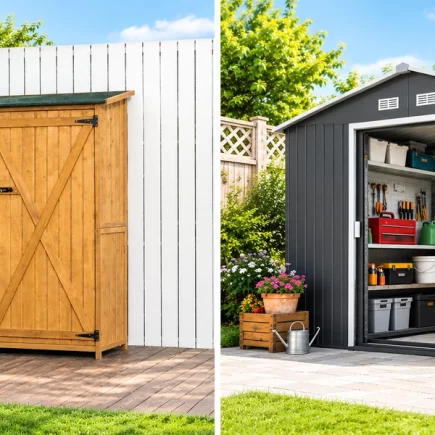
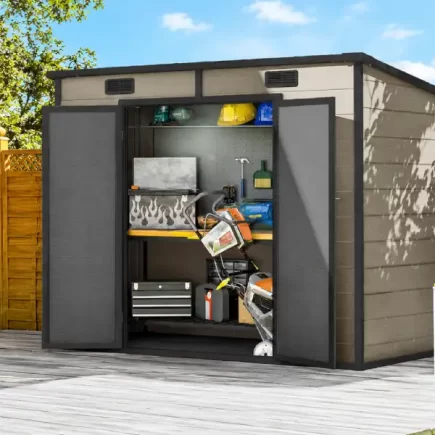
Combination Greenhouse-Shed Structures
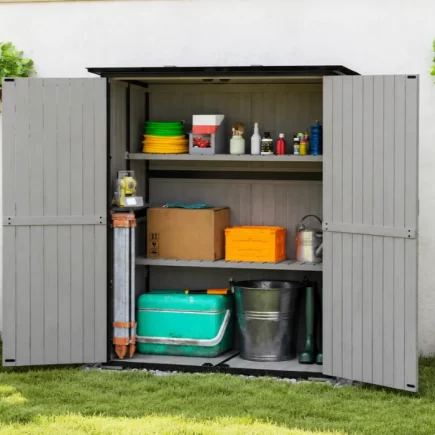
Dual-purpose buildings offer both growing space and storage for tools and supplies when space is at a premium.
Step 2: Choose the Right Size
Size directly impacts what you can grow and how comfortably you can work.
- Small greenhouses (6×4 to 6×8 feet) are perfect for starting seedlings, herbs, and small plant collections. They fit in compact yards and suit beginners testing greenhouse gardening.
- Medium greenhouses (8×10 to 10×12 feet) accommodate diverse plantings, vegetables, flowers, and herbs, while providing working space for potting and maintenance. These suit dedicated hobby gardeners.
- Large greenhouses (10×14 feet and larger) support serious production or commercial growing with specialized zones for propagation, growing, and storage.
The “Buy Bigger” Rule: Greenhouses fill up faster than you expect. If debating between two sizes, choose the larger one. You’ll appreciate the extra room as your gardening ambitions grow.
Step 3: Select Frame Materials
Your frame determines structural integrity and maintenance requirements.
- Aluminum Frames are lightweight, rust-resistant, and low-maintenance with easy assembly. These work for most home gardeners seeking durability without upkeep.
- Wood Frames offer natural aesthetics that blend with gardens but require regular sealing and rot prevention. Choose wood when prioritizing appearance and you’re willing to maintain the structure.
- Steel Frames provide maximum strength for harsh climates, handling heavy snow loads and strong winds in areas with extreme weather conditions.
- Plastic Resin Frames are budget-friendly and lightweight but less durable, suitable for small, temporary greenhouses or tight budgets.
Quality frames last 10-25 years with proper care, so check warranties before purchasing.
Step 4: Pick Your Glazing Material
Glazing affects light transmission, insulation, and durability.
- Glass Panels offer maximum light transmission (90%+) and attractive appearance but are fragile and expensive. Choose glass for display greenhouses where aesthetics matter and budget allows.
- Twin-Wall Polycarbonate provides excellent insulation with good light transmission (80%), is nearly unbreakable and UV-resistant. This is the best choice for year-round growing in cold to moderate climates.
- Triple-Wall Polycarbonate delivers superior insulation for harsh winters with moderate light transmission (70%). Use this in regions with extreme cold where heating costs are a concern.
- Polyethylene Film is affordable and easy to install but requires replacement every 3-4 years. Reserve this for hoop houses, temporary structures, or budget builds.
- Diffusion matters: Diffused glazing scatters light evenly, preventing hot spots and leaf burn. Clear glazing provides maximum light but can create temperature extremes.
Step 5: Plan for Climate Control and Ventilation
Climate control determines your greenhouse success. Your approach depends on the local climate and growing goals.
Match Your Climate
- Cold Climates (winter lows below 20°F) require twin or triple-wall polycarbonate glazing, supplemental heating systems, and possibly insulated north walls. Ensure frames are rated for 15-30 lbs per square foot snow load.
- Moderate Climates (winter lows 20-40°F) work well with twin-wall polycarbonate or glass, need minimal heating, and should balance insulation with summer ventilation.
- Hot Climates (summer highs above 90°F) should prioritize maximum ventilation over insulation. Use shade cloth (30-50% density), reflective glazing, and consider evaporative cooling for sensitive plants.
Ventilation Essentials
Without proper airflow, your greenhouse becomes a breeding ground for mold and disease.
- Roof vents release rising hot air efficiently, aim for vents covering at least 20% of floor space.
- Side vents or doors allow cool air intake at ground level, creating cross-ventilation that pulls hot air up and out.
- Automatic vent openers are temperature-activated devices that eliminate constant monitoring. These wax-cylinder mechanisms expand with heat and contract when cool, no electricity required.
- Circulation fans move air throughout the greenhouse, preventing humid dead zones and strengthening plant stems through gentle movement.
Heating and Cooling Systems
Winter heating options:
- Electric heaters: Clean and precise but higher operating costs
- Propane heaters: Cost-effective for larger spaces but require venting
- Calculate BTU needs based on greenhouse size and lowest expected temperature
Summer cooling options:
- Exhaust fans: Actively pull hot air out when passive vents aren’t enough
- Shade cloth: Reduces light intensity and heat by 30-60%
- Evaporative coolers: Effective in dry climates
- Misting systems: Provide humidity and cooling for tropical plants
Start with passive systems (well-designed vents and proper glazing), then add active controls as budget allows.
Step 6: Choose Your Foundation
Your foundation ensures stability and longevity.
- Gravel Base: Affordable with good drainage, suitable for most hobby greenhouses on level ground.
- Concrete Slab: Permanent and stable, prevents weeds and provides clean walkways for large greenhouses or permanent installations.
- Ground Anchors: Quick installation for portable structures you may relocate or use seasonally.
Step 7: Plan Your Greenhouse Location
Location affects sunlight exposure, accessibility, and plant success.
- Sunlight: Orient the longest side facing south for maximum winter sun. Ensure 6+ hours of direct sunlight daily.
- Wind Protection: Position near windbreaks (buildings, fences, hedges) but avoid shade. Wind increases heating costs and can damage structures.
- Access: Place near water sources and electrical outlets. Consider the path from your house, you’ll visit daily regardless of weather.
- Drainage: Avoid low spots where water pools. Proper drainage prevents flooding and foundation problems.
Step 8: Select Essential Accessories
Immediate needs:
- Shelving or staging for efficient space use
- Thermometer to monitor conditions
- Basic hand tools (trowel, pruners, watering can)
Valuable additions:
- Automatic watering system for consistent moisture
- Supplemental grow lights for winter or shaded locations
- Shade cloth for summer heat control
- Propagation mats for seed starting
Making Your Final Decision
Choose your greenhouse by answering these questions in order:
- What will you grow? (Determines size and climate control needs)
- What’s your climate? (Determines glazing and insulation)
- What’s your space? (Determines type and size)
- What’s your budget? (Determines materials and features)
- How much maintenance will you do? (Determines frame material and automation level)
The right greenhouse balances your current needs with room to grow. Prioritize quality framing and glazing, these determine longevity. You can always add accessories later, but replacing a poorly chosen structure wastes time and money.
Most greenhouse problems stem from three mistakes: buying too small, inadequate ventilation, and mismatched glazing for your climate. Avoid these, and your greenhouse will reward you with extended seasons, healthier plants, and years of gardening enjoyment.
FAQs
Rainwater is excellent for plants but skip the first rainfall as it washes accumulated dust. Install a first-flush diverter and use food-grade containers to prevent algae. Ensure glazing materials don’t contain harmful chemicals.
Install fine mesh screens over vents and use yellow sticky traps to monitor pests. Introduce beneficial insects like ladybugs that prey on aphids and common pests. Inspect new plants before bringing them inside to prevent infestations.
Install drip-edge channels to direct moisture to sidewalls instead of plants below. Use a vapor barrier along the roof peak or run fans to increase circulation. Address condensation quickly as it promotes fungal diseases.