


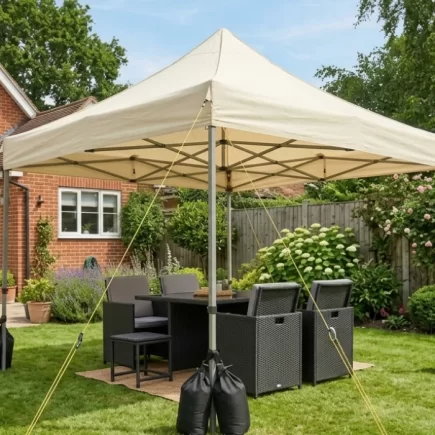















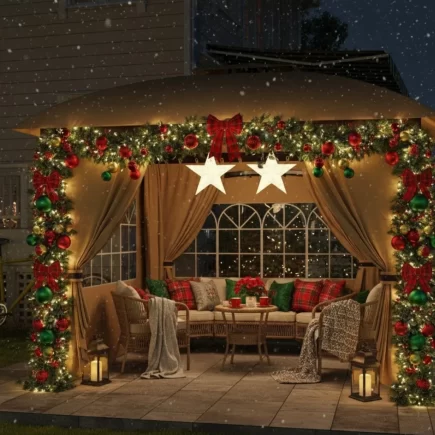
When warmer months arrive, your patio or garden becomes an extension of your home, a place to relax, entertain, and soak up the sun. Choosing the right patio furniture is crucial for creating a functional and stylish outdoor area. This guide walks you through everything you need to know, from understanding your space to selecting durable materials that match your lifestyle.

1. Understanding How You Will Use Your Patio Furniture
Before buying patio furniture, think about how you’ll use your space. Your furniture choices should align with your outdoor area’s primary function.
Common Patio Uses:
- Dining: Outdoor meals require a sturdy dining table, comfortable chairs, and space for serving dishes
- Lounging: Relaxation areas benefit from lounge chairs, hammocks, or sectional sofas
- Entertaining: Hosting guests calls for varied seating, coffee tables, and possibly a fire pit or outdoor bar
Matching Furniture to Your Lifestyle:
- Family-Friendly: Choose durable, easy-to-clean materials.
- Multi-Purpose: Modular or dual-purpose furniture (e.g., storage ottomans that double as seating).
2. Measuring Your Space and Choosing the Right Furniture Size
Proper space planning ensures your furniture fits comfortably without overcrowding.
How to Measure Your Outdoor Space:
- Get exact dimensions: Use a tape measure for length and width, accounting for irregular shapes
- Note obstacles: Identify doors, railings, columns, or planters that restrict furniture placement
- Plan clearance: Leave 24-30 inches between furniture pieces for easy movement
- Consider traffic flow: Ensure guests can walk through the space comfortably during gatherings
Selecting Appropriately Sized Furniture:
- Dining sets: Allow 24-30 inches per person at the table, plus 36 inches behind chairs for pulling them out
- Lounge seating: Opt for pieces that fit without blocking pathways
- Small spaces: Choose bistro sets, foldable chairs, or stackable pieces (typical bistro table: 20-30 inches diameter)
- Large spaces: Consider sectional sofas (typical 3-piece sectional: 90-120 inches) or multiple seating zones
3. Materials That Withstand Weather and Enhance Durability
The material determines your furniture’s lifespan, maintenance needs, and weather resistance.
| Material | Best For | Lifespan | Climate Notes |
| Aluminum | Coastal areas, hot climates | 15-20 years | Ideal for humid/sunny areas; avoid dark colors in hot climates |
| Teak Wood | All climates, classic aesthetic | 25+ years | Excellent for rainy regions; can weather naturally |
| Synthetic Wicker | All climates, modern look | 10-15 years | Works well in all weather; ensure good drainage |
| Wrought Iron | Windy areas, traditional style | 20+ years | Best for windy locations; heavy and stable |
| Powder-Coated Steel | Most climates, contemporary design | 10-15 years | Good all-around choice for most climates |
| Plastic/Resin | Budget-friendly, casual use | 5-10 years | Budget option; less durable in extreme weather |
4. Comfort and Cushion Selection
Comfort directly impacts how much you’ll use your outdoor space. When testing furniture, look for proper seat depth (15-24 inches depending on chair style), appropriate seat height (17-19 inches for standard dining, 24-26 inches for counter height, 14-16 inches for lounging), lumbar back support that follows your spine’s natural curve, and armrests that align with your relaxed elbows (typically 7-9 inches above seat).
Cushion Materials That Last:
- Solution-dyed acrylic fabric: Color goes through entire fiber, resists fading and water better than printed patterns
- Quick-dry foam: Reticulated foam drains water and dries in 1-2 hours vs. 24+ hours for standard foam
- Removable, washable covers: Essential for maintaining hygiene, look for zippered covers with machine-wash instructions
5. Style and Design That Complements Your Home
Your outdoor furniture should enhance your home’s overall aesthetic.
Style Matching:
- Modern homes: Sleek aluminum frames, synthetic wicker, neutral cushions, clean lines
- Traditional homes: Wrought iron, teak wood, ornate details, classic patterns
- Coastal homes: Light-colored wicker, rope accents, blue and white fabrics, weathered wood finishes
- Rustic homes: Natural wood, stone accents, earth tones, textured fabrics
Color Strategy:
- Neutral frames with colorful cushions: Allows easy seasonal updates without replacing furniture
- Monochromatic schemes: Creates sophisticated, cohesive look (varying shades of one color)
- Accent pieces: Add personality with colorful throw pillows that you can change seasonally
Set vs. Mix-and-Match:
- Coordinating sets: Guaranteed cohesive look, often more cost-effective
- Individual pieces: More flexibility, allows personality expression, but requires design confidence
6. Construction Quality and Safety Features
Well-constructed furniture lasts longer and provides better safety.
Quality Indicators:
- Frame construction: Look for welded joints (metal) or mortise-and-tenon joints (wood), avoid glued-only connections
- Weight capacity: Dining chairs should support 250+ lbs; sofas 500+ lbs per seat
- Stability features: Cross-bracing under seats, wide-set legs (at least 18 inches apart), non-slip feet
- Hardware: Stainless steel screws and bolts resist rust; check that all fasteners are secure
- Finish quality: Smooth surfaces without rough edges, even coating on powder-coated pieces
Assembly Considerations:
- Minimal assembly preferred: Look for furniture that requires only attaching legs or cushions
- Clear instructions: Check reviews mentioning assembly difficulty before purchasing
- Tool requirements: Most quality furniture includes necessary tools or requires only basic hex keys
7. Maximizing Small Spaces with Flexible Furniture
Limited space requires strategic furniture choices.
Space-Saving Options:
- Folding bistro sets: Store flat against wall (typical folded depth: 4-6 inches)
- Stackable chairs: Can stack 4-6 high, freeing 75% of floor space when not in use
- Nesting tables: 2-3 tables that slide under each other (saves 12-18 square feet)
- Ottoman storage: Provides seating, table surface, and hidden storage for cushions
- Wall-mounted drop-leaf tables: Fold down when needed, mount flush when not (typical size: 36 x 18 inches)
Modular Furniture Benefits:
- Reconfigurable: Rearrange for different group sizes or occasions
- Expandable: Add pieces over time as budget allows
- Easy storage: Separate pieces stack more efficiently than fixed sectionals
8. Maintenance and Seasonal Storage
Proper care extends furniture lifespan significantly.
Regular Maintenance by Material:
- Aluminum: Wipe with mild soap monthly; inspect for scratches that expose bare metal
- Teak: Apply teak oil 1-2x yearly; allow to weather naturally or sand and seal
- Synthetic wicker: Hose down weekly; check for loose strands and trim carefully
- Wrought iron: Inspect for rust spots; touch up with rust-resistant paint immediately
- Cushions: Spot clean weekly; deep clean cushions twice per season
Storage Solutions:
- Cushion storage: Waterproof deck boxes (120-150 gallon capacity for typical 6-piece set)
- Furniture covers: Heavy-duty polyester with PVC backing; ensure proper ventilation to prevent mold
- Off-season indoor storage: Garage or shed storage extends lifespan by 30-50%
- Elevation: Use furniture risers or pallets to keep furniture off ground during storage
Winter Protection Tips:
- Remove cushions and store indoors in dry location
- Cover or store furniture (even weather-resistant furniture benefits from protection)
- Tighten hardware and check all bolts before covering to prevent loosening from temperature changes
- Drain water by turning furniture upside down before covering
Selecting the right patio furniture involves balancing aesthetics, functionality, durability, and budget. By understanding your space, choosing appropriate materials for your climate, prioritizing comfort, and planning for proper maintenance, you’ll create an outdoor area that serves you well for years. Remember: quality furniture is an investment that pays dividends in enjoyment and longevity. Take your time measuring, researching, and testing before making final decisions.
FAQs
While some materials can withstand freezing temperatures, leaving furniture outside all winter reduces its lifespan. Metal furniture can experience freeze-thaw cycles that weaken joints, and moisture trapped in cushions can freeze and cause fabric tears. If you must leave furniture outside, ensure it’s completely dry, elevate it off the ground, and use breathable covers.
Use cushions with built-in ties that secure to chair frames, or add velcro strips between cushion and furniture. Cushion clips or weights sewn into cushion corners also work well. For loose throw pillows, store them in a nearby weatherproof deck box when not in use.
Yes, most patio furniture can be refinished. Metal furniture should be sanded to remove rust, primed with rust-inhibiting primer, then painted with outdoor metal paint. Wood furniture needs sanding, then staining or painting with exterior-grade products. Plastic/resin furniture requires special plastic-adhesion spray paint, and wicker can be spray-painted after cleaning.
Pets can scratch, chew, and shed on outdoor furniture. Best choices include textured synthetic wicker (hides scratches), powder-coated aluminum (scratch-resistant), and tightly woven outdoor fabrics (resists snagging). Avoid loose weave fabrics where claws can catch, and choose darker colors or patterns that camouflage pet hair.