



















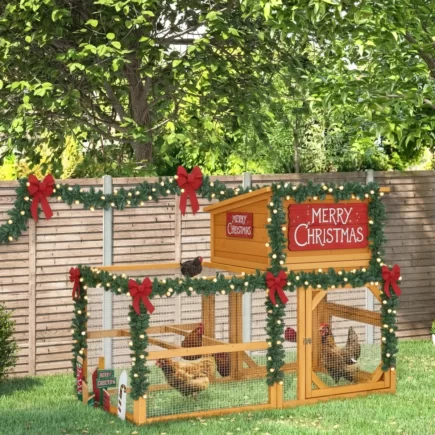



Feeding chickens may seem straightforward, but the location of your chicken feeder plays a vital role in the health and happiness of your flock. A well-placed feeder encourages consistent feeding, maintains cleanliness, reduces stress, and optimizes your chickens’ overall well-being. In this article, we’ll walk you through the best locations for your chicken feeder to create a thriving environment for your birds.
Feeder Placement for Happy and Healthy Chickens
Selecting the right location for your chicken feeder can significantly impact your flock’s health and behavior. A well-chosen feeder spot ensures that your chickens can eat comfortably, maintain hygiene, and avoid unnecessary stress or competition.
1. Inside the Coop: When and Why to Feed Indoors
Benefits of Indoor Feeding
Feeding chickens inside the coop is often a practical choice, especially in colder climates or for flocks that stay indoors during certain times of the day. It provides shelter from the elements and reduces the likelihood of pests or predators interfering with the feed.
Indoor Feeding Benefits:
- Better control over feed waste, as chickens are less likely to scatter food.
- Easier cleanup, as feed remains in a contained area.
- Helps prevent pests, like rodents and wild birds, from accessing the food.
Best Spots Within the Coop
When deciding where to place your feeder inside the coop, consider areas that offer accessibility and prevent the feed from being contaminated. Some of the ideal locations are:
- Near the entrance: This allows chickens to approach easily, especially in larger coops.
- On a raised platform or shelf: This keeps food off the ground, reducing the risk of contamination from bedding or manure.
Height and Spacing Requirements
The height of the feeder should be adjusted according to the size of the chickens. For adult chickens, a feeder height of about 12–18 inches is optimal. Ensure there is enough space between the feeder and the walls or other objects to prevent overcrowding. Aim for at least 1 foot of feeder space per 4–5 chickens.
2. In the Chicken Run: Outdoor Feeding Advantages
Why the Run Works Well for Feeders
The chicken run can also be an ideal location for your feeder, especially if your chickens are allowed to roam outdoors for part of the day. Outdoor feeding allows the birds to eat more naturally, without the confined space of the coop.
Outdoor Feeding Benefits:
- Promotes natural behaviors like foraging.
- Allows chickens to access fresh air and sunshine while they eat.
- Helps keep the coop cleaner by reducing food spillage indoors.
Placement Away from High-Traffic Zones
Place your feeder away from areas where chickens frequently gather for other activities, like dust bathing or scratching. Avoid placing it in the path to nesting boxes, as this could create unnecessary competition or stress.
3. Away from Roosting Bars and Perches
The Contamination Problem
Chickens tend to roost on bars or perches at night, and during the day, they may rest or lounge on them. Placing the feeder too close to these areas can lead to contamination. Chickens may drop droppings or bedding into the feed, making it unappetizing and unsafe.
Safe Distance Requirements
To keep the feeder clean, place it at least 2–3 feet away from the roosting bars. This allows enough space for the chickens to comfortably access the food without being in close proximity to their waste areas.
Alternative Placement Options
If you have limited space, consider using hanging feeders or suspended troughs that can be positioned away from the ground level. These options keep food elevated and out of reach of contaminants.
4. Away from Waterers: The Separation Rule
Why Distance Matters
Placing the waterer and feeder too close together can lead to feed becoming wet, which can attract mold and pests. Additionally, chickens may knock over the waterer while eating, creating a mess that can result in spoiled feed.
Recommended Spacing Guidelines
Aim to place your feeder at least 3 feet away from the waterer. This ensures both the water and the food stay clean and dry, and it allows your chickens to focus on one task at a time.
Preventing Wet and Moldy Feed
To further protect your feed, use waterproof, covered feeders that help keep moisture out. Additionally, check the waterer daily to ensure it’s clean and functioning properly, preventing unnecessary spillage near the feeder.
5. Away from Nesting Boxes
Keeping Egg-Laying Areas Clean
It’s crucial to place the feeder at a distance from nesting boxes to avoid contamination of eggs with food or bedding. The chickens may also feel stressed if they have to compete for space in areas used for both eating and laying.
Stress Reduction for Laying Hens
Laying hens need a peaceful, undisturbed environment to lay their eggs. Keeping the feeder away from nesting boxes ensures that the chickens can eat without feeling crowded or stressed.
Minimum Distance Recommendations
We recommend placing the feeder at least 3 feet away from the nesting boxes to create a calm, spacious area for both activities.
6. On Raised Platforms or Elevated Surfaces
Benefits of Elevation
Raising the feeder off the ground offers several benefits, including reducing exposure to pests, keeping food cleaner, and making it easier for chickens to access. Elevated feeders also discourage chickens from scattering food on the ground.
DIY Platform Ideas
If you have a small chicken coop, you can build a DIY raised platform using scrap wood or repurposed materials. Platforms should be about 12–18 inches high for adult chickens.
Height Recommendations by Breed
Some chicken breeds are more adept at reaching elevated surfaces. For smaller or bantam chickens, a 12-inch platform may be sufficient, while larger breeds might require platforms closer to 18 inches.
7. Along the Fence Line or Wall
Stability Advantages
Mounting your chicken feeder along a wall or fence line helps to stabilize the feeder and prevent it from tipping over. It’s an ideal option for areas with high winds or lots of movement.
Mounting Options
Use brackets, hooks, or wall-mounted trays to keep the feeder secure. This setup works especially well in small places where space is limited.
Space-Saving Strategies
By mounting the feeder along a wall or fence, you can save valuable floor space and create a cleaner, less cluttered space.
Seasonal Relocation Tips
During colder months, you may want to relocate the feeder to a more sheltered spot. Moving it under a covered area or closer to the coop during winter helps protect the feed from snow and freezing temperatures.
8. Multiple Feeder Locations for Larger Flocks
Spacing Strategy for Multiple Feeders
For larger flocks, you may need multiple feeders to ensure that all chickens have enough space to eat without competing. Ideally, place feeders in opposite corners or different areas within the space to allow for equal access.
Reducing Competition and Bullying
Feeding time can be a stressful experience if there is too much competition for space. Spread the feeders out to prevent dominant chickens from bullying others. A good rule of thumb is to provide 1 feeder for every 8–10 chickens.
Corner vs Center Placement
Place at least one feeder near the center of the run to give chickens easy access. Additional feeders should be placed in corner spots to allow all birds to access food without interference.
Locations to Avoid: Where NOT to Put Your Feeder
Direct Ground Placement Problems
Avoid placing the feeder directly on the ground. Ground placement can lead to contamination from dirt, feces, and other environmental factors. It can also encourage waste and mess.
Too Close to Manure or Composting Areas
Feeders should never be placed near areas that collect manure or compost. These areas attract pests and can cause contamination.
High-Traffic Walkways
Avoid placing the feeder in areas that are frequented by humans or other animals. High-traffic areas increase the likelihood of feed contamination and make it harder for chickens to access their food peacefully.
Areas Prone to Flooding or Pooling Water
Ensure that the location is not near low-lying areas where water can pool. Standing water can ruin feed and create an unhealthy environment for your chickens.
Testing and Adjusting Your Feeder Location
Signs Your Location Isn’t Working
If you notice that chickens are avoiding the feeder, making a mess, or that the feed is getting wet or contaminated, it may be time to adjust the feeder’s location.
When to Relocate Feeders
Consider relocating the feeder if you notice that chickens are fighting for space, if feed is consistently wasted.
Fine-Tuning for Your Specific Setup
Adjust the placement according to your flock’s size, breed, and the conditions of your chicken space. With a bit of trial and error, you’ll find the best spot that works for your setup.
The right location for your Chicken Feeder can make a significant difference in feed consumption, hygiene, and overall flock dynamics. Whether inside the coop, on the run, or under a covered area, choosing the right spot reduces food waste and enhances the feeding experience. Keep experimenting with different placements to find what works best for your specific setup.
FAQs
1. What type of chicken feeder is best for a small flock?
For a small flock, a hanging feeder or a simple gravity-fed feeder works best. These feeders are easy to maintain, reduce food waste, and ensure chickens have constant access to fresh feed. They also help prevent contamination and can be hung off the ground to keep food cleaner.
2. What type of chicken feeder reduces waste?
Trough-style or tube feeders are ideal for reducing waste. These designs limit how much food chickens can spill while feeding, ensuring that most of the feed stays inside the feeder. A covered or enclosed design also prevents the feed from getting wet or contaminated by the environment.
3. How do I keep my chicken feeder clean?
To keep your chicken feeder clean, place it in a dry, sheltered spot to minimize dirt and moisture exposure. Regularly remove leftover feed, and wipe down the feeder with a food-safe disinfectant. Clean the feeder thoroughly every week to prevent mold and bacteria growth.