
























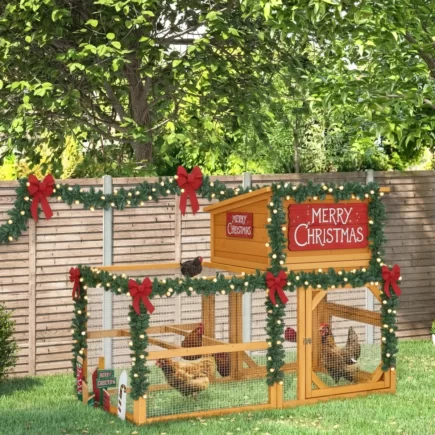



Creating a well-equipped chicken run is one of the most important steps you can take to protect your flock’s health, safety, and happiness. A chicken run is more than just a fenced area, it’s a daily living space where chickens eat, drink, forage, exercise, dust bathe, and socialize. What you put inside that space directly affects egg production, cleanliness, stress levels, and long-term wellbeing.
Essential Setup for a Healthy, Happy Flock
A chicken run must support cleanliness, feeding, hydration, enrichment, and weather protection. This guide explains every essential item to include so your flock stays comfortable, productive, and protected.
1. Ground Cover: What to Put on the Floor of Your Chicken Run
The floor of your chicken run affects hygiene, odor control, drainage, and foot health. Choosing the right ground cover is one of the most important decisions.
Common Chicken Run Flooring Options
| Ground Cover Type | Benefits | Drawbacks | Best Use Case |
| Sand | Drains well, easy to rake, low odor | Can get hot in summer | Dry climates, easy cleaning |
| Wood chips | Natural, good cushioning | Can retain moisture | Covered runs |
| Straw or hay | Insulating, inexpensive | Molds easily when wet | Temporary or winter use |
| Pea gravel | Excellent drainage, durable | Hard surface, heavier | Wet areas |
| Rubber mats | Easy to clean, reusable | Requires cleaning underneath | Small runs |
| Concrete + bedding | Predator-proof, durable | Needs bedding layer | Permanent runs |
Best practices
- Use 2–4 inches of sand or chips for cushioning.
- Avoid bare dirt, which quickly becomes muddy and unsanitary.
- In wet climates, prioritize drainage over softness.
- Many keepers use mixed substrates, such as gravel under sand, for better performance.
2. Feeders: What Types to Put in Your Run
Chicken Feeders keep food clean, dry, and accessible while reducing waste and pests.
Common Feeder Types
| Feeder Type | Advantages | Considerations |
| Hanging tube feeders | Reduces waste, clean feed | Must adjust height |
| Trough feeders | Easy access | More feed waste |
| Automatic feeders | Consistent supply | Higher cost |
| PVC pipe feeders | DIY, low waste | Needs secure mounting |
How many feeders to use
- Provide at least one feeder per 6–8 chickens.
- Larger flocks benefit from multiple feeding stations to reduce bullying.
Placement tips
- Hang feeders at back height of the birds.
- Keep Chicken Feeders dry and shaded.
- Avoid placing directly on the ground.
3. Waterers: Essential Drinking Systems to Add
Clean, constant access to water is critical for egg production and temperature regulation.
Popular Waterer Options
| Waterer Type | Best For | Notes |
| Gravity waterers | Small to medium flocks | Easy to refill |
| Nipple systems | Clean water | Requires training |
| Cup waterers | Less spill | Regular inspection |
| Automatic waterers | Large flocks | Needs water source |
| Heated waterers | Winter climates | Prevents freezing |
Waterer guidelines
- One waterer per 6–10 chickens.
- Place in shade to keep water cool.
- Elevate slightly to prevent contamination.
4. Dust Bath Containers: Parasite Control Essentials
Dust bathing is a natural behavior that helps chickens control mites and lice.
Dust Bath Container Ideas
- Plastic storage tubs
- Wooden boxes
- Old tires
- Ground-level framed areas
Dust bath mixture
- Fine sand (base)
- Wood ash (small amount)
- Food-grade diatomaceous earth (optional)
Keep the dust bath dry and sheltered for year-round use.
5. Perches and Roosting Bars to Install
Even though chickens sleep in the coop, perches in the run give them places to rest and observe.
Perch Options
- Natural tree branches
- 2×4 lumber (flat side up)
- Ladder-style roosts
- A-frame structures
- Swing perches
Spacing guidelines
- 12–18 inches per bird
- At least 12 inches between perches
- Avoid placing directly above feeders or waterers
6. Enrichment Items: Toys and Entertainment to Add
Bored chickens are more likely to peck, fight, or escape. Enrichment keeps them mentally stimulated.
Popular Enrichment Items
- Chicken swings
- Hanging cabbage or treat balls
- Mirrors
- Xylophone toys
- Logs, stumps, and large rocks
- Ladders and ramps
- Treat-dispensing toys
Rotate toys regularly to maintain interest.
7. Plants and Vegetation: Natural Additions for Your Run
Plants provide shade, enrichment, and natural insect control.
Chicken-Safe Plants
- Herbs: oregano, thyme, basil, mint
- Sunflowers
- Grasses and clover
- Small shrubs for shade
Use potted plants if chickens destroy ground plantings. Avoid toxic plants like foxglove or daffodils.
8. Containers and Accessories to Include
Small accessories support nutrition and organization.
| Item | Purpose |
| Grit container | Digestion aid |
| Oyster shell feeder | Calcium source |
| Herb drying rack | Natural supplements |
| Feed storage bins | Pest control |
| First aid kit station | Emergency care |
| Tool hooks | Organization |
9. Seasonal Items: What to Put in Throughout the Year
Summer
| Item | Purpose | How It Helps Chickens |
| Extra waterers | Increase water access | Prevents dehydration and reduces heat stress |
| Frozen treat blocks | Cooling and enrichment | Helps chickens cool down while staying active |
| Shade extensions | Sun protection | Lowers exposure to direct sunlight and heat |
| Cooling stones | Temperature regulation | Provides a cool surface for resting and standing |
Winter
| Item | Purpose | How It Helps Chickens |
| Heated waterer bases | Prevent freezing | Ensures continuous access to liquid water |
| Windbreaks | Block cold air | Protects chickens from harsh winter winds |
| Extra bedding | Insulation | Keeps feet warm and improves run comfort |
| Snow protection covers | Weather shielding | Keeps snow out and maintains usable space |
What NOT to Put in Your Chicken Run
- Toxic plants (yew, foxglove, nightshade)
- Sharp metal or broken plastic
- Treated or pressure-treated wood
- Chicken wire as sole fencing
- Cedar shavings
- Lead-painted objects
- Small choking hazards
- Moldy bedding or food
Regular inspections help keep the run safe.
A thoughtfully arranged Chicken Run goes beyond individual items and focuses on how everything works together day after day. Small adjustments in layout, maintenance, and seasonal planning can make a noticeable difference in flock behaviour and overall balance. By observing how your chickens use the space, you can refine the run over time to better suit their natural routines. A well-managed run ultimately becomes easier to maintain while supporting a calmer, more resilient flock.
FAQs
1. How big should a chicken run be for 10 chickens?
A chicken run should be at least 100 square feet for 10 chickens, with 10 square feet per bird being the minimum recommended. If possible, more space is always better, as it allows chickens to roam, forage, and exercise comfortably. A larger run also reduces stress and encourages natural behaviors.
2. How do I keep the chicken run clean?
To keep the chicken run clean, use absorbent bedding like wood chips or straw, and regularly remove manure and soiled bedding. Consider using a deep litter method to manage waste and control odors. Raking the floor and adding fresh bedding often helps maintain a clean, healthy environment.
3. How do I keep my chicken run from smelling?
To prevent odors in your chicken run, choose bedding that absorbs moisture such as wood shavings, straw, or sand. Regularly remove manure, keep water sources clean, and consider using diatomaceous earth to help control smell and reduce parasites. Good airflow also prevents damp, musty conditions.
4. What is the best time of day to let chickens into their run?
The best time to let chickens into their run is after sunrise when they can forage and exercise. Chickens should be returned to their coop before sunset to ensure they have enough time to roost. A consistent routine helps them feel secure and keeps them safe from predators.