


















If you’re shopping for an exercise bike, you already know the benefits of low-impact cardio, convenient home workouts, and a machine that fits nearly any fitness level. But with so many options out there, picking the right one feels overwhelming. This blog breaks it all down so you can buy smart and ride confidently.
1. Start With Your Fitness Goal and Available Space
Before anything else, get clear on why you’re buying an exercise bike. Are you losing weight, building endurance, recovering from an injury, or training hard? Your goal directly determines which bike type suits you best.
Also measure your space before you shop. A dedicated home gym handles a full-size spin bike, but a bedroom or apartment needs something compact or even foldable.
Quick space guide:
- Small space (under 20 sq ft): Folding or compact upright bikes.
- Medium space (20–40 sq ft): Most upright and recumbent bikes.
- Dedicated gym space: Spin or air bikes with full footprint.
2. Bike Types Compared: Upright, Recumbent, Spin, and Air
Each bike type serves a different rider and a different workout style. Understanding the differences helps you avoid buying something that doesn’t match how you plan to train. Take a moment to match your lifestyle to the right category before looking at price or features.
- An upright bike mimics outdoor cycling in a vertical position great for general cardio.
- A recumbent bike offers a reclined seat with back support, ideal for seniors or anyone in rehabilitation.
- A spin bike is built for intensity with a heavy flywheel and aggressive position.
- An air bike delivers a full-body challenge that gets harder the more effort you put in.
| Bike Type | Best For | Riding Position | Intensity Level |
| Upright | General fitness, casual riders | Vertical | Moderate |
| Recumbent | Seniors, back pain, rehab | Reclined | Low to Moderate |
| Spin | Athletes, HIIT, weight loss | Forward-leaning | High |
| Air (Fan) Bike | Full-body conditioning | Upright with arm handles | Very High |
3. Resistance Mechanisms and Why They Matter
Resistance is what makes your workout harder, and how it’s delivered changes the entire riding experience. Most bikes use friction, magnetic, or air-based resistance each with its own trade-offs. Choosing the right type impacts noise, durability, and how smooth each ride feels.
- Friction resistance uses a physical pad against the flywheel affordable but wears out over time.
- Magnetic resistance uses magnets with no contact, making it nearly silent and maintenance-free.
- Air resistance intensifies with your effort but generates noticeable noise, making it less ideal for shared spaces.
4. Weight Capacity and Matching the Bike to Your Body
Every exercise bike carries a maximum weight rating, and exceeding it shortens the bike’s life and affects stability. Always choose a bike rated at least 20–30 lbs above your actual body weight for a safe, comfortable margin. Taller riders should also check seat height and leg extension range before buying.
| User Weight Range | Recommended Minimum Capacity |
| Under 200 lbs | 250 lbs |
| 200–250 lbs | 300 lbs |
| 250–300 lbs | 350 lbs |
| 300+ lbs | 400 lbs or heavy-duty models |
5. Seat and Handlebar Adjustability Explained
A poorly fitted bike leads to knee pain, back strain, and sessions you’ll start skipping quickly. Adjustability is one of the most important features to check, especially if more than one person will be using the bike. A proper fit makes every ride more comfortable and far more effective.
Look For These Adjustments Before Buying:
- Vertical seat adjustment for leg length.
- Horizontal seat adjustment to align knees over pedals.
- Handlebar height to reduce shoulder and wrist strain.
- Multi-grip handlebars for natural position changes mid-ride.
6. Folding Designs and Footprint for Small Spaces
If space is tight, a folding exercise bike is a practical solution that collapses vertically after each use. These bikes can be rolled into a corner or tucked under a bed without much effort. They’re ideal for apartment living or any room that serves multiple purposes throughout the day.
What to check before buying a folding bike:
- Folded and unfolded dimensions verify both.
- Transport wheels for easy moving without lifting.
- Frame stability when fully open under your effort.
- Weight capacity folding models sometimes rate lower than standard bikes.
7. Display and Console Features Worth Having
A well-designed console keeps you informed and motivated throughout every ride. You don’t need a touchscreen, but you do need clear, readable data during your workout. The right metrics help you push harder, stay consistent, and track real progress over time.
Features that genuinely improve your experience:
- Time, speed, distance, calories, and RPM on a clear display.
- Heart rate monitoring via grip sensors or chest strap compatibility.
- Preset programs like intervals, fat burn, or custom targets.
- Backlit screen for early morning or low-light sessions.
8. Connected Classes vs. a Simple Console
Smart bikes that stream instructor-led classes offer structure and motivation that many riders find hard to replicate alone. However, they come with ongoing subscription costs on top of the upfront purchase price. A basic console bike requires no fees, no internet, and no platform just you and your workout.
| Feature | Connected Bike | Basic Console Bike |
| Monthly cost | Varies by platform | None |
| Class variety | Hundreds, live and on-demand | None self-guided |
| Upfront cost | Generally higher | Generally lower |
| Internet required | Yes | No |
9. Noise Level for Shared Living Spaces
Noise is one of the most overlooked factors when buying an exercise bike until you’re riding at 6 a.m. and waking the whole household. The two main noise sources are the resistance type and the drive system connecting your pedals to the flywheel. Getting this right matters just as much as resistance levels or seat comfort.
- Quietest: Magnetic resistance with a belt drive.
- Moderate: Chain drive bikes sound similar to a real road bicycle.
- Loudest: Air bikes not suited for apartments or shared walls.
10. Accessories That Add Real Workout Value
A few affordable additions can turn a basic bike session into a complete, comfortable experience. You don’t need everything right away, but starting with the right extras makes an immediate difference. Most riders who skip accessories early end up adding them within the first month anyway.
- Padded seat cover reduces soreness on hard saddles during long rides
- Anti-slip mat stabilizes the bike and protects your floor
- Tablet or phone holder keeps content accessible hands-free
- Water bottle cage keeps hydration within reach during intense sessions
Final Checklist Before You Buy
Run through this before placing your order. It takes two minutes and prevents costly returns. A little due diligence upfront saves you from the frustration of a bike that doesn’t fit your body, space, or routine.
- Does the bike type match your actual fitness goal?
- Does the weight capacity exceed your body weight by 20–30 lbs?
- Are the seat and handlebars adjustable for your height?
- Does the footprint fit your space folded and unfolded?
- Is the resistance type suited to your noise tolerance?
- Does the console show the metrics you care about?
- Have you factored in subscription costs for a smart bike?
- Is customer support and parts availability confirmed?
Choosing the right Exercise Bike comes down to matching features with your personal needs, space, and training style. A well-informed choice ensures better comfort, safety, and long-term consistency in your workouts. By focusing on key factors like resistance, adjustability, and noise level, you can avoid costly mistakes. The right setup helps you stay motivated and achieve your fitness goals more efficiently.
FAQs
Calorie burn depends on your weight, workout intensity, and duration. A moderate 30-minute session can burn around 200-400 calories, while high-intensity rides may burn even more. Consistency matters more than speed for long-term results.
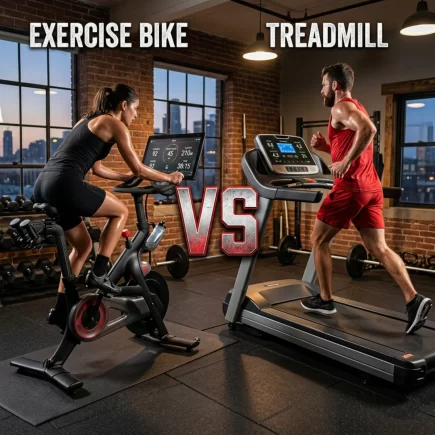
Both are effective, but an exercise bike generally burns more calories in less time and puts less stress on the joints. Walking is easier to maintain daily, while cycling offers adjustable intensity for faster cardiovascular improvements.
Beginners can start with 15–20 minutes per session, three to five times per week. As endurance improves, sessions can gradually increase to 30-45 minutes. Starting slowly helps prevent soreness and improves consistency.