
























Choosing a massage chair is about more than adding another piece of furniture to your home. The right model should match your comfort needs, body type, and daily routine while providing long-term value. Understanding the key features before buying makes it easier to choose a massage chair that delivers lasting relaxation and comfort.
1. Massage Techniques and Roller Coverage Across the Neck, Back, and Lumbar
The roller system is the heart of any massage chair, and coverage matters just as much as technique variety. Chairs with 3D or 4D rollers move both side to side and in and out, mimicking the pressure of human hands far more closely than flat 2D rollers.
Look for models that track the S-shape or L-shape of the spine, since this allows rollers to maintain consistent contact from the neck down through the lumbar region. A chair that only covers the mid and lower back leaves the neck and shoulders underserved, which is often where tension builds up the most.
| Technique | Best For |
| Kneading | Releasing tight muscle knots with thumb-like pressure. |
| Tapping | Rhythmic percussion that stimulates blood flow. |
| Shiatsu | Firm, targeted pressure on specific points. |
| Rolling | Warming up muscles before deeper massage work. |
2. Foot and Calf Massage Features Enhance Full-Body Relief
A chair that stops at the back ignores one of the most fatigued areas of the body after a long day. Foot and calf massage modules, often using airbags or rollers, extend relief to the areas that carry the most standing and walking strain.
Airbag compression chambers inflate and deflate around the calves and feet, creating a squeezing sensation that supports circulation. Some higher-end models add rotating foot rollers at the base, targeting the soles for a reflexology-style effect.
Shoppers should check whether the footrest is fixed-length or extendable, since one that doesn’t adjust may leave shorter users with gaps or taller users with their feet hanging off the edge.
3. Body Fit Depends on Height and Weight Capacity
Comfort depends heavily on whether the chair is actually sized for the user. Manufacturers typically list a recommended height range, and sitting outside that range can mean rollers miss key pressure points entirely.
Weight capacity is equally important, not just for comfort but for the chair’s mechanical longevity. A chair pushed near or beyond its rated capacity will wear out its motors and airbags faster.
| Fit Factor | Why It Matters |
| Height range | Determines whether rollers align with neck, back, and lumbar curves. |
| Weight capacity | Affects motor strain, airbag durability, and recline stability. |
| Seat width and depth | Impacts comfort for broader or petite body types. |
| Armrest width | Should comfortably fit the arms without pinching. |
Tip: measure the intended user’s height beforehand and compare it directly against the manufacturer’s chart, rather than assuming “one size fits most.”
4. Zero Gravity Recline and Room Space Requirements
Zero gravity positioning reclines the chair so the legs are elevated to roughly the same level as the heart, distributing body weight evenly and reducing spinal pressure. This position, borrowed from astronaut training, is one of the most requested features in modern massage chairs.
Not all zero gravity chairs recline the same way, though. Some use space-saving technology that slides the chair forward as it reclines, needing only a few inches of clearance from the wall, while traditional models require significantly more room to fully extend backward.
Before buying, measure the intended space and confirm the manufacturer’s listed wall and ceiling clearance, especially in rooms with low ceilings or tight corners.
5. Heating Features Support Circulation and Muscle Relief
Built-in heating elements, usually placed in the lumbar or calf area, work alongside the massage rollers to relax muscles more effectively. Heat increases blood flow to the targeted area, which can make kneading and shiatsu techniques feel deeper and more therapeutic.
Not every chair heats the same zones, so it’s worth confirming exactly where the heating pads sit. Lower back heating tends to be the most common and most requested, since lumbar tension is a frequent complaint among users who sit for long hours.
6. Upholstery Material Options: PU Leather and Genuine Leather
The upholstery affects comfort, cleaning, and long-term durability, so it deserves as much attention as the mechanical features. PU leather, a synthetic alternative, tends to cost less and wipes down easily, making it a practical choice for households with pets or children.
Genuine leather offers a softer feel and tends to age more gracefully with proper care, but it typically comes at a higher price point and requires more upkeep to prevent cracking over time.
| Feature | PU Leather | Genuine Leather |
| Cost | More affordable | Higher price point |
| Maintenance | Wipes clean easily | Needs regular conditioning |
| Breathability | Less breathable | Feels cooler over long sessions |
| Durability | Prone to wear over years | Ages gracefully with care |
| Best for | Pets, kids, budget-conscious buyers | Long-term investment, premium feel |
7. Bluetooth Audio and Ambient Lighting Enhance the Experience
Many modern massage chairs include built-in Bluetooth speakers, allowing users to pair a phone and play music or guided relaxation audio during a session. This small addition can noticeably change how immersive the experience feels.
Ambient lighting, often built into the chair’s frame or base, adds a calming visual element that some users find enhances relaxation, particularly in a dimly lit room. These features aren’t essential to the massage function itself, but they add to the overall at-home spa atmosphere.
8. Color and Style Options Suit Different Interiors
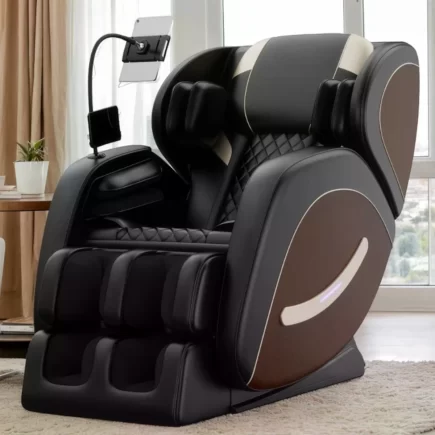
Massage chairs are large pieces of furniture, so how they look in a room matters as much as how they perform. Neutral tones like black, gray, and brown tend to blend easily into most living rooms and home offices without dominating the space.
Bolder colors or two-tone designs can work well in dedicated wellness rooms or larger spaces, where the chair can stand out as a feature piece rather than compete with existing decor.
Tip: bring a photo of the intended room when shopping in person, or check dimensions and color swatches carefully when buying online, since upholstery can look different under studio lighting versus natural home lighting.
Common Mistakes to Avoid When Buying a Massage Chair
Even well-informed shoppers can overlook a few key details that affect long-term satisfaction. Reviewing this list before finalizing a purchase can help avoid disappointment.
- Skipping the height and weight chart, which often leads to poor roller alignment.
- Underestimating recline space, resulting in a chair that can’t fully extend in the intended spot.
- Focusing only on massage strength while ignoring roller coverage across the neck and lumbar.
- Choosing upholstery based on looks alone without considering cleaning needs or climate.
- Overlooking warranty terms, particularly for motors and airbags, which see the most wear over time.
Choosing the right massage chair means finding a model that suits your body, available space, and everyday comfort needs. Looking beyond the feature list and considering long-term practicality helps you make a more confident decision. With a wide range of options available at Aosom, a well-chosen chair can provide consistent relaxation, comfort, and lasting value for years to come.
FAQs
Most people can safely use a massage chair for 15 to 30 minutes per session, three to four times a week. Daily use may also be suitable for some users if the intensity is comfortable. Following the manufacturer’s recommendations helps prevent overuse.
A massage chair can be worthwhile if you regularly experience muscle tension or want a convenient way to relax at home. It offers repeated use without booking appointments and may provide long-term value compared to frequent professional massages.
A quality massage chair typically lasts between 8 and 15 years, depending on its build quality, usage, and maintenance. Keeping it clean and using it according to the manufacturer’s guidelines can help extend its lifespan.
Many massage chairs are designed to target common tension areas such as the back, neck, and shoulders. While they may help reduce everyday muscle stiffness, they are not a replacement for medical treatment or professional healthcare advice.