





























The best thing to put under a bird cage is unprinted paper, butcher paper, plain newspaper, or paper towels are your top choices. These materials are safe, absorbent, economical, and make it easy to spot problems with your bird’s health. Avoid cedar, pine, gravel, and corncob bedding entirely, as they’re toxic or dangerous to birds.

What to Put Under Bird Cage: The Best Options
Paper-based liners are the gold standard for bird cage bottoms. Unprinted butcher paper, plain black-and-white newspaper, and paper towels are safe, economical, and widely recommended by avian veterinarians.
Unprinted Butcher Paper (Kraft Paper)
Butcher paper is the top choice for permanent cage setups. You can buy it in bulk rolls from restaurant supply stores and cut it to fit your cage. The bright white surface makes it easy to see what’s happening on the cage floor, and it costs just pennies per day.
Because it’s unprinted, there’s no ink risk. It’s also durable enough to last a full day without tearing, even under an active bird’s feet.
Plain Black-and-White Newspaper
Newspapers are highly absorbent and cost-effective. The key is using only plain text pages, avoid glossy, colored sections and comics, as the inks can be harmful if your bird chews them.
Plain newspaper works particularly well if you have multiple birds or larger cages, since you likely have it on hand already.
Paper Towels
Paper towels are ideal for smaller cages, temporary setups, or birds that need frequent liner changes. They’re absorbent, safe, and require no preparation, just unfold and place.
The trade-off is cost; for permanent use in large cages, paper towels become expensive compared to bulk paper options.
Commercial Pre-Cut Cage Liners
Quilted paper liners come pre-sized for standard bird cages, saving you time cutting and fitting. They typically offer superior absorbency and odor control compared to basic paper. You can find a variety of these liners and other bird care supplies at Pawhut.
However, they cost more per use than bulk butcher paper, so they’re best for owners who prioritize convenience over cost.
What NOT to Put Under Bird Cage: Materials to Avoid
Never use cedar, pine, gravel, sand, corncob, or walnut shells. These materials are toxic, cause foot injuries, or create serious health hazards if ingested.
Cedar and Pine Shavings
Cedar and pine emit toxic oils that damage bird respiratory systems. Even “kiln-dried” versions remain harmful, the drying process doesn’t eliminate the toxins. Birds exposed to these woods develop respiratory problems quickly.
Gravel and Sand Bedding
Gravel and sand are marketed to trim beaks naturally, but they actually cause painful foot injuries and bumblefoot (infected foot pads). Additionally, birds naturally peck at bedding, and ingesting grit causes intestinal blockages that are often fatal.
Corncob and Walnut Shells
These organic materials absorb moisture from spilled water and fresh foods, then develop mold rapidly. Moldy bedding causes serious respiratory infections in birds. Corncob also breaks down into fine dust that damages bird lungs.
How to Set Up Your Bird Cage Liner
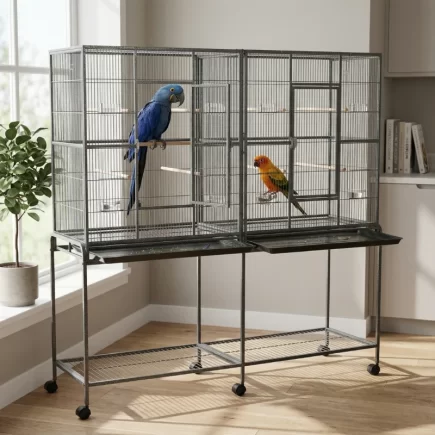
Place your paper liner underneath the cage’s metal grate, never directly on the cage floor. This prevents your bird from walking on soiled paper or ingesting waste, which is critical for maintaining hygiene and preventing infections.
The metal grate is an essential component of proper cage setup. Most bird cages come with a removable grate designed specifically for this purpose. The grate creates a barrier between your bird and the soiled bedding below, keeping your feathered companion elevated and clean throughout the day.
Step-by-Step Setup Instructions
Step 1: Measure your cage’s interior dimensions, particularly the width and depth of the floor space beneath the grate.
Step 2: Cut your chosen paper material (butcher paper, newspaper, or paper towels) to fit snugly under the grate. It should cover the entire floor but not bunch up or create wrinkles where debris can hide.
Step 3: Place the paper liner flat on the cage bottom, ensuring it lies smooth and flat.
Step 4: Lower the metal grate into place, securing it according to your cage’s design. The grate should sit firmly, not loose or rattling.
Step 5: Verify your bird cannot access the paper directly. Check the sides and corners to ensure the grate fully covers the liner.
Quick Comparison: Paper Liner Options
| Material | Durability | Setup Time | Best For |
| Butcher Paper | Excellent | 2 min | Large cages, budget-conscious owners |
| Newspaper | Good | 2 min | Multiple birds, cost-sensitive setups |
| Paper Towels | Fair | 1 min | Small cages, frequent changes |
| Commercial Liners | Excellent | 0 min | Multi-cage households, time-saving |
Choosing what to put under your bird cage comes down to one simple answer: unprinted paper. Butcher paper, plain newspaper, or paper towels are safe, affordable, and effective. Avoid toxic materials like cedar, pine, gravel, and corncob entirely, they cause respiratory disease, foot infections, and serious health complications.
The setup takes minutes, place your paper liner under the metal grate and replace it daily. Start today with your preferred option, and you’ll notice your bird thriving in a clean, healthy environment. That’s it, straightforward, effective, and essential for your bird’s wellbeing.
Ready to find the perfect cage for your feathered friend? Explore a wide selection of bird cages designed for safety and comfort at Aosom.
FAQs
Plain butcher paper, kraft paper, or unprinted paper is one of the most affordable and practical options for bird cages. It absorbs droppings well, is easy to replace every day, and makes it simple to monitor your bird’s waste for signs of illness.
It’s best to avoid newspapers with colored ink, glossy pages, advertisements, or comics because they may contain chemicals that aren’t safe if chewed. If using newspaper, stick to plain black-and-white text pages and replace them with fresh sheets daily.
Yes, a metal grate is recommended because it keeps your bird separated from droppings, spilled food, and damp paper. This helps maintain a cleaner environment, reduces contact with waste, and supports better hygiene inside the cage.
Aspen is generally considered safer than cedar or pine because it doesn’t contain the same aromatic oils. However, plain paper liners remain the preferred choice since they produce less dust, are easier to clean, and allow you to monitor droppings.
Replace your bird’s cage liner every day to maintain a clean and healthy environment. If it becomes wet, heavily soiled, or has food buildup before then, change it immediately to reduce odors and help prevent bacterial growth.