






















Weed barrier fabric is one of the most effective tools for keeping your yard low maintenance, but only if it goes in the right spots. Placed correctly, it blocks sunlight from weed seeds and stops roots from pushing through your mulch, gravel, or pavers.
This guide breaks down exactly where the weed barrier belongs, what it does for each specific area, and how to avoid common installation errors.
1. Flower Beds and Ornamental Areas
Flower beds with permanent plantings are one of the best places to install weed barrier. It creates a physical block between the soil and whatever you layer on top, whether that’s mulch or decorative rock.
Here’s what it does for this space:
- Cuts down significantly on hand weeding around perennials and shrubs.
- Keeps beds looking neat and tidy between seasonal cleanups.
- Reduces competition for water and nutrients so ornamental plants grow stronger.
- Saves hours of maintenance time over a full growing season.
Quick tip: Cut small X-shaped slits for each plant instead of large holes. This keeps more of the fabric intact and blocks weeds more effectively around the base of each plant.
2. Around Trees, Shrubs, and Raised Beds
For trees and shrubs, weed barrier works best as a ring around the base rather than a full sheet, allowing rain to still reach the roots while blocking weeds nearby.
Placing it here helps in a few specific ways:
- Protects tree trunks and shrub bases from accidental mower or trimmer damage.
- Prevents grass and weeds from stealing nutrients from young root systems.
- Keeps raised bed edges clean and free of creeping grass.
- Cuts down on tight, awkward trimming work around trunks.
| Location | Barrier Type | Notes |
| Tree base | Ring cutout | Leave 2-3 inches around trunk |
| Shrub bed | Full sheet with slits | Combine with mulch on top |
| Raised bed (ornamental) | Bottom liner | Not needed for edible gardens |
3. Under Mulch
Mulch and weed barrier work as a team. The fabric stops weeds from rooting in the soil below, while the mulch on top blocks light and shields the fabric itself from sun damage.
This combination offers:
- A longer lifespan for your mulch before weeds start breaking through.
- Less chance of seeds germinating directly inside decomposing mulch.
- Fewer trips back to refresh or top off mulch beds each season.
- Stronger, longer-lasting weed control than mulch alone provides.
- Lay the barrier flat before spreading mulch on top.
- Secure it with landscape staples every few feet so it doesn’t shift.
- Add 2 to 3 inches of mulch for full coverage and UV protection.
4. Under Gravel and Rock Paths
Gravel paths and rock beds practically require weed barrier underneath. Without it, weeds eventually push up through the rock and become much harder to remove since roots tangle with the gravel itself.
Using it in this setting means:
- Roots can’t anchor into the soil below the rock layer.
- Paths stay cleaner with far less pulling or spraying needed.
- Gravel stays in place better since fewer weeds disturb the base.
- Foot traffic areas hold up longer without bare patches forming.
A heavier duty, woven fabric works best here since it needs to withstand foot traffic and the weight of the rock without tearing.
5. Under Pavers, Patios, and Fence Lines
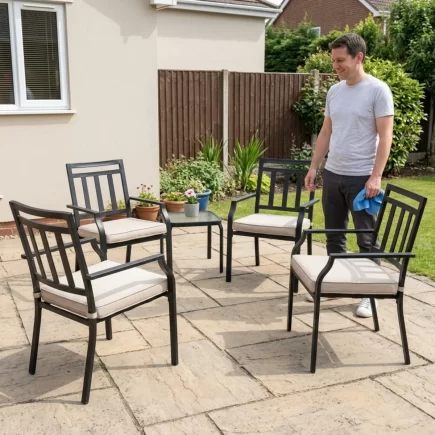
Weed barrier plays a slightly different role under pavers and patios. Instead of just blocking weeds, it also separates the base gravel from the soil below, which improves drainage and keeps the paver base stable.
In these areas, the fabric contributes to:
- Better long-term drainage underneath hardscaped surfaces.
- A more stable paver base that resists shifting or sinking.
- Fewer weeds creeping up between paver joints and fence panels.
- Less trimming needed along fence lines that are hard to mow around.
Helpful tip: Overlap fabric seams by at least 6 inches under patios and pavers. Gaps in the seams are one of the most common reasons weeds still manage to grow through.
6. Driveways and Gravel Parking Areas
For gravel driveways and parking areas, weed barrier is essential for keeping the surface looking clean and structurally sound. A commercial grade, heavy duty fabric is recommended here since it needs to handle vehicle weight.
This application delivers:
- Fewer potholes caused by weed roots breaking up the base layer.
- A cleaner looking surface that holds up to regular vehicle traffic.
- Less frequent regrading or reapplying of gravel over the years.
- A more stable driveway base overall, season after season.
| Area | Recommended Fabric Weight | Expected Lifespan |
| Flower beds | Light to medium | 3-5 years |
| Mulch beds | Medium | 4-6 years |
| Gravel paths | Medium to heavy | 6-8 years |
| Driveways | Heavy/commercial grade | 8-10 years |
What to Avoid When Placing Weed Barrier
Even a good quality weed barrier fails when it’s installed in the wrong way or the wrong location. Knowing what to skip is just as important as knowing where it works best.
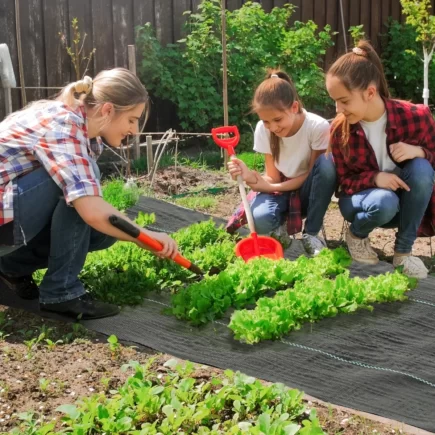
- Placing a barrier under vegetable gardens, since it blocks beneficial soil organisms and makes crop rotation difficult.
- Skipping ground prep, since existing weeds and rocks left underneath will eventually poke through.
- Using fabric that’s too thin for high traffic areas like driveways or walkways.
- Leaving fabric exposed without mulch or gravel on top, which lets UV rays break it down fast.
- Overlapping seams too little, which leaves gaps for weeds to sneak through.
Choosing the right Weed Barrier placement can make outdoor spaces easier to maintain and keep them looking cleaner for longer. Match the fabric type to the area, prepare the ground properly, and cover the barrier to protect it from damage. With the right setup, like a quality weed barrier from Outsunny, you can spend less time fighting weeds and more time enjoying a healthier, tidier yard.
FAQs
Weed barrier fabric works by blocking sunlight so weed seeds cannot germinate beneath it. It is most effective against weeds growing from seed, though persistent perennial weeds with strong roots can sometimes push through over time. Combining it with a mulch layer on top improves its long-term effectiveness.
Most woven or non-woven landscape fabrics last between 5 and 20 years, depending on material thickness and UV exposure. Cheaper spun fabrics degrade faster, especially in direct sunlight, while heavier woven versions hold up longer under mulch or gravel.
No fabric stops weeds forever, since windblown seeds and dust eventually settle on top and germinate in the mulch layer above. Weed barrier reduces weed pressure substantially rather than eliminating it completely, so occasional maintenance is still required.