





















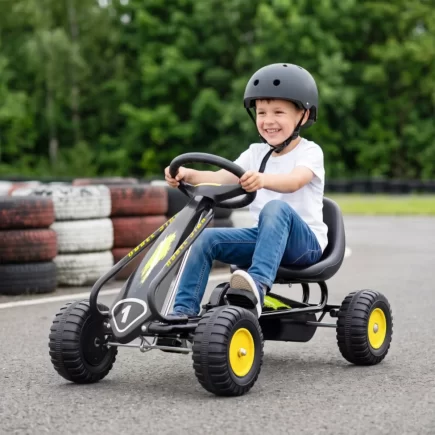





Choosing the right time to upgrade from a 12V to a 24V go-kart depends on more than your child’s age. As they grow and gain driving confidence, their current kart may become too small, less comfortable, or less engaging. This guide covers the key signs to consider, including size, skill level, speed, comfort, and riding environment.
12V vs 24V Go-Karts: What’s the Real Difference?
The main difference between 12V and 24V go-karts is the electrical power available to the motor. A 12V system generally provides gentler acceleration and is well suited to younger or less experienced riders. A 24V system can deliver stronger acceleration, higher speeds, and more responsive performance, depending on the motor and overall design.
The difference is not limited to battery voltage. Many 24V go-karts are also larger, have higher weight capacities, and include features designed for children who have already developed basic driving skills.
1. Speed and Motor Power
12V go-karts generally reach speeds between 1.9 and 5 mph, depending on the model and motor configuration. This relatively modest speed can help younger riders become comfortable with steering, starting, stopping, and changing direction.
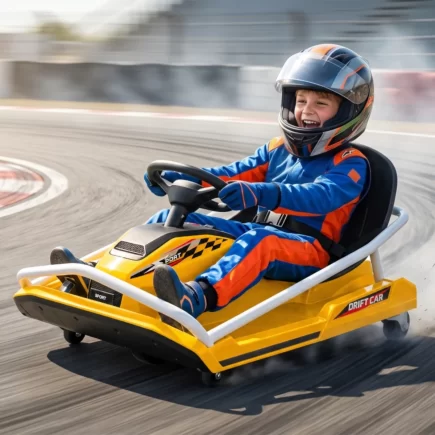
Some 24V drift go-karts can reach speeds of around 8.1 mph, while other designs may offer different speed ranges. Certain 24V models also use dual-drive motors, which can provide stronger acceleration and improved performance during turns or drifting.
If your child’s current 12V kart feels noticeably slow despite having a fully charged battery and being properly maintained, it may be worth considering a model with more power.
| Feature | 12V Go-Kart | 24V Go-Kart |
| Typical Top Speed | 1.9–5 mph | 3.7–8.1+ mph |
| Motor Type | Usually single motor | Single or dual-drive motor |
| Best Suited For | Beginner riders | More confident riders |
| Driving Experience | Slower, easier to control | Faster and more responsive |
2. Battery Runtime and Charge Time
A higher voltage does not automatically mean longer battery runtime. How long a go-kart operates depends on factors such as battery capacity, motor power, rider weight, terrain, speed, and how frequently the kart accelerates.
Some 12V go-karts provide around 30 to 50 minutes of riding time, while certain 24V drift models can provide approximately 40 minutes under suitable conditions. A more powerful motor can consume energy faster, so additional performance does not necessarily mean longer playtime.
Charge times also vary by model, but many children’s electric go-karts require around 8 to 12 hours for a full charge.
| Model Type | Typical Runtime | Typical Charge Time |
| 12V Standard | 30–50 min | 8–12 hours |
| 24V Drift | Around 40 min | 8–12 hours |
Quick tip: Follow the manufacturer’s charging instructions and allow the battery to charge fully before extended use. Avoid repeatedly running the battery completely flat, as proper charging habits can help support battery life.
3. Age and Size Can Signal It’s Time to Upgrade
Age alone should not determine whether a child is ready for a 24V go-kart. Height, weight, seating position, coordination, and riding experience are also important factors.
Many 12V go-karts are designed for younger children, commonly around ages 3 to 8, while some 24V models are designed for older children, often around ages 8 to 12. However, age ranges vary between products, so always follow the specific manufacturer’s recommendations.
4. When Your Child Exceeds the Weight Capacity
Weight capacity is one of the clearest indicators that a go-kart may have been outgrown. Exceeding the manufacturer’s rated capacity can place additional stress on the motor, battery, drivetrain, and frame while also affecting handling and braking performance.
For example, different kart types may have specifications such as the following:
| Model Type | Typical Age Range | Example Weight Capacity |
| 12V Standard Kart | 3–8 years | Up to 66 lbs |
| 12V Drift Kart | 8–12 years | Up to 110 lbs |
| 24V Drift Kart | 8–12 years | Up to 154 lbs |
These are example specifications rather than universal limits. The manufacturer’s stated age and weight recommendations should always take priority.
- Check the manufacturer’s weight limit before upgrading.
- Reassess the fit as your child grows and their weight changes.
- Make sure the rider can sit comfortably without exceeding the rated capacity.
- Never allow a child to use a go-kart above its specified weight limit.
5. When the Seat and Legroom No Longer Fit
A go-kart should provide enough room for your child to sit comfortably while maintaining proper control of the steering wheel and pedals. If their knees are close to the steering wheel, their legs feel cramped, or the seat has reached its furthest adjustment, the kart may be too small.
Some larger 24V models provide a more spacious frame and greater seating flexibility. Certain models are around 45 inches or more in overall length, giving older children additional room compared with smaller beginner karts.
A comfortable seating position matters because cramped legs or an awkward reach can make steering and braking more difficult.
6. Child’s Skill Level
Physical growth is only one part of the upgrade decision. A child who has mastered the basics of driving may also be ready for a more capable kart.
A 24V model should not be viewed simply as a faster replacement. Your child should first demonstrate that they can control their current go-kart consistently and understand basic riding rules.
7. Steer and Brake
A child may be ready for the next level when they can:
- Steer smoothly without frequent corrections.
- Stop reliably when instructed.
- Control the kart at its current maximum speed.
- Navigate turns without losing control.
- Start and stop without constant parental assistance.
- Respond appropriately to changes in direction or riding conditions.
These behaviours indicate that the child has developed the coordination needed to manage a more powerful kart.
If your child still struggles to steer, stop, or maintain control of a 12V model, upgrading to 24V may be premature. More power should follow better control, not replace it.
8. More Speed or Drifting
Once children become comfortable with basic driving, they may naturally want a more engaging experience. They may ask to go faster, show interest in racing, or want to learn how drifting works.
Some 24V drift go-karts are designed specifically for controlled drifting and sideways movement. These models can provide a different driving experience from standard 12V beginner karts.
However, an interest in speed alone does not mean a child is ready for a faster kart. They should also have the maturity, coordination, and appropriate riding environment needed to use the additional performance responsibly.
9. Wheel and Tyre Differences
Wheel construction can also influence how a go-kart performs. Smaller 12V models may use EVA or PU wheels designed for quieter, smoother operation on flat surfaces. Certain 24V drift models use PU front wheels and PE rear wheels to support their specific handling characteristics.
| Feature | 12V Kart | 24V Drift Kart |
| Front Wheel Material | EVA / PU | PU |
| Rear Wheel Material | EVA / PU | PE |
| Front Wheel Size | Around 9.8″ dia. | Around 8.75″ dia. |
| Rear Wheel Size | Varies by model | Around 11″ dia. |
| Suitable Surfaces | Smooth driveways, patios | Concrete, asphalt, brick |
Wheel size and material vary considerably between models, so these specifications are examples rather than universal differences between every 12V and 24V go-kart.
Quick tip: Choose a kart based on the surface where your child will ride most often. Using a model outside its recommended environment can increase wear and make handling less predictable.
12V vs 24V: Which One Is Right for Your Child?
The right go-kart depends on your child’s size, driving ability, and where they will ride. A 12V model is generally a better choice for beginners who are still developing basic steering, braking, and speed-control skills. A 24V model may be more suitable for children who have outgrown their current kart and can confidently control a more powerful vehicle.
| If Your Child… | Better Choice |
| Is learning to steer, stop, and start | 12V go-kart |
| Still needs frequent parental assistance | 12V go-kart |
| Fits comfortably within the current kart’s limits | 12V go-kart |
| Has mastered basic driving skills | 24V go-kart |
| Has outgrown the 12V kart’s seat or weight capacity | 24V go-kart |
| Wants stronger acceleration or more responsive handling | 24V go-kart |
| Is interested in controlled drifting | 24V drift go-kart |
The voltage should not be the only factor when choosing an upgrade. Always compare the specific model’s recommended age, weight capacity, maximum speed, dimensions, battery specifications, and riding environment before making a decision.
When NOT to Upgrade to 24V
A 24V go-kart may not be necessary if your child still struggles with steering, braking, or controlling their current 12V model. If the kart still provides enough space, weight capacity, speed, and comfort, there may be no need to upgrade yet.
Consider staying with 12V if:
- Your child still needs help with steering or braking.
- They have not mastered the current kart’s speed.
- The seat and legroom remain comfortable.
- They are within the manufacturer’s weight limit.
- The riding area is too small for a faster kart.
- Poor performance is caused by battery wear or maintenance issues.
Upgrade when your child has developed better control, outgrown the current kart, and genuinely needs more performance.
Choosing the right go-kart from Aosom is about finding the right balance between your child’s growing skills, comfort, size, and riding needs. As they become more confident, an Aosom model that matches their development can make each ride more enjoyable and manageable. By considering these factors carefully, you can make a practical choice that supports safe and enjoyable outdoor play.
FAQs
A beginner-friendly go-kart should have a manageable speed that allows the child to steer, brake, and react confidently. Slower settings are usually better for younger or inexperienced riders. More speed should only come with improved control skills.
The right size depends on the child’s height, weight, and leg length rather than age alone. They should be able to sit comfortably and reach the pedals and steering wheel easily. Always stay within the manufacturer’s recommended limits.
A child may be ready when they can steer, accelerate, brake, and follow riding rules confidently. They should also maintain control without frequent assistance. Increasing speed should come after developing good basic driving skills.