










A storage shed can clear out a cluttered garage, protect lawn equipment from the weather and give every tool a proper home. The catch is that sheds vary widely in size, material, roof design and security, and a shed that looks right online may not fit the available space or the gear it needs to hold. Checking a few key features before buying makes sure the shed suits the yard and climate and keeps everything inside safe, dry and easy to reach.
1. Choose the Right Storage Shed Size
The right size keeps belongings organized today and leaves room for what you’ll add later.
What Size Storage Shed Do You Need?
The right size depends on what you plan to store. Make a list of everything going inside, from rakes and bags of potting soil to bikes and a lawn mower. Then match that list to a size range.
Measure the Available Yard Space
Measure the dedicated spot before you get it, and use these steps to check the fit.
- Mark the footprint: Set stakes at the corners and run string between them.
- Check the ground: Look for sprinklers, tree roots and low spots.
- Leave clearance: Plan for about 18 inches on every side for airflow and maintenance.
2. Check the Shed Material and Compared
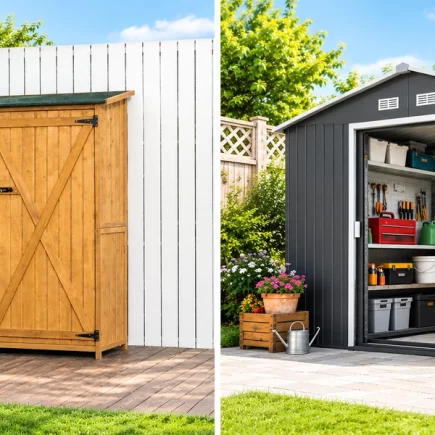
Material affects how long a shed lasts, how much care it needs and how it looks in the yard. Compare the three main types side by side.
| Factor | Metal Storage Storage | Plastic Storage Shed | Wooden Storage Shed |
| Durability | Very durable, strong frame and panels | Moderate, sturdy but less rigid than steel | High, solid build when well made |
| How Long It Lasts | About 10 to 25 years | About 10 to 20 years | About 10 to 25 |
| Maintenance | Low, touch up scratches and keep vents clear | Minimal, rinse with a hose about once a year | Higher, reseal or repaint every few years |
| Security | Strong, hard to cut or pry | Moderate | Good with solid doors and hardware |
| What to Look For | Galvanized or coated steel, vents, a foundation kit | Thick panels, built-in floor, window, vents | Treated panels, asphalt roof, adjustable feet |
3. Check Weather Resistance, Roof Design, and Durability
A shed needs to withstand rain, sun, snow, and wind year after year. Check the roofing, walls, flooring, and foundation to make sure the structure is built to last.
Choose a Roof That Handles Rain and Snow
The roof takes the most exposure to harsh weather, so its design and materials matter.
- Choose a pitched or sloped roof that allows rainwater and snow to run off.
- Look for durable roofing materials, such as asphalt shingles on wooden sheds.
- Check the roof load rating if you live in an area with heavy snowfall.
Compare Different Roof Styles
| Roof Style | Main Benefit | Best For |
| Gable (Apex) | Central peak provides headroom and drainage on both sides. | Most backyards |
| Sloping (Lean-to or Pent) | Single slope works well in compact spaces. | Narrow side yards and patios |
| Barn (Gambrel) | Provides extra overhead storage space. | Lofts and tall storage |
| Hip | Slopes on all sides and performs well in windy conditions when properly secured. | Windy regions |
Check Walls, Flooring, and Foundation
Moisture can damage a shed from the ground up, so inspect these areas carefully.
- Walls: Look for sealed seams and weather-resistant materials such as galvanized steel, durable plastic, or treated wood.
- Flooring: Choose a raised or built-in floor to keep tools away from ground moisture and reduce rust and mildew.
- Foundation: Make sure the shed sits on a firm, level, well-drained base to prevent shifting and water buildup.
Consider Snow and Wind Resistance
Heavy snow and strong winds can weaken a shed over time.
- Check the manufacturer’s roof load and wind resistance ratings.
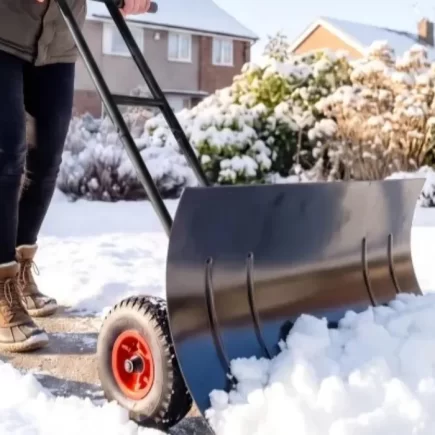
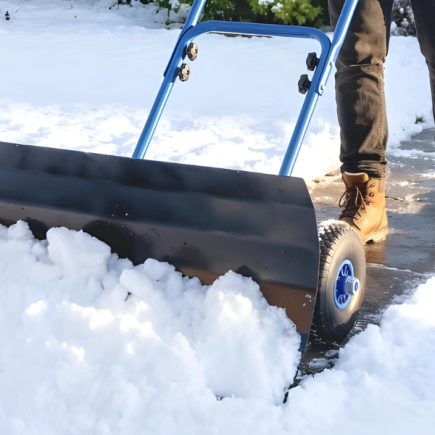
- Remove excessive snow using a suitable method that won’t damage the roof.
- Choose a shed with adequate roof support and secure anchoring, especially in areas with severe weather.
4. Check Security Features
Sheds often hold expensive tools and bikes, so good security protects what’s inside.
Strong Doors and Hinges
A lock only works if the door and frame are strong. Look for these features.
- Rigid doors that close snugly.
- Reinforced hinges.
- Screws that can’t be removed from the outside.
Lockable Handles and Padlock Compatibility
Most Outsunny sheds come with lockable doors. Check for these details.
- Built-in locking handles.
- A hasp that fits a standard padlock.
- Double doors that latch securely at the top and bottom.
Reinforced Panels and Secure Windows
Walls and windows are common weak spots.
- Panels: Firm, well-fastened walls are harder to pry or cut.
- Windows: Choose small, high or shatter-resistant windows if you store valuables.
5. Consider Ventilation and Natural Light
Airflow and light make a shed more pleasant to use and help keep stored items dry.
Why Airflow Matters Inside a Shed
A closed shed traps heat and humidity. Without airflow, you’ll often see these problems.
- Tools and hardware start to rust.
- Cushions and fabric develop mildew.
- Cardboard boxes go soft.
Good ventilation keeps air moving and the interior closer to outdoor conditions.
Look for Vents to Reduce Moisture Build-Up
Vent placement matters as much as the number of vents.
- Place vents high on the walls or gables.
- Put them on opposite sides so air can cross the shed.
- Look for models with several vents, such as Outsunny metal sheds with four vents or plastic sheds with built-in vents.
6. Evaluate Doors and Interior Layout
Easy access and smart storage make the difference between a shed you use every day and one you avoid.
| Door Type | Best For | Pros | Cons |
| Single Door | Small tool sheds and hand tools | Simple and compact | Too narrow for bulky equipment |
| Double Doors | Mowers, wheelbarrows and bikes | Wide opening for large items | Needs more clear space in front |
| Hinged Doors | Yards with open space in front | Wide opening, tighter seal | Needs clear space to swing open |
| Sliding Doors | Tight yards near fences or flower beds | Saves space, no swing area needed | Track needs regular cleaning |
Look for Shelving, Hooks, and Organizing Options
Good organization makes a small shed feel bigger.
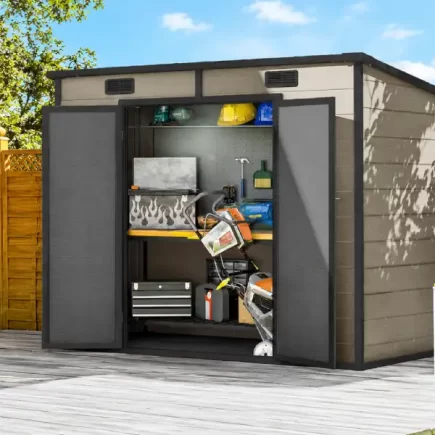
- Shelves: Built-in or added shelves use vertical space, keep small items off the floor and make supplies easier to find.
- Wall storage: Add pegboards, hooks and wall shelves to clear the floor.
- Layout: Keep the heaviest items low and close to the door.
7. Match the Shed to Storage Needs
The best features depend on what you plan to store, so match the shed to its main job.
For Tools and Lawn Equipment
Look for these features.
- Solid floor or foundation
- Wide doors for mowers and wheelbarrows
- Wall space for hanging rakes and shovels
- Vents to keep tools dry, as on medium Outsunny metal sheds
For Bikes and Sports Gear
Bikes need easy access and protection from moisture.
- Wide, low door opening
- Enough depth to roll bikes straight in
- Lockable doors plus a floor anchor
- Ventilation to protect tires, chains and sports gear
Give Every Tool a Home Starting Today
The perfect shed starts with the right size and material, then earns its place with a weather-ready roof, a level base, solid locks and steady airflow. Add easy-access doors, simple assembly and a fair total cost, and the backyard finally has room to breathe.
No more tripping over rakes in the garage or leaving the mower out in the rain. Many storage sheds ship free, so turning clutter into clean, organized storage is just a few clicks away.
FAQs
Many small sheds do not need a building permit, but size limits vary by city and county. Check with the local building department before buying, and get HOA approval in writing, since setback, height and placement rules can apply even when no permit is required. .
Yes, if the design and local rules allow it. Plan insulation, electrical wiring, cooling and interior finishes before building, and choose a larger shed with windows for daylight. Running power usually requires a separate electrical permit and a licensed electrician.
Yes, but it takes planning. Small kit sheds can often be taken apart and rebuilt in a new spot, while larger sheds need careful lifting and extra help. Either way, prepare a new level, well-drained base first so the shed stays square once it is in place.
It can, as long as the ground is not frozen and there is little snow on site. Frozen soil makes it hard to level the base, and cold weather slows assembly. In snowy regions, late spring through early fall is usually the easiest and safest time to build a shed.
Metal sheds are stronger, more secure and often more affordable in larger sizes, but they can dent or rust if scratched. Plastic sheds need less upkeep, resist moisture and usually include a floor. Choose metal for security and size, and plastic for easy care in damp climates.