







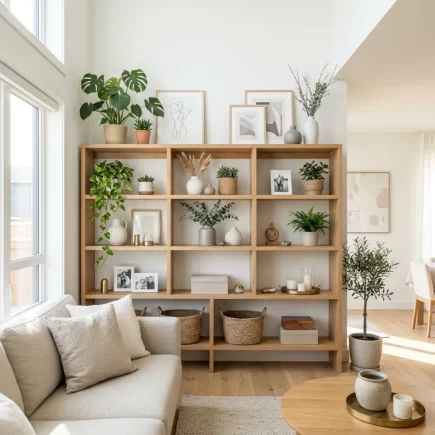


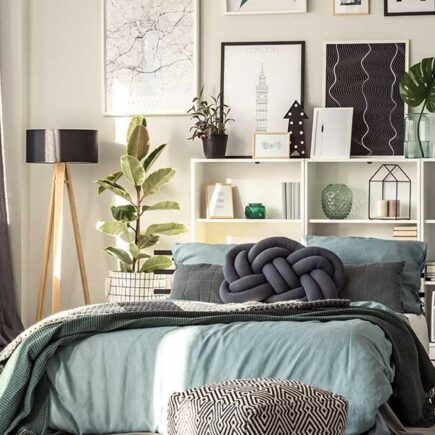





















A plant stand isn’t just furniture, it’s a stage for your greenery. When decorated thoughtfully, it transforms ordinary potted plants into an eye-catching display that enhances the entire room. The right setup can make a corner feel brighter, tie together your interior style, or turn a plain wall into a statement feature.

Decorating an indoor plant stand is about more than simply placing pots on shelves. It’s about creating balance, layering shapes and textures, and adding accents that elevate the whole arrangement. Whether your style is modern and minimal or eclectic and bohemian, a well-decorated stand can become one of the most striking elements of your home.
Step 1: Choose the Right Location for Design Impact
Create a Focal Point
Place your stand where it naturally draws attention, near an entryway, beside a sofa, or in an unused corner. Positioning it where the eye falls first makes it a visual anchor in the room.
Balance the Room Layout
Use your plant stand to fill awkward gaps or soften sharp architectural lines. For instance, a tall stand can balance a low piece of furniture, while a smaller one can break up empty space under artwork.
Frame Other Décor Pieces
Stands look especially elegant when they frame mirrors, paintings, or windows. Positioning greenery around other decorative elements ties everything together.
Step 2: Select Plants for Visual Effect
Tall Plants for Structure
Choose tall plants to serve as anchors. They provide height and instantly give the stand presence in the room.
Trailing Plants for Movement
Trailing varieties cascade gracefully over edges, softening lines and adding natural flow to the setup.
Compact Plants for Balance
Small plants tie tall and trailing varieties together. They prevent gaps and keep the overall display looking intentional.
Step 5: Coordinate Pots and Containers for Cohesion
Matching Pots for a Minimal Look
If you want a clean, polished display, use pots of the same color or finish. This approach allows the plants to stand out as the stars.
Mixed Pots for Eclectic Charm
Combine pots of different textures and finishes for a collected, artistic feel. Terracotta, ceramic, and metallics can work together when tied into a consistent palette.
Baskets and Trays as Accents
Use woven baskets for warmth and texture, or trays to group small pots together. These accents add personality while keeping displays neat.
Step 6: Add Accessories to Create a Styled Vignette
Books as Risers
Stacking books beneath pots instantly adds height and variety. It also introduces a personal touch, turning your plant stand into a reflection of your interests as well as your style.
Figurines and Sculptures
Small statues or art objects bring charm and individuality. They can highlight cultural influences or echo the shapes and tones of your greenery, tying the entire display together.
Lighting Accents
Adding fairy lights, lanterns, or candles creates an atmosphere. Lighting makes your stand pop in the evening and gives the greenery a warm, inviting glow.
Natural Elements
Incorporate stones, crystals, or shells for subtle detail. These natural textures complement the plants and give the arrangement a grounded, organic finish.
Step 7: Use Layering to Build Depth and Interest
Create Vertical Layers
Use stools, crates, or stacked books to add extra levels. Vertical layering ensures every plant has its moment instead of blending into a single plane.
Stagger Plants for Balance
Diagonal or asymmetrical placement creates visual rhythm. Avoid lining up plants in straight rows, which can look flat and uninspired.
Let Trailing Plants Frame the Stand
Cascading plants soften the edges and add natural framing. By placing them along sides or lower shelves, you create movement that ties the entire display together.
Step 8: Personalize Your Stand with DIY Touches
Paint for a Fresh Look
A simple coat of paint can completely transform a plant stand. Choose a bold shade for impact or a neutral tone for subtle sophistication. Freshly painted or clean plant stands instantly look newer and help your arrangement stand out.
Add Pattern or Texture
Cover surfaces with removable wallpaper, adhesive tiles, or textured fabrics. These additions introduce character without permanent changes and make even an older stand look stylish.
Repurpose Furniture
Convert stools, ladders, or carts into plant stands for a creative twist. Repurposed pieces often become the most memorable elements in a room, especially when cleaned, polished, and styled with intention.
Customize Pots
Hand-painted or decorated pots add personality to your display. Whether you use rope, decals, or bold colors, custom containers make your arrangement feel unique and cohesive with your stand.
Step 10: Practical Design Notes
Keep It Stable
Always place heavier pots at the base of the stand. This prevents tipping and makes the arrangement feel secure and grounded.
Make It Accessible
Arrange pots so they can be moved or rotated easily. This ensures you can restyle your stand whenever you want without disturbing the whole setup.
Mistakes to Avoid When Decorating a Plant Stand
Overcrowding the Stand
Packing too many plants together makes the display chaotic. Give each plant room to breathe for a balanced, polished look.
Mixing Too Many Styles
Combining clashing pots, mismatched colors, and random accessories creates confusion. Stick to a consistent palette or theme.
Ignoring Scale
A large plant in a small pot or oversized pots on delicate stands disrupts proportion. Always consider scale for harmony.
Over-Accessorizing
Accessories should complement your plants, not distract from them. Keep extras minimal so greenery remains the main attraction.
A decorated Indoor Plant Stand is more than a container for greenery, it’s a curated design feature. By choosing the right stand, arranging plants thoughtfully, coordinating containers, layering accessories, and adding seasonal or personal touches, you create a display that feels intentional and stylish.
Done well, your plant stand becomes a living centerpiece that enhances your home, reflects your personality, and grows more beautiful with time. With creativity and balance, it will always feel fresh and inspiring.
FAQs
1. How do I choose the right color palette for my plant stand display?
Select colors that complement your room’s existing décor. Neutral palettes like whites, grays, and earth tones create calm, cohesive displays, while bold palettes add energy. Limiting yourself to 2–3 main colors keeps the arrangement from feeling chaotic.
2. Can I use mirrors behind a plant stand to enhance its design?
Yes. Mirrors amplify greenery, making the display appear fuller and brighter. Position a mirror behind or beside your stand to reflect both light and the plants, doubling the visual effect.
3. How do I make a plant stand work as a room divider?
Use a tall tiered stand or several grouped stands in a row to create a natural screen. Choose taller plants on top and trailing plants at the edges so the greenery softens the visual separation between spaces.