


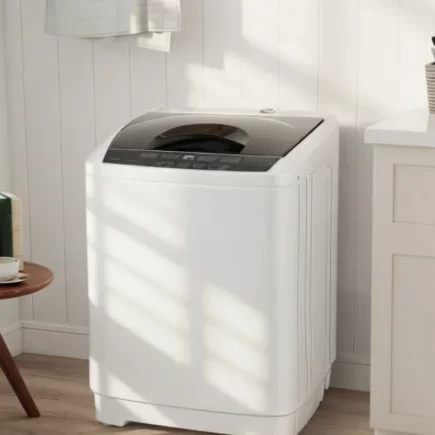























Knowing what you can safely put in a washing machine helps protect your clothes and prevents avoidable damage. Most everyday clothing and machine-safe household fabrics can go into the drum, while detergent and fabric softener belong in their designated compartments.
What Clothes Can You Put in a Washing Machine?
Many everyday garments are suitable for machine washing, but the right wash setting and temperature depend on the fabric and garment construction. Always check the care label before washing an unfamiliar item.
Everyday Clothing
Several types of everyday clothing can usually be machine washed when their care labels allow it.
- T-shirts: Cotton and many cotton-blend T-shirts are generally suitable for machine washing.
- Jeans: Denim can usually be washed in a machine. Turning jeans inside out can help minimise visible fading.
- Cotton clothes: Shirts, trousers, pyjamas and other cotton garments are often suitable for machine washing.
- Activewear: Many sports garments can be machine washed using a suitable gentle or sportswear programme.
Being machine washable does not mean every item should go in the same load. Sort clothes by colour, fabric type and washing requirements before washing to help prevent damage and colour transfer.
Delicates and Special Clothing
Some delicate and structured garments can be machine washed, but they may require a gentler programme or additional protection.
- Sweaters: Wool and knitted sweaters may need a delicate wash setting. Some are labelled for hand washing only, so always check the care label first.
- Bras: Certain bras can be machine washed using a gentle wash setting and protective laundry bag. Structured styles may require more careful treatment.
- Uniforms: Many uniforms are machine washable, but their care labels should be checked for temperature and drying instructions.
- Delicate fabrics: Lace, silk and other sensitive materials may require a delicate programme or hand washing.
Before placing a delicate item in the drum, check five things:
- Care label: Confirm that machine washing is permitted.
- Fabric: Make sure the material can withstand water and machine agitation.
- Construction: Look for wires, padding, embellishments or other vulnerable components.
- Colour: Separate garments that may release dye.
What Household Items Can You Wash in a Machine?
Washing machines can clean many household textiles in addition to clothing. However, each item should be checked individually because materials, coatings and construction can affect whether it is suitable for machine washing.
Bedding and Linens
Sheets, pillowcases and towels are commonly washed in a machine. They should be washed according to their material and care-label instructions.
Blankets may also be machine washable, but their size and weight need to be considered. A large blanket can become significantly heavier when wet, so check whether it is suitable for your machine before washing it.
When washing bedding and linens:
- Check the care label first.
- Avoid placing too many bulky items in the drum.
- Separate heavily soiled items when appropriate.
- Leave enough space for large items to move freely.
Bathroom and Kitchen Textiles
Several fabric items used around the home can also be machine washed.
- Bath mats: Some fabric bath mats are suitable for machine washing. Check the backing first, particularly if it contains rubber or another material with special cleaning requirements.
- Kitchen towels: Cotton kitchen towels are commonly machine washable. If they are heavily soiled, wash them separately from delicate clothing.
- Cloth napkins: Fabric napkins can generally be machine washed according to their material and care instructions.
Other Machine-Washable Items
Some additional household items can be washed in a machine when their care instructions permit it:
- Curtains: Certain fabric curtains are machine washable. Remove hooks and other hardware before washing.
- Some shoes: Canvas and some fabric shoes may be machine washable if the manufacturer’s instructions permit it.
- Soft toys: Machine-washable soft toys can often be cleaned safely in a gentle wash setting.
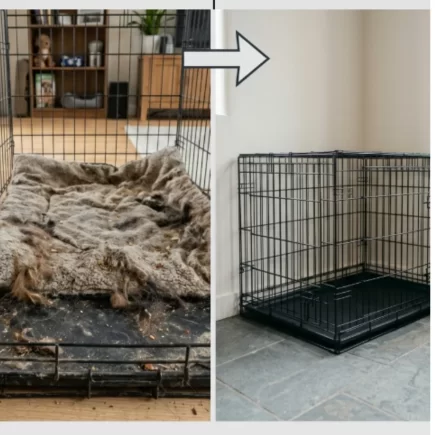
- Pet bedding: Removable fabric pet bedding may be machine washable. Check the care label and remove loose hair before washing.
The category alone does not determine whether an item is safe to wash. Always consider its material, construction and care instructions.
How Full Should You Load a Washing Machine?
The amount of laundry placed in the drum affects how well the machine can clean and rinse the load. Every washing machine has a maximum capacity, usually measured in kilograms, and this limit should not be exceeded.
Clothes need enough room to move through the water and detergent. A tightly packed drum can restrict movement and may also make it more difficult for the machine to balance the load during spinning.
For a suitable load:
- Follow the washing machine’s stated capacity.
- Do not tightly pack clothes into the drum.
- Leave enough room for laundry to move freely.
- Sort items by colour, fabric and washing requirements.
- Consider the size and weight of bulky items before washing them.
Loading Guide for Different Laundry
| Laundry Type | Loading Consideration | Why It Matters |
| T-shirts and lightweight clothing | Avoid tightly packing the drum.. | Gives garments room to move. |
| Jeans and heavier clothing | Leave additional space. | Heavier fabrics need room to tumble. |
| Towels | Avoid overloading. | Towels become heavier when wet. |
| Sheets and bedding | Follow the machine’s capacity. | Bulky items need adequate movement. |
| Blankets | Check size and weight first. | Oversized loads may strain the machine. |
The manufacturer’s instructions should always take priority because recommended loading methods can vary between washing machines.
What Should You Never Put in a Washing Machine?
Some items can be damaged by water, agitation or spinning. Unless the care label says otherwise, avoid putting these in a washing machine.
| Item | Why Avoid It? |
| Leather and suede | Water and agitation can damage the material. |
| Dry-clean-only garments | Machine washing may cause shrinking or fabric damage. |
| Delicately embellished items | Beads, sequins and embroidery can loosen or snag. |
| Some wired or structured bras | Underwires can bend, loosen or damage the garment. |
| Bulky or heavily padded items | They can become too heavy or unbalanced when wet. |
Tip: Always check the care label before washing an unfamiliar item. Follow the manufacturer’s instructions if they differ from general washing advice.
Common Washing Machine Mistakes to Avoid
Even when you choose machine-safe items, common laundry mistakes can affect cleaning results or damage fabrics. Keep these points in mind:
- Using too much detergent: Extra detergent does not necessarily clean clothes better. Follow the recommended amount to help prevent residue and difficult rinsing.
- Mixing colours carelessly: Dark and brightly coloured clothes can release dye during washing. Separate colours to help prevent lighter garments from becoming discoloured.
- Leaving wet clothes inside too long: Remove laundry soon after washing. Leaving damp clothes in a closed drum for too long can cause unpleasant odours and make the machine less fresh.
The right washing habits can help clothes stay cleaner and last longer. Knowing what belongs in the machine and how much to load makes everyday laundry easier. If you are looking for a new Washing Machine to handle your regular loads, Aosom has options to consider based on your household’s needs.
FAQs
Clean your washing machine regularly to remove detergent residue, dirt, mould and unpleasant odours. Wipe the door seal, drum and detergent drawer to prevent buildup. Regular cleaning helps keep the machine fresh and hygienic.
A washing machine can smell bad when moisture, detergent residue, dirt or mould builds up inside the drum, door seal or dispenser. Leave the door open after each wash to allow the interior to dry, and clean the machine regularly to reduce unpleasant odours.
A washing machine may not spin if the load is unbalanced, the drum is overloaded or the machine cannot drain properly. Redistribute the clothes, reduce the load if needed and check for drainage issues. If it still will not spin, follow the manufacturer’s guidance.