










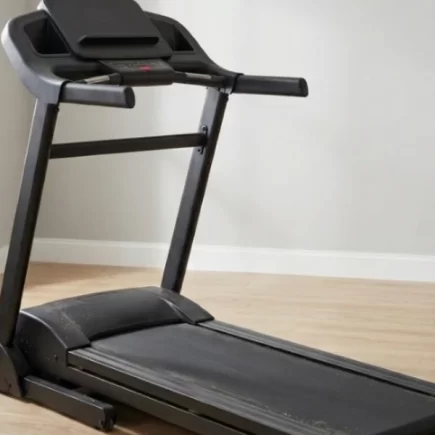








A clean treadmill runs smoother, lasts longer, and stays safer to use. Dust, sweat, and hair build up faster than most people expect, and that buildup is one of the top reasons treadmills wear out early or start making noise. This guide walks you through exactly how to clean your treadmill the right way, from the console to the belt.
Safety First: Before You Start Cleaning
Always unplug the treadmill before cleaning it. Even a small amount of moisture near the console or motor can cause electrical damage, so this step should never be skipped. A few basic precautions keep both you and the machine safe throughout the process.
Follow these safety steps before touching any part of the machine:
- Unplug the treadmill and let it fully power off.
- Let the motor and belt cool down for at least 15 minutes after use.
- Spray cleaner onto the cloth, never directly onto the treadmill.
- Keep all liquids away from the console, wiring, and motor housing.
- Wear non-slip shoes or clean in dry socks to avoid slipping.
What to Avoid When Cleaning a Treadmill
Not every household cleaner is safe for a treadmill. Harsh chemicals can break down the belt material, damage the deck coating, or strip factory lubrication, so it helps to know exactly what to leave out of your cleaning kit.
Avoid these when cleaning your machine:
- Ammonia-based or bleach cleaners, which can degrade rubber and plastic parts.
- Silicone-based sprays near the belt, which can cause slipping instead of smooth movement.
- Excess water or soaking wet cloths, which can seep into the motor or electronics.
- Abrasive scrubbers or steel wool, which can scratch the deck and belt surface.
A mild soap and water solution, isopropyl alcohol for the console, and a soft microfiber cloth cover almost every cleaning need safely. The table below breaks down what to use versus what to avoid for each part of the machine.
| Treadmill Part | Safe to Use |
| Console and screen | Isopropyl alcohol, dry microfiber cloth |
| Deck and rails | Mild soap and water |
| Belt and edges | Soft brush, dry cloth |
| Motor and vents | Vacuum with hose attachment |
Step 1: Wipe Down the Console and Handlebars
The console is the most frequently touched part of the treadmill, so it collects sweat, skin oils, and dust faster than almost any other component. Cleaning it regularly keeps buttons responsive and prevents grime from building up around the screen.
- Dampen a microfiber cloth with isopropyl alcohol, not the console itself.
- Wipe the screen, buttons, and handlebars in small circular motions.
- Dry the surface with a second clean cloth to remove any leftover moisture.
- Check buttons and ports for residue and gently clean around the edges.
Step 2: Clean the Deck, Rails, and Frame
The side rails and frame collect dust, hair, and skin cells over time, especially near the edges of the belt. A quick wipe-down here prevents debris from working its way toward the moving parts underneath.
- Mix a small amount of mild soap with water in a bowl or spray bottle.
- Dampen a cloth with the solution and wipe down the side rails and frame.
- Focus on the corners where the deck meets the frame, since dust settles there.
- Dry all surfaces fully with a clean cloth before using the machine again.
Step 3: Clean Under and Around the Belt
You do not need to disassemble the treadmill to clean around the belt. A gentle approach along the edges is usually enough to clear out the dust and debris that build up in this hard-to-reach area.
- Gently lift the edges of the belt by hand, just enough to expose the deck underneath.
- Use a soft brush to loosen dust and debris along the belt edges.
- Wipe the exposed area with a dry or lightly damp cloth.
- Avoid pouring or spraying water directly under the belt at any point.
Step 4: Remove Dust, Sweat, and Pet Hair from the Motor and Vents
The motor compartment is usually the dirtiest part of a treadmill, since it pulls in air, and dust along with it, every time the machine runs. Clearing this area regularly helps the motor stay cool and reduces strain over time.
- Locate the motor cover and vent openings.
- Use a vacuum with a hose attachment to clear dust, hair, and lint from the vents.
- Wipe the outer motor housing with a dry cloth to remove surface dust.
- Repeat this step more often if you have pets or use the treadmill daily.
Step 5: Lubricate the Belt After Cleaning
Cleaning can strip away some of the belt’s natural lubrication, so this step should always follow a deep clean rather than being treated as optional. Proper lubrication keeps the belt moving smoothly and prevents unnecessary wear.
- Check your owner’s manual for the manufacturer’s recommended lubricant type.
- Lift the belt edge slightly and apply a thin, even line of lubricant along the deck.
- Run the treadmill at a slow speed for a minute or two to spread the lubricant evenly.
- Wipe away any excess lubricant that seeps out from under the belt.
How Often to Clean a Treadmill
Most treadmills need a quick wipe-down after every workout and a deeper clean once a month. Households with pets, heavy daily use, or a treadmill kept in a garage or basement should clean more often, since dust and hair collect faster in those spaces.
Here is a simple frequency guide to follow:
| Cleaning Task | Recommended Frequency |
| Wipe console and handlebars | After every workout |
| Wipe down deck and frame | Weekly |
| Clean under and around the belt | Monthly |
| Vacuum motor and vents | Monthly |
| Lubricate the belt | Every 3 months, or per manufacturer guidance. |
Sticking to this schedule prevents the kind of buildup that leads to squeaking, odors, and belt slipping later on.
How to Prevent Dust and Hair Buildup
Small changes to how and where you use your treadmill can significantly cut down on how often deep cleaning is needed. These habits work well alongside your regular cleaning schedule.
- Place a treadmill mat underneath the machine to catch dust and debris.
- Keep pets out of the workout area when possible.
- Use a treadmill cover when the machine is not in use for long periods.
- Vacuum the floor around the treadmill regularly, not just the machine itself.
Fixing Squeaking, Smells, or Belt Slipping After Cleaning
A squeaking noise after cleaning usually means the belt needs lubrication, since cleaning can temporarily strip natural oils from the deck surface. A lingering smell often points to trapped moisture, while belt slipping is typically caused by low lubrication or a belt that needs re-tensioning. The table below matches common issues to their most likely fix.
| Problem After Cleaning | Likely Cause | Quick Fix |
| Squeaking noise | Belt lubrication stripped during cleaning | Apply manufacturer-approved lubricant |
| Lingering odor | Trapped moisture on deck or belt | Let the machine air dry fully before use |
| Belt slipping | Low lubrication or loose belt tension | Re-lubricate or adjust belt tension per manual |
| Console not responding | Moisture near buttons or ports | Dry thoroughly and avoid direct spraying next time |
Regular Treadmill care can make a noticeable difference in how smoothly and reliably your equipment performs over time. Choosing simple cleaning habits and staying consistent with maintenance helps create a safer and more enjoyable workout environment. With proper care, a treadmill can remain a practical part of your fitness routine for years to come.
FAQs
Yes, a treadmill is suitable for beginners because you can control the pace, duration and incline. Start with 10–20 minutes of comfortable walking, then gradually increase speed or workout time as your fitness and endurance improve. Build up slowly.
Yes, treadmill workouts can support weight loss by increasing daily calorie expenditure and improving fitness. For better results, combine regular walking, jogging or running with a balanced diet, adequate recovery and an active lifestyle. Consistency and gradual progress are key.
Neither is always better; the right choice depends on your fitness, goals and joints. Walking is lower impact and easier to sustain, while running burns more calories per minute and offers a more vigorous cardiovascular workout. Alternating both adds useful variety.
Your ideal treadmill speed depends on fitness, experience and your workout goal. Beginners should start at a comfortable pace that allows controlled movement, then gradually increase speed as endurance improves without sacrificing proper running form.