









Tent camping doesn’t have to mean sore backs, cold nights, or bug bites. With the right gear and a few smart habits, you can turn a basic campsite into a genuinely comfortable home away from home. Here’s everything you need to know, backed by practical data and expert tips.
Choose the Right Sleeping Pad or Mattress
Your sleeping surface makes or breaks your night. A thin foam mat might work for one night, but multi-day trips demand better insulation and cushioning. Look for pads with an R-value of at least 4 for three-season camping.
| Pad Type | Best For | Comfort Level | Weight |
| Foam pad | Budget backpacking | Basic | Light |
| Self-inflating | Car camping | Good | Medium |
| Air mattress | Family car camping | Excellent | Heavy |
- Pair your pad with a fitted sheet to prevent slipping.
- Test inflation levels at home before your trip.
- Bring a small repair kit for punctures.
Stay Warm at Night with Proper Insulation
Cold ground steals more heat than cold air ever will. A sleeping bag rated 10-15°F below expected lows gives you a safety buffer. Layering a liner inside adds extra warmth without bulk.
Don’t skip the insulation layer beneath your pad even a simple emergency blanket placed underneath can reflect body heat back up. Wearing dry, moisture-wicking layers to bed also helps regulate temperature through the night.
Stay Cool in Hot Summer Weather Conditions
Heat inside a tent builds fast, especially in direct sun. Choosing a tent with mesh panels and proper cross-ventilation is the single biggest factor in staying cool. Set up camp under natural shade whenever possible.
- Use a reflective tent footprint to reduce ground heat.
- Open all vents and doors during the day.
- Bring a battery-powered fan for still, humid nights.
- Freeze water bottles beforehand to use as portable coolers.
Weatherproof Your Tent Against Rain and Wind
Nothing ruins a trip faster than a leaky tent at 2 AM. Always seam-seal your tent before the season starts, and pitch it with the rainfly taut to prevent pooling. Stake down all guy lines, even if rain doesn’t seem likely.
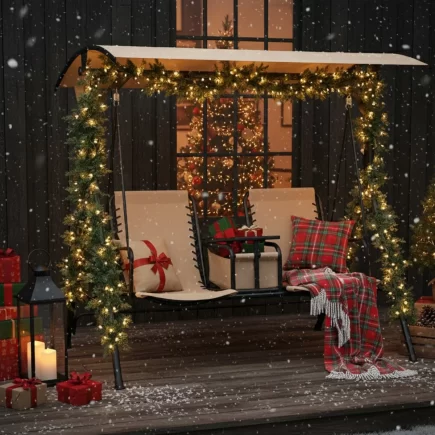
A cantilever parasol or portable awning set up over your cooking and seating area adds an extra layer of weather protection without crowding your sleeping space, keeping gear dry during sudden showers.
Organize Your Tent Interior Like a Small Room
A cluttered tent feels smaller and less restful than it should. Designate specific zones: sleeping area, gear storage, and a small “entryway” for shoes and dirty boots.
- Use hanging organizers on the tent walls for small items.
- Keep headlamps and flashlights in the same spot every night.
- Store valuables in a dry bag near your pillow.
Light Your Campsite the Right Way at Night
Good lighting affects both safety and comfort. A combination of a lantern for ambient light and a headlamp for tasks covers most needs without draining batteries too fast.
| Light Type | Use Case | Runtime (avg) |
| LED lantern | Campsite ambiance | 20–40 hrs |
| Headlamp | Hands-free tasks | 15–30 hrs |
| String lights | Setting the mood | 10–20 hrs |
Hang lights at eye level rather than overhead to reduce shadows and glare inside the tent.
Keep Your Devices Charged While You Camp
Dead batteries mean no maps, no photos, and no emergency calls. A portable power bank with at least 20,000mAh capacity can typically charge a phone 4-5 times over a weekend trip.
- Solar chargers work well for longer trips with sun exposure.
- Keep devices in airplane mode to conserve battery.
- Bring a multi-port charging hub to avoid tangled cables.
Set Up a Comfortable and Easy Camp Kitchen
A well-organized cooking area saves time and reduces frustration. Keep your stove, fuel, and utensils in one dedicated bin so nothing gets lost in the shuffle between meals.
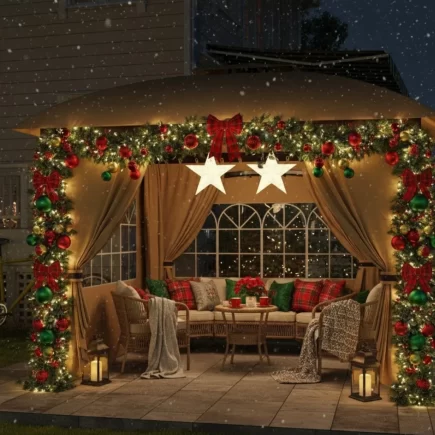
A Foldable Camping Table paired with a compact camp stove creates an efficient workstation. Setting up under a shade canopy also keeps you cooking comfortably even during peak sun hours.
Block Out Bugs and Noise at Your Campsite
Bugs and noise are two of the most common complaints among campers. A tent with fine mesh netting keeps insects out while still allowing airflow. Citronella candles or portable bug zappers add another layer of defense.
- Use earplugs for noisy campgrounds or windy nights.
- Treat clothing and gear with permethrin before the trip.
- Keep food sealed and stored away from the sleeping area.
Budget-Friendly vs Premium Comfort Upgrades
Comfort upgrades don’t have to break the bank, but knowing where to splurge versus save helps you prioritize.
| Upgrade | Budget Option | Premium Option |
| Sleeping surface | Basic foam pad | Self-inflating air mattress. |
| Lighting | Simple headlamp | Rechargeable lantern system. |
| Shelter add-on | Basic tarp | Cantilever parasol/awning. |
| Power | Compact power bank | Solar charging kit. |
Start with budget essentials, then upgrade one category per trip based on what bothered you most last time.
Quick Comfort Hacks That Most Campers Forget
- Bring a small doormat or rug for the tent entrance to reduce tracked-in dirt.
- Pack a spare set of dry socks in a sealed bag, just for sleeping.
- Use noise-canceling earplugs even if you don’t think you’ll need them.
- Bring duct tape for quick tent or gear repairs.
- Set up your tent facing away from prevailing wind direction.
Final Checklist for Your Next Camping Trip
Before you head out, run through this quick list to make sure comfort essentials aren’t left behind:
✅ Sleeping pad with adequate R-value.
✅ Weather-appropriate sleeping bag and liner.
✅ Tent seam-sealed and stakes packed.
✅ Lighting setup (lantern + headlamp).
✅ Power bank fully charged.
✅ Shade or weather cover for the kitchen area.
✅ Bug protection and earplugs.
Choosing the right camping gear can make Camping Tent more comfortable and enjoyable. From sleeping and weather protection to lighting and cooking, small details make a big difference. With Aosom, choosing practical camping essentials can help create a more organised and relaxing outdoor setup.
FAQs
Choose level, firm and well-drained ground away from dead trees, steep slopes and areas where water may collect. Check the surroundings before pitching your tent and consider shade, wind exposure and convenient access to campsite facilities.
A good-quality tent can last for several years with proper care and suitable storage. Regular exposure to strong sunlight, moisture and rough handling can cause faster wear, so clean and completely dry your tent before storing it after every trip.
Remove loose dirt and debris before wiping the tent with water and a mild cleaner when necessary. Let the fabric, poles and other components dry completely before packing them away to help prevent mould, mildew and unpleasant smells.