























Choosing a kitchen mixer comes down to matching the machine to how you actually cook and bake. A mixer that’s perfect for weekly cookie batches may fall short for someone kneading bread dough twice a week. This guide breaks down the factors that matter most, so you can shop with confidence instead of guessing.
1. Motor Power and Performance
The motor is the heart of any mixer, and wattage directly affects what tasks it can handle without straining. Lower-wattage motors work fine for light jobs, but heavier mixtures like bread dough need more muscle behind them.
- 200-300W: Whipped cream, cake batter, light frosting.
- 300-500W: Cookie dough, mashed potatoes, pancake batter.
- 500-800W+: Bread dough, pizza dough, heavy kneading.
Tip: If bread baking is even an occasional part of your routine, don’t undersize the motor. An underpowered mixer working overtime on dense dough wears out faster.
2. Speed Settings and Control
More speed options give you finer control over texture, which is more useful than most people expect. A single-speed mixer can overwhelm delicate ingredients like whipped egg whites or knock the air out of a meringue.
Look for a range that covers slow stirring, medium blending, and fast whipping, ideally with 6 to 12 distinct settings. This range lets you start low to avoid flour clouds, then build up speed as ingredients combine.
3. Bowl Material and Build
Stainless steel bowls are the industry standard for good reason. They resist staining, don’t absorb odors, and hold up to years of daily use without cracking or clouding the way some plastic bowls do.
- Stainless steel: Durable, dishwasher-safe, resists odor retention.
- Glass: Easy to see mixing progress, but heavier and prone to chipping.
- Plastic: Lightweight and affordable, but scratches and stains over time.
A fine-polished, food-grade steel bowl is worth prioritizing, since it directly affects both hygiene and how long the bowl lasts.
4. Bowl Capacity and Design
Bowl size should be based on your household size and how often you bake in bulk. Buying too small means mixing in multiple batches; buying too large adds unnecessary bulk to your counter.
| Bowl Capacity | Best For |
| 3-4 Qt | Single person or small households, occasional baking. |
| 5-6 Qt | Small families, regular home baking. |
| 7 Qt+ | Large families, frequent bread baking, batch cooking. |
Tip: A nesting bowl design lets you use a smaller cavity within the larger bowl for small-batch tasks, giving you flexibility without needing a second mixer.
5. Included Attachments and Task Versatility
Standard attachments determine how much a mixer can do straight out of the box, and this varies between brands more than most buyers realize. Most mixers include some combination of a whisk, beater, and dough hook.
| Attachment | Best For |
| Whisk | Whipped cream, egg whites, light batters, sauces. |
| Beater | Cookie dough, cake batter, mashed potatoes, crepes. |
| Dough Hook | Bread dough, pizza dough, pasta dough. |
Check what comes standard versus what’s sold separately before buying, since add-on attachments can add real cost after the fact.
6. Mess Prevention and Ease of Use
Splash guards make a noticeable difference during actual use, especially at higher whipping speeds. A guard with an access hatch lets you add ingredients mid-mix without pausing the machine or lifting the lid entirely.
- Reduces flour and liquid splatter on the counter.
- Keeps hands and clothing cleaner while mixing.
- Speeds up multi-step recipes by removing the need to stop and start.
This is a small feature that carries more everyday value than it suggests on a spec sheet.
7. Head Design and Operational Safety
Tilt-head designs are common in home kitchens because they make swapping bowls and attachments simpler than bowl-lift models. The head locks into place during mixing, keeping the beater positioned close to the bowl for even contact.
Auto power-off when the head is tilted up is a safety feature worth prioritizing, since it prevents accidental startup while attachments are being changed. This detail is especially helpful if you have kids in the kitchen or tend to multitask while cooking.
8. Digital Display and Smart Controls
An LCD display that shows time and speed settings helps with multitasking during longer recipes. Instead of guessing how long you’ve been mixing, a built-in timer lets you step away and handle other prep work.
This is especially useful for recipes with specific mixing time requirements, such as meringues or certain bread doughs, where over-mixing or under-mixing changes the final texture.
9. Noise Level and Kitchen Comfort
Noise level rarely gets attention in mixer reviews, but it becomes important in open-concept homes or apartments where the kitchen isn’t separated from living spaces. A motor operating under 60 decibels is noticeably quieter than older or budget models.
Tip: If you bake early in the morning or around a napping toddler, checking the decibel rating before buying can save you some frustration later.
10. Size and Countertop Footprint
Countertop space is limited in most kitchens, so a mixer’s dimensions are just as important as its capacity. A compact footprint with reasonable base height also makes storage under cabinets easier.
- Measure available counter space before buying, including clearance height under cabinets.
- Decide whether the mixer will stay out permanently or get stored between uses.
- Remember that larger bowl capacities usually mean a larger base.
11. Build Stability and Durability Features
A mixer that vibrates or shifts across the counter during heavy kneading is both distracting and a safety concern. Anti-slip feet and a solid, weighted base help keep the machine planted during high-speed or high-torque tasks.
Heat dissipation vents also affect long-term durability, since motors that run hot during extended use tend to fail sooner. A sturdy housing material, such as ABS, paired with visible ventilation is a good sign of solid engineering.
Choosing a Kitchen Mixer is about finding the right balance between performance, convenience, and long-term value for your kitchen. Paying attention to the features that suit your cooking habits can help you avoid compromises later. With the right option from Aosom, everyday mixing and baking can become simpler, more efficient, and more enjoyable.
FAQs
A kitchen mixer can handle tasks such as mixing cake batter, kneading dough and whipping cream. Depending on the attachments, it may also help with other food preparation jobs. The right model can make frequent baking and cooking tasks quicker.
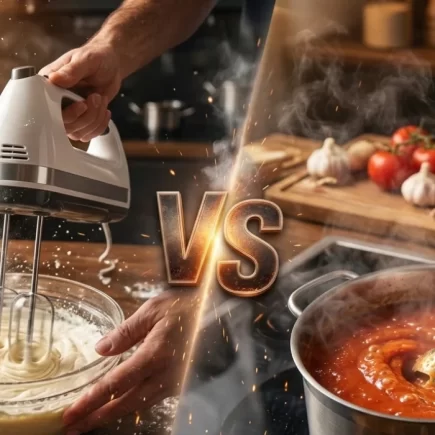
A stand mixer is generally better for larger batches and heavier mixtures because it works hands-free. A hand mixer is more compact and easier to store, making it useful for occasional baking. Your choice depends on available space and how often you bake.
Many kitchen mixers are designed to knead bread dough when fitted with the appropriate dough hook. However, capacity and motor capability vary between models. Always check the manufacturer’s guidance for maximum dough quantities.