


Last Updated: 07/30/2026
Abstract
This article examines the durability of engineered wood cabinets, emphasizing that long-term performance is not solely determined by material type but by a combination of design, assembly, usage, and environmental factors. Through analysis of common user concerns, installation practices, load distribution, surface protection, and moisture exposure, we provide evidence-based guidelines to extend cabinet lifespan.
Keywords
Engineered wood, cabinet durability, furniture assembly, load distribution, moisture resistance, surface protection, cabinetry maintenance
1. Cabinet Durability — Not Just About Solid Wood
Most affordable cabinets use engineered wood, not solid wood. This doesn’t mean they are low quality—they are designed for everyday storage
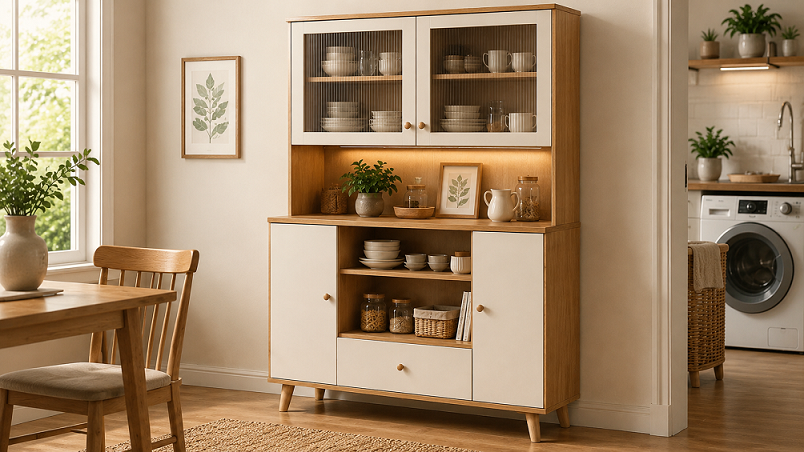

More suitable for

Kitchen organization
Dining room sideboards
Laundry or utility rooms
Bedroom linens
Home office or craft storage

Choose Based on Use, Not Material Name
Engineered wood cabinets can provide years of reliable performance when used for everyday indoor storage. Focus on whether the cabinet matches your needs rather than judging it by the material name alone.
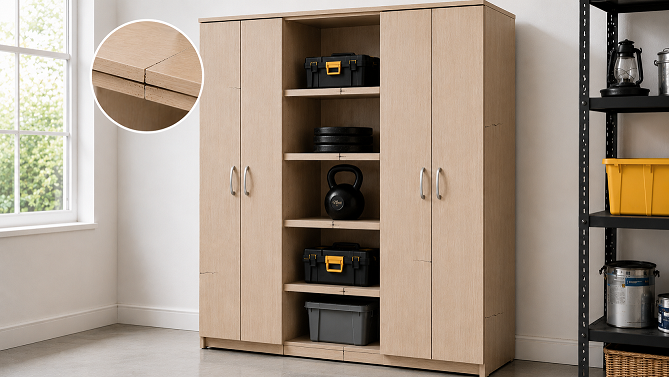

Not suitable for
Custom solid wood cabinetry
Heavy-duty commercial storage
Waterproof bathroom cabinets
Cabinets exposed to constant moisture or heavy weight
Avoid Using Cabinets Beyond Their Intended Purpose
Even a well-built cabinet can fail prematurely if exposed to excessive moisture, heavy loads, or commercial-level use. Matching the cabinet to the right environment is key to long-term durability.
Common Material
Material | Common Misconception | Expert Insight |
|---|---|---|
Solid Wood | All wood-grain cabinets are solid wood | True solid wood is heavier, stronger, and exhibits natural grain patterns, making it ideal for durable cabinetry |
MDF (Medium-Density Fiberboard) | Not solid wood = low quality | Smooth and stable surface, suitable for paint and shaping; performance may degrade under long-term moisture exposure |
Particleboard / Chipboard | Particleboard = unusable | Engineered for affordable furniture; structurally adequate for everyday storage but not heavy-duty applications |
Veneer / Laminate | Looks like solid wood, must be solid | Purely a surface finish; does not reflect the internal core material |
What to Check Before Purchasing
2. Surface Durability – Scratches and Chipping Depend on Finish and Usage
Common user feedback includes:
- Surfaces are easily scratched
- Paint or finish chips on edges
- Coating rubs off
- Wood veneer lifts or peels
- Minor dents or damage upon delivery
Common Surface Finishes
Surface Type | Characteristics | Usage Notes |
|---|---|---|
Painted finish | Clean, matte appearance; suitable for white or grey cabinets | Protect edges from sharp objects to prevent chipping |
Laminate | Durable daily-use surface; consistent texture | Avoid prolonged water contact; edges may delaminate if exposed |
Wood-effect veneer | Realistic wood grain visual effect | Not solid wood; avoid excessive abrasion |
Melamine finish | Common on budget panel furniture; hard-wearing | Durable for daily use, but edges still need care |
Why edges and corners are most prone to damage
Edges and corners are the points most likely to experience collisions, friction, and concentrated stress.
Common vulnerable spots include: Door panel edges; Front edges of shelves; Drawer panel corners; Top panel corners; Areas near screw holes; Board edges that contact the floor during handling
User recommendations
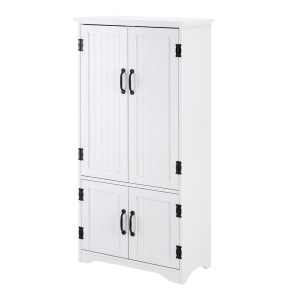
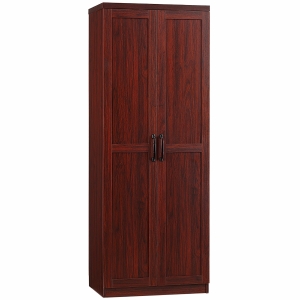
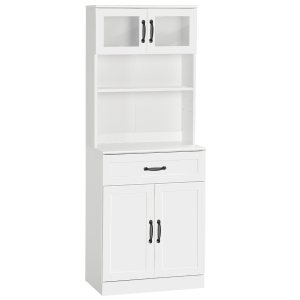
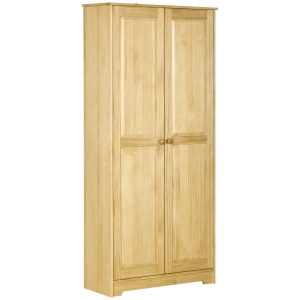
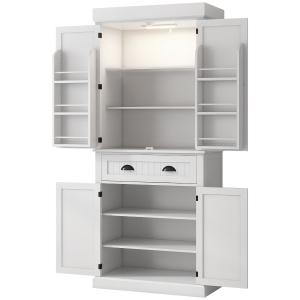
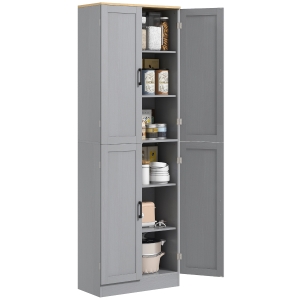
Find Your Idea Cabinet
3. Why Does Screw Installation Affect Durability?
Common user concerns include:
- Why did the board crack when I tightened the screw?
- Can I use a power screwdriver?
- Why do screw holes become loose over time?
- Why do cabinet doors loosen after a period of use?
- Why does the handle wobble?
Key Insight
Common Installation Mistake | Potential Consequence |
|---|---|
Using a power screwdriver improperly | Stripped screw holes, cracked panels |
Fully tightening all screws at the beginning | Cabinet becomes difficult to align; uneven door gaps |
Using the wrong screw specification | Loose handles or screws penetrating the panel |
Repeatedly assembling and disassembling the same hole position | Enlarged screw holes and reduced holding strength |
Failing to fully tighten cam locks/connectors | Reduced structural stability |
Over-tightening hinge or handle screws | Door panel cracking, warping, or deformation |
Correct Installation Practices
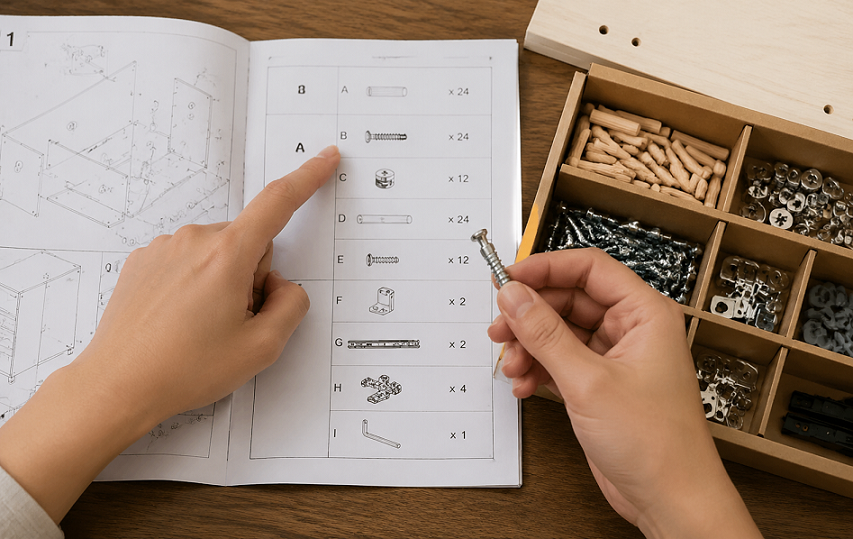
Verify screw types before assemblyAlways identify and match the correct screws according to the instruction manual.
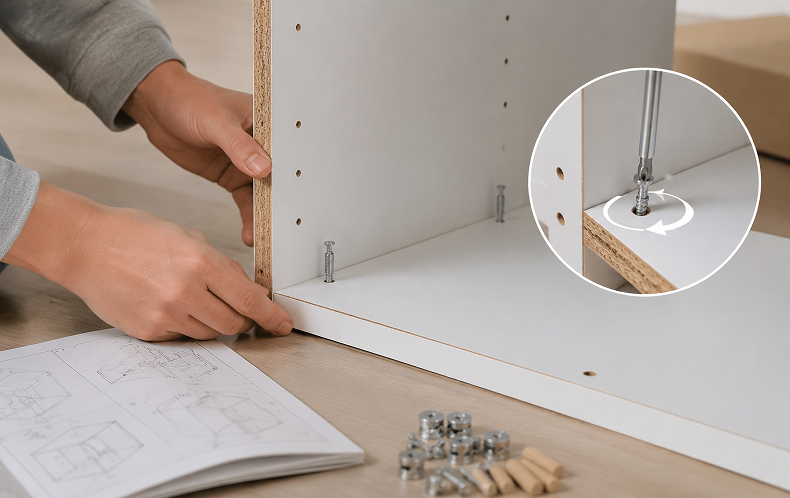
Position components before fully tighteningLoosely install screws first to allow for alignment adjustments.
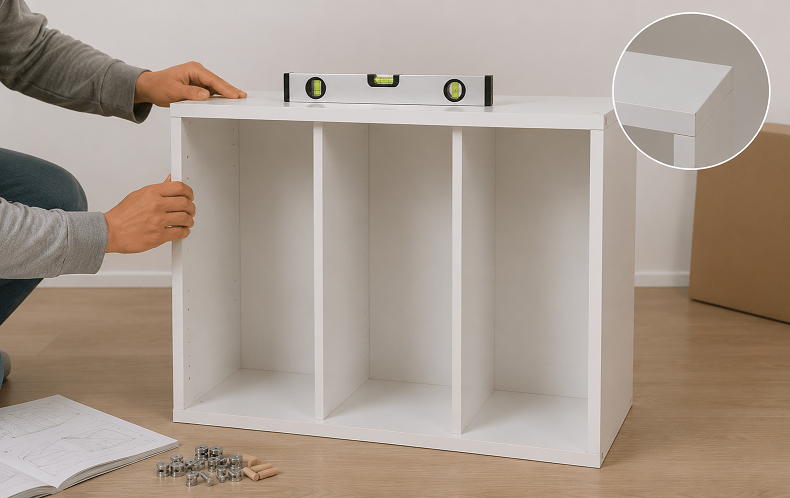
Tighten gradually after the frame is alignedOnce the cabinet structure is square and aligned, tighten fasteners evenly and progressively.
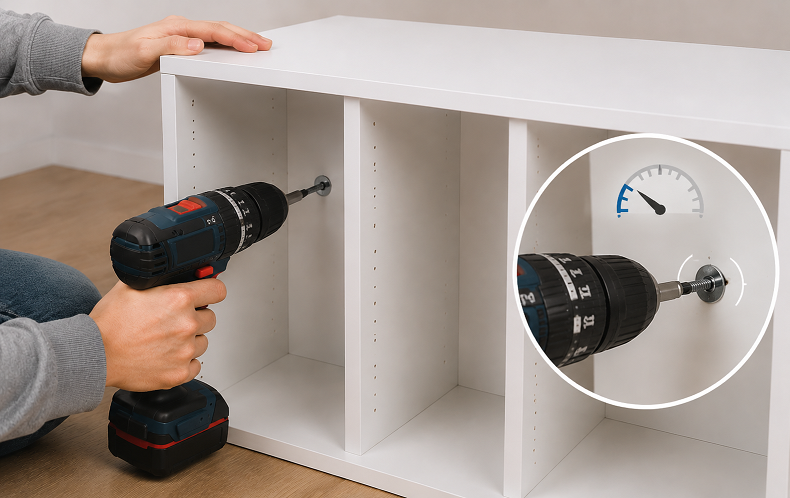
Use power tools at low speedHigh torque can strip screw holes or damage engineered wood panels.
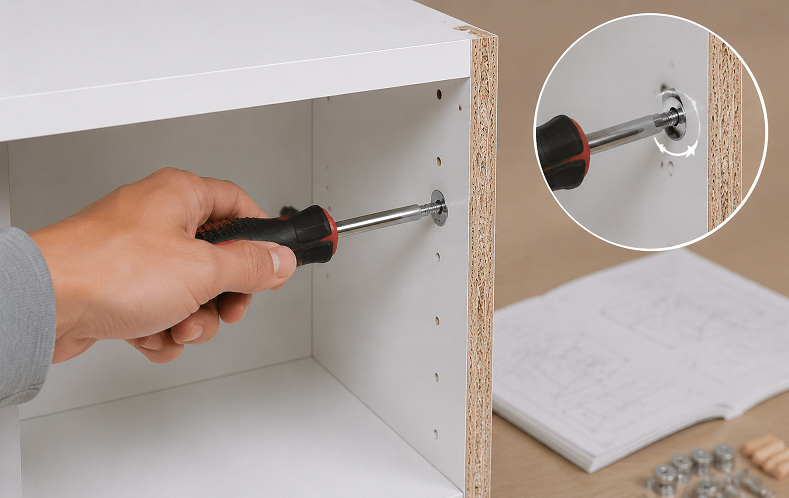
Finish with a hand screwdriverUse manual tightening for final adjustments to avoid over-tightening.
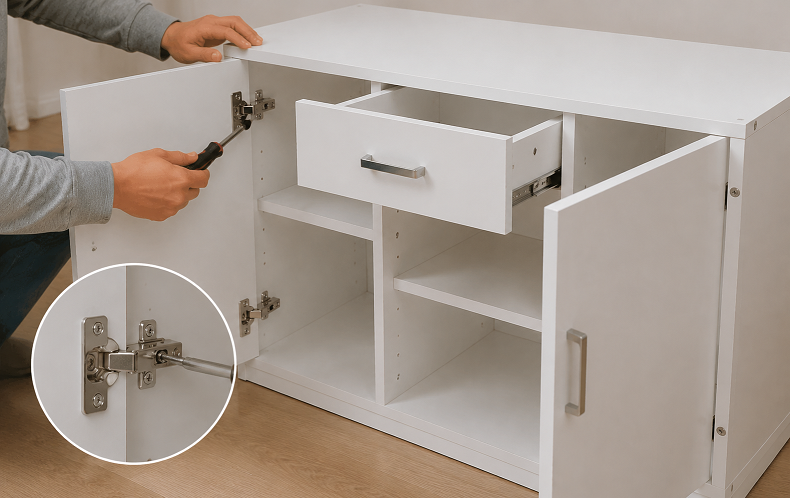
Perform a final hardware checkAfter installing doors and drawers, recheck all screws, hinges, and connectors to ensure they are secure.
4. Load Capacity Is About More Than the Total Weight Rating
Common user concerns include:
- How much weight can a shelf support?
- Can drawers hold heavy items such as cookware?
- Can the countertop support a microwave or small appliances?
- What is the overall weight capacity of the cabinet?
- Will the cabinet sag, bend, or deform when fully loaded?
Component | Load-Bearing Considerations |
|---|---|
Top Panel | Suitable for lightweight decorative items. Not intended for heavy appliances unless specifically rated. |
Open Surface / Countertop | May support small appliances such as microwaves or coffee makers, depending on weight and dimensions. Always check product specifications. |
Adjustable Shelves | Best for food storage, tableware, and other light-to-medium weight items. |
Fixed Shelves | Generally provide greater stability than adjustable shelves but still have load limits. |
Drawer Bottom Panels | Typically not designed for concentrated heavy loads such as cookware or tools. |
Door Panels | Not intended to support additional hanging or attached weight. |
Back Panels | Provide structural support and squareness but are usually not load-bearing components. |
Weight placement affects cabinet stability
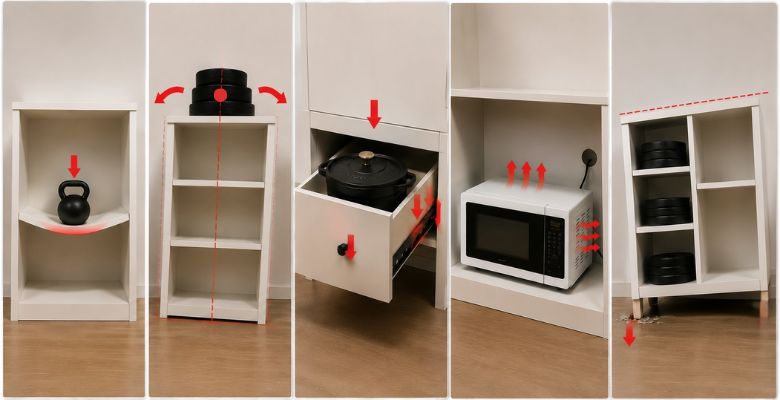

Items placed in the center of a shelf can cause it to sag.
Placing heavy items on the top shelf raises the cabinet’s center of gravity, making it unstable.
Overloading drawers can damage slides and bottom panels.
Small appliances on open shelves require attention to ventilation and cord placement.
Stacking multiple heavy items on one side causes uneven stress, potentially leading to tilt or damage.
User recommendations:
Place heavy items on lower shelves whenever possible.
Avoid long-term overloading of any single shelf.
Drawers are best for light to medium-weight items; avoid heavy cookware or large canned goods.
Confirm countertop weight capacity before placing microwaves or air fryers.
Distribute items evenly on shelves, don’t concentrate weight in the middle.
Do not use cabinets as seating, steps, or heavy-duty platforms.
5. Cabinet suitability depends on moisture exposure
Common spaces:
Kitchen; Bathroom; Laundry room; Basement; Near balconies; Next to sinks
Key insight:
These spaces may have humidity, condensation, water splashes, cleaning agents, or temperature fluctuations.
Hardcore knowledge:
Most engineered wood cabinets are suitable for dry indoor environments.
They can be used in kitchens, dining rooms, bedrooms, and laundry areas as long as they are not exposed to prolonged moisture or direct water contact.
Concept Distinction:
Easy to Clean
The surface can be wiped clean easily.
Water-Resistant
Provides limited protection against occasional splashes and moisture.
Waterproof
Designed to withstand prolonged exposure to water or direct water contact.
Common Misconception:
Many users assume that "easy to clean" means "waterproof." In reality, these are very different performance characteristics.
High-Risk Environments
Environment | Risk |
|---|---|
Next to Sink | Water drops and leaks may cause board swelling |
Bathroom | Long-term humidity may cause deformation or peeling |
Laundry Room | Moisture and vibrations may affect stability |
Basement | Damp conditions may cause odor or mold |
Outdoor or Semi-Outdoor | Not suitable unless clearly marked for outdoor use |
Heat Sources | May affect surface and adhesive layers |
User recommendations:
6. Daily Care and Usage Habits Determine How Long a Cabinet Lasts
Key Issue
Many cabinets do not fail because of the material itself. Instead, surface wear and structural damage often develop gradually due to improper daily use and maintenance.
Commonly Overlooked Factors
- Cleaning with excessively wet cloths
- Using harsh or abrasive cleaning products
- Placing hot cookware or small appliances directly against the surface
- Repeatedly slamming cabinet doors
- Continuously overloading drawers
- Loading heavy items into tall cabinets without wall anchoring
- Using cabinets in humid, poorly ventilated spaces
Key Insight
Cabinet durability is the result of three factors working together:
Material Quality + Proper Installation + Daily Usage Habits
The same cabinet can perform very differently over time depending on how it is used and maintained. Good habits can significantly extend its lifespan, while poor habits can accelerate wear, deformation, and structural issues.
Correct vs. Incorrect Practices
Recommended Practice | Incorrect Practice |
|---|---|
Clean surfaces with a dry or slightly damp cloth. | Prolonged exposure to moisture |
Wipe up spills immediately and keep surfaces dry. | Exceeding the intended weight capacity |
Use mild household cleaners. | Frequent moving or dragging |
Leave adequate clearance around small appliances for heat dissipation. | Over-tightening screws |
Open and close doors gently. | Long-term use with misaligned doors |
Keep drawer loads within their intended capacity. | Concentrating heavy loads in the center of a single shelf |
Lift cabinets when moving them. | Storing overweight items in drawers for extended periods |
Inspect screws, hinges, and hardware periodically. | Scratching the surface with sharp objects |
User Recommendations:
7. Distinguishing Normal Wear from Structural Defects
Normal wear may appear over extended use but does not necessarily indicate a structural or material failure.
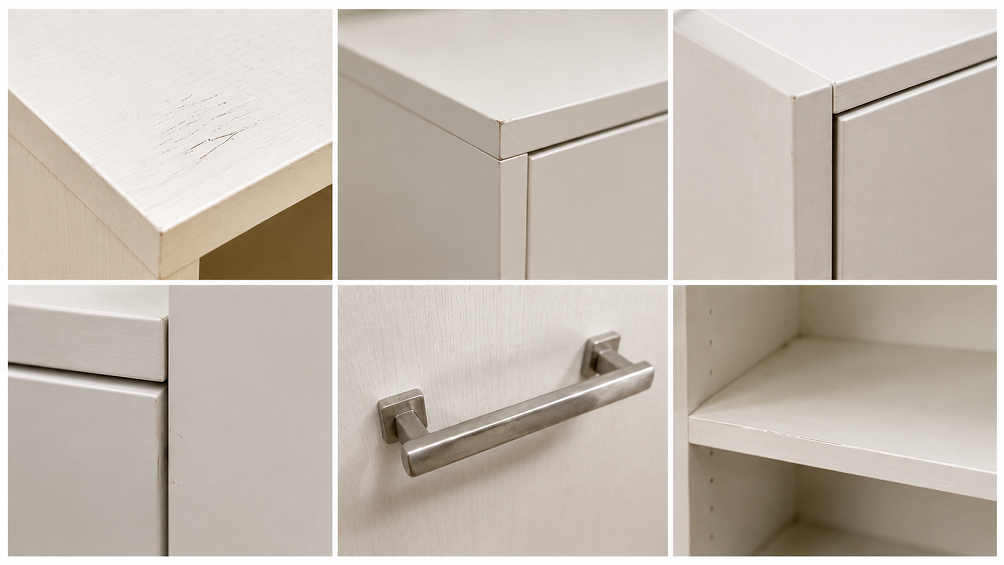

Normal Signs of Use

Minor surface scratches can result from everyday use, cleaning, or contact with household items.
Light edge wear or small chips may occur during transportation, assembly, or regular handling.
A noticeable new furniture odor is often caused by board materials, finishes, adhesives, or packaging and typically dissipates with ventilation.
Changes in door alignment or gap spacing may occur over time and usually require simple hinge adjustments.
Slight handle movement can develop through regular use and is often resolved by re-tightening the screws.
Key Insight
Not every cosmetic imperfection is a quality issue. Many signs of wear are a normal consequence of transportation, assembly, environmental conditions, and long-term use, while the cabinet's structural performance remains unaffected.
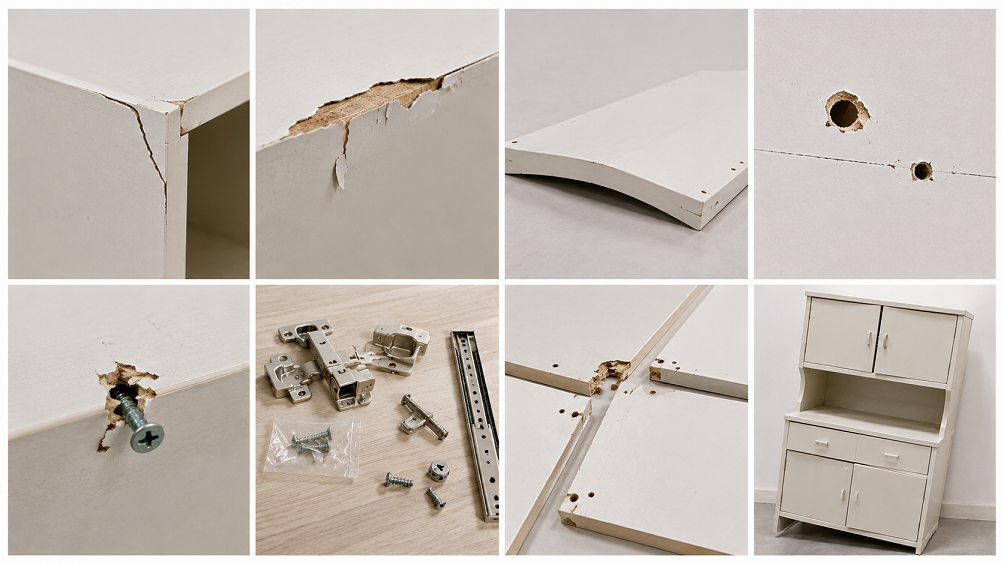

Quality Issues
Major panel cracks upon delivery
Large areas of paint peeling or surface flaking
Panels are visibly warped or deformed
Screw holes are severely misaligned
Screws cannot be tightened
Hinges, drawer slides, or other hardware components are missing
Panels cannot be properly installed
The assembled cabinet shows noticeable structural imbalance
Pro Tip
These situations are more indicative of potential quality defects, and if any occur, the customer should contact after-sales support.
User Recommendations:
Before starting assembly, inspect all parts carefully.
Check the following:
- Whether the outer packaging shows significant damage
- Whether any major panels have visible cracks
- Whether doors, drawer fronts, or countertops have noticeable scratches
- Whether all hardware and fasteners are included
- Whether all labeled panels are present
- Whether all cartons in the shipment have been delivered
If any issue is found, take photos first and contact customer support before assembly. Do not force assembly of damaged or incomplete parts.
Conclusion
Cabinet durability is a function of material choice, assembly accuracy, load management, environmental exposure, and daily maintenance. Proper installation, evenly distributed weight, moisture control, and careful handling are key determinants of long-term performance, even for budget-friendly engineered wood cabinets.
References
Smith, J., & Thompson, L. (2018). Furniture Materials and Long-Term Durability. Journal of Wood Science, 64(3), 345–356.
Johnson, P. (2020). Load Distribution and Structural Integrity in Cabinetry. International Journal of Interior Design, 12(2), 89–102.
Carter, R., & Lee, M. (2019). Surface Protection Techniques for Engineered Wood Furniture. Furniture Research Quarterly, 31(1), 15–27.
Anderson, T. (2017). Environmental Effects on Engineered Wood Furniture. American Journal of Wood Science, 56(4), 201–215.
Johnson, P. (2020). Load Distribution and Structural Integrity in Cabinetry. International Journal of Interior Design, 12(2), 89–102.
Carter, R., & Lee, M. (2019). Surface Protection Techniques for Engineered Wood Furniture. Furniture Research Quarterly, 31(1), 15–27.
Anderson, T. (2017). Environmental Effects on Engineered Wood Furniture. American Journal of Wood Science, 56(4), 201–215.
Author
Michael J. Davenport is an American cabinetry design engineer with over 20 years of experience in residential and commercial furniture design. Specializing in engineered wood systems, he has contributed to multiple high-profile cabinetry projects across the United States, focusing on durability, ergonomics, and practical maintenance solutions.