



















Chicken Runs: The Ultimate Solution for Safe and Happy Flocks
If you keep chickens, you already know that a secure outdoor space is essential for their health and happiness. A chicken run gives your flock the freedom to scratch, peck, and soak up the sun while keeping them safe from predators. Whether you have a small backyard flock or a larger homestead, finding the right chicken run for sale can feel overwhelming. At Aosom, we carry a wide selection of metal and wooden chicken runs designed to fit different spaces, budgets, and chicken counts. This guide will help you understand the key features, materials, and sizes so you can choose the best chicken coop run for your needs.
Why Your Chickens Need a Dedicated Run
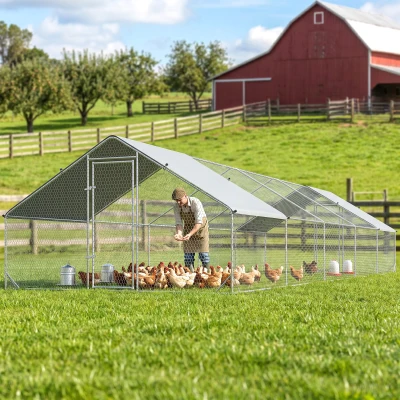
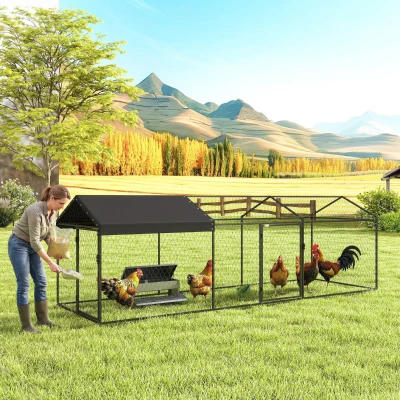
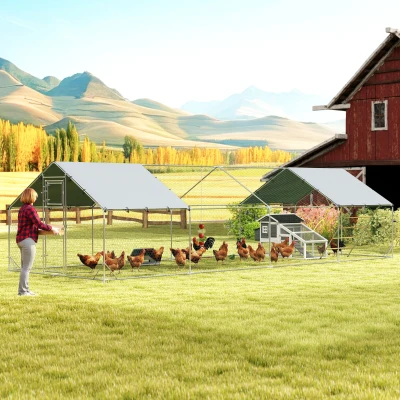
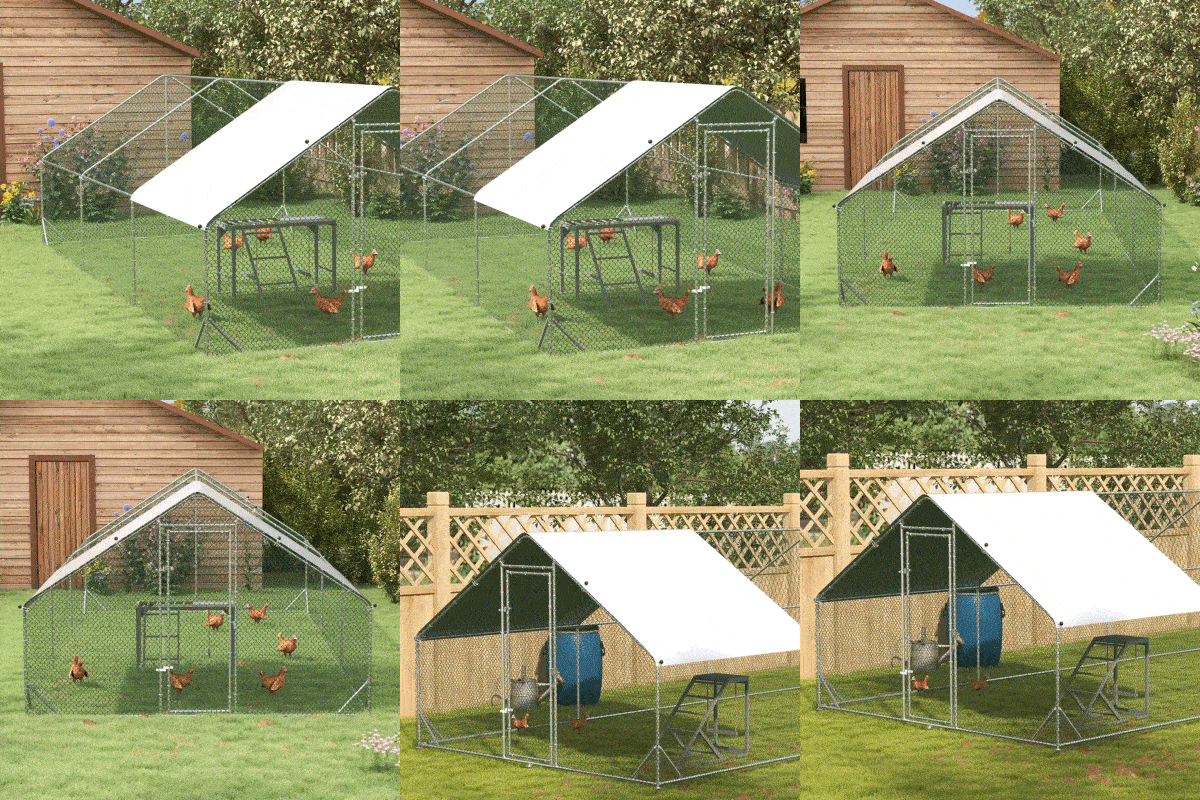
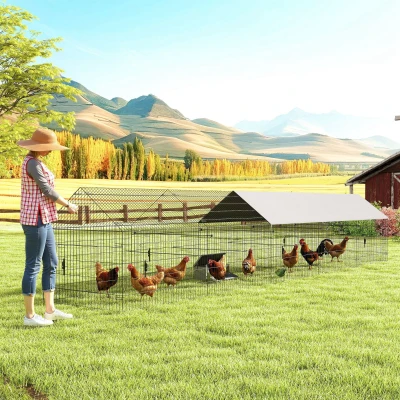
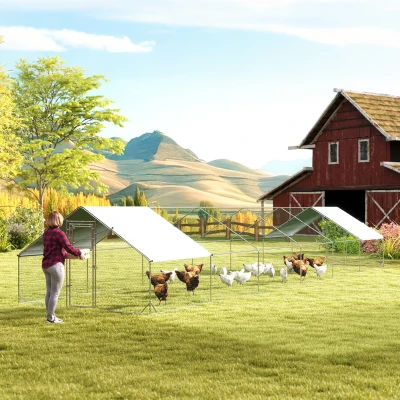
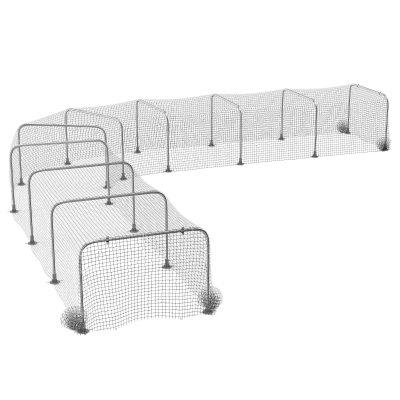
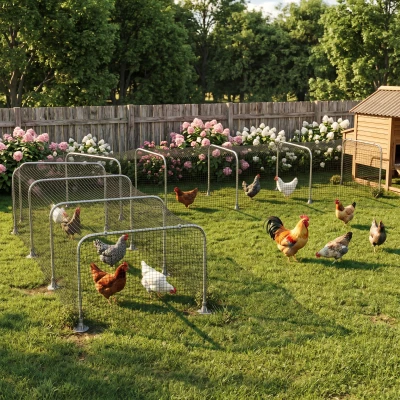
A chicken run is more than just a fence. It is a protected environment that allows your chickens to exhibit natural behaviors while staying safe from hawks, raccoons, foxes, and other predators. Unlike free-ranging, which exposes your flock to traffic, dogs, and theft, a run provides a controlled space where you can monitor their health and egg production. Many of our runs also include a waterproof and anti-UV cover, which protects chickens from rain and harsh sun, reducing stress and keeping the area dry. If you already have a coop, adding a run expands their living space without the need for a completely new setup. For those starting from scratch, a chicken coop run combination offers both shelter and exercise space in one convenient package.
Metal vs. Wooden Chicken Runs: Which Is Right for You?
The two main materials for chicken runs are metal (often galvanized steel) and wood. Each has its own advantages, and the best choice depends on your climate, predator pressure, and maintenance preferences. The table below summarizes the key differences based on the products available on this page.
| Feature | Metal Chicken Run | Wooden Chicken Run |
|---|---|---|
| Durability | Excellent; rust-resistant if galvanized | Good; requires treatment against rot and insects |
| Maintenance | Low; wipe down or hose off | Moderate; repaint or seal annually |
| Predator resistance | High; strong steel mesh | Moderate; can be chewed or dug under |
| Aesthetics | Industrial, modern | Natural, blends with garden |
| Assembly | Usually bolt-together panels | May require more tools and time |
| Best for | Large flocks, high predator areas | Small flocks, backyard settings |
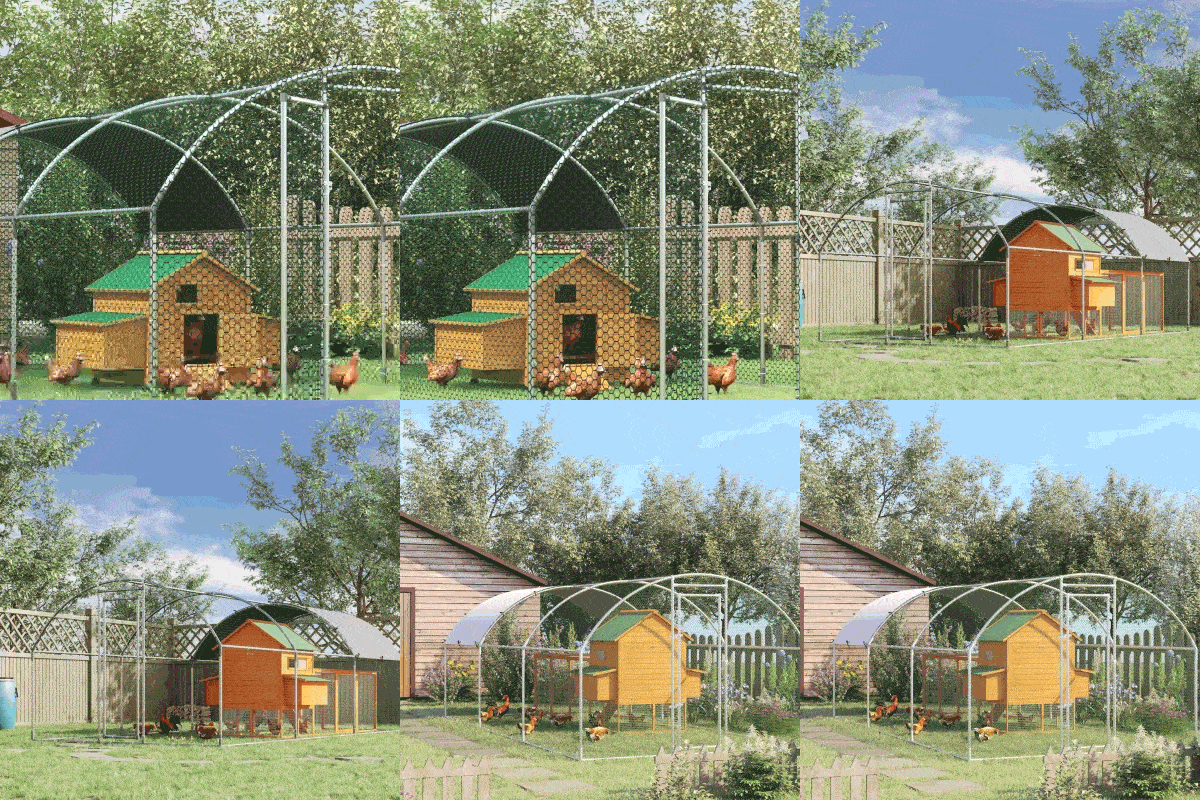
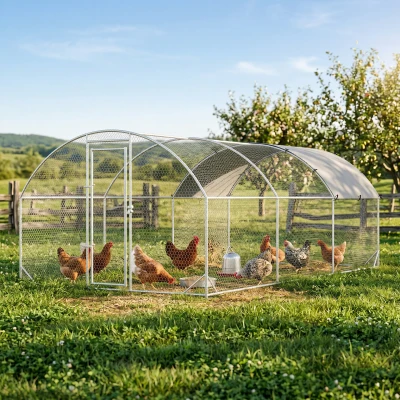
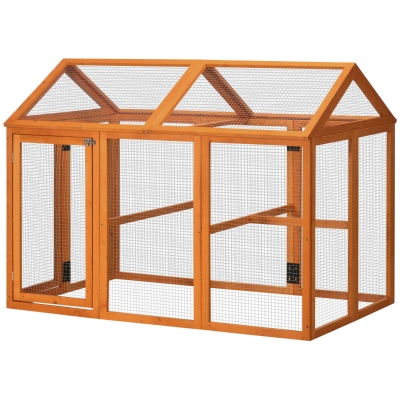
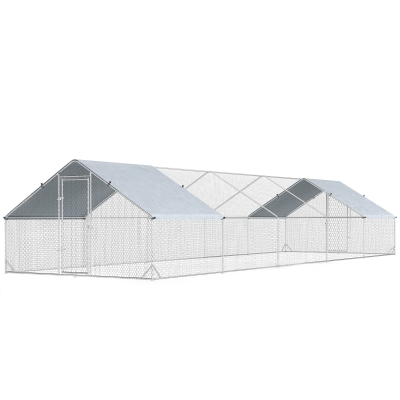
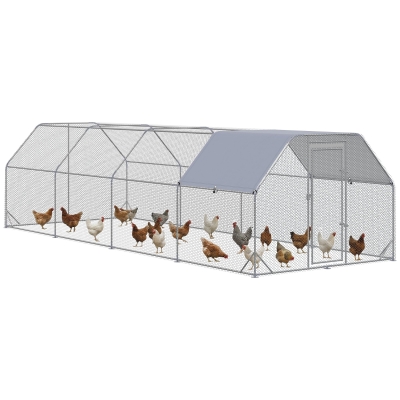
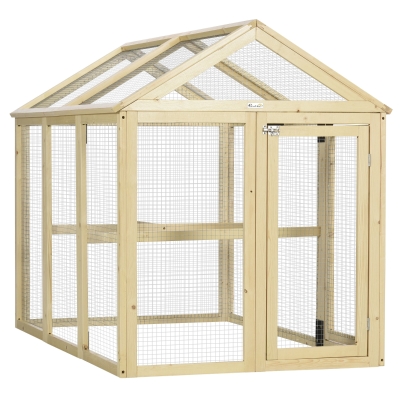
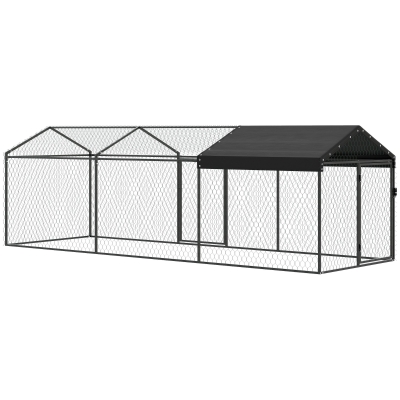
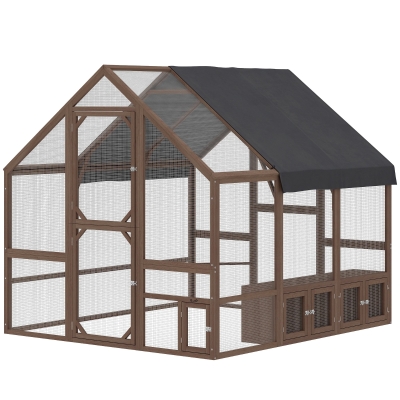
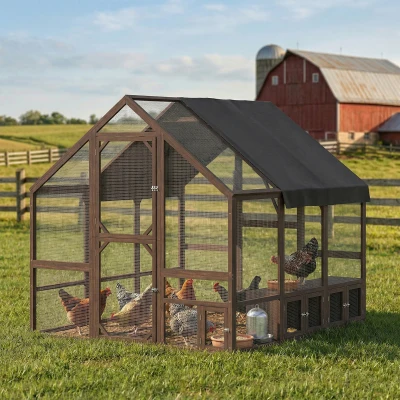
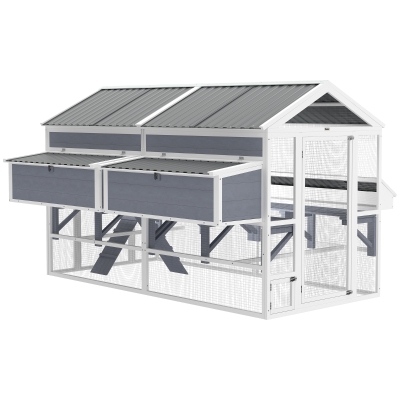
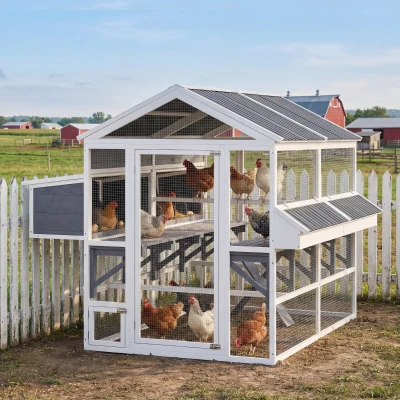
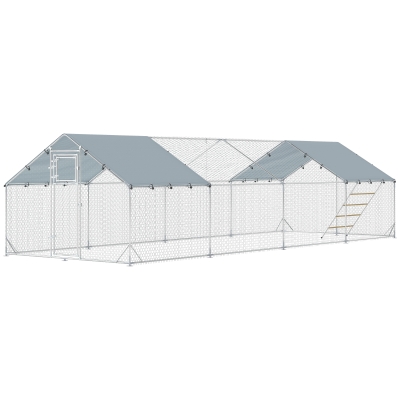
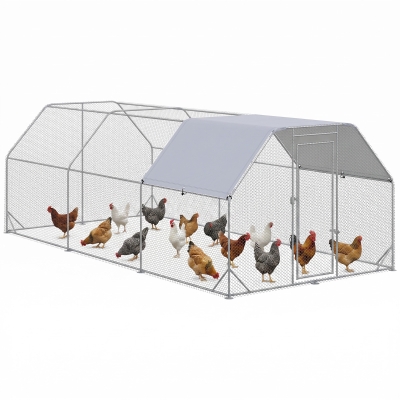
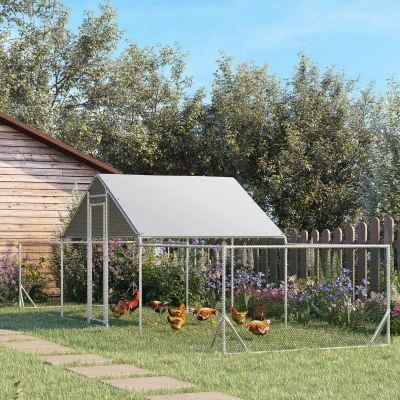
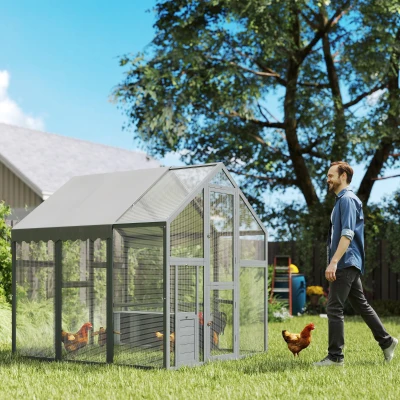
For example, the PawHut Large Dome Chicken Coop is a galvanized metal run that offers exceptional strength and a walk-in design. On the other hand, the PawHut 4.6' Wooden Chicken Run provides a more natural look and includes perches for roosting. Both are excellent choices, but they suit different priorities.
Choosing the Right Size for Your Flock
The size of your chicken run should be based on the number of chickens and their need for space. A general rule of thumb is to provide at least 8 to 10 square feet per chicken in the run, in addition to the coop space. If your chickens are confined to the run all day, aim for 15 square feet per bird to prevent boredom and aggression. Our selection includes runs that accommodate 3 to 5 chickens all the way up to 25 or more. For small flocks, a compact run like the PawHut 4.6' Wooden Chicken Run works well. For larger flocks, consider a heavy-duty option such as the PawHut Large Metal Chicken Coop, which measures 9.8' x 6.6' and can house several chickens comfortably. If you need even more space, the PawHut Large Wooden Chicken Coop with Run is designed for 8-10 hens and includes nesting boxes and perches.
Key Features to Look For
When shopping for a chicken run, pay attention to these features:
Weather protection: A waterproof and anti-UV cover keeps the run usable in all seasons and protects chickens from extreme weather. Many models, like the PawHut Large Outdoor Chicken Coop, include this feature.
Predator-proof design: Look for sturdy mesh, lockable doors, and a secure frame. Galvanized steel is your best bet for keeping determined predators out.
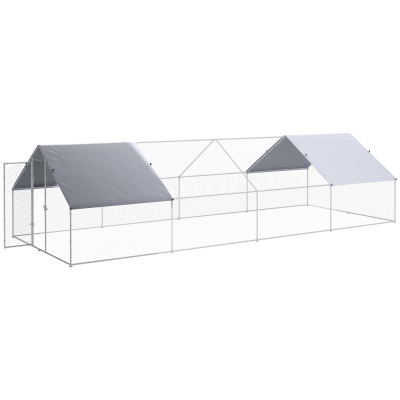
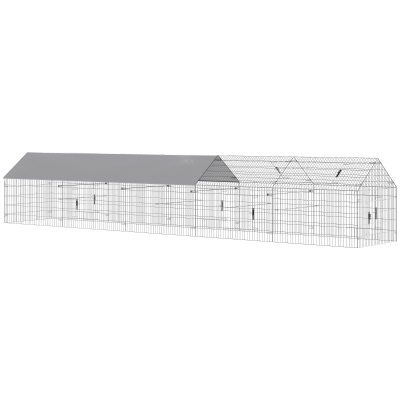
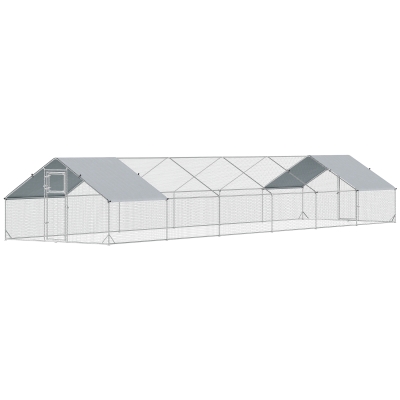
Easy access: Walk-in height, feeding doors, and removable trays make daily chores much easier. Some runs, like the PawHut 26' x 10' Metal Chicken Coop, even include a feeding door and hanging feeder.
Expandability: If you plan to grow your flock, a modular or combinable design allows you to add on later. The wooden runs from PawHut often feature this flexibility.
Maintenance Tips for a Long-Lasting Run
A little care will keep your chicken run in good condition for years. For metal runs, check regularly for rust and touch up any scratches with a rust-resistant paint. For wooden runs, apply a pet-safe wood sealant annually to prevent moisture damage. Clean the run by removing droppings and bedding weekly, and disinfect it seasonally. Ensure the ground inside the run is well-drained; if not, add a layer of gravel or sand. Finally, inspect the mesh and locks for signs of wear or digging attempts by predators. By staying proactive, you protect your investment and your flock.
Frequently Asked Questions
1. What is the difference between a chicken coop and a chicken run?
A chicken coop is the enclosed shelter where chickens sleep, lay eggs, and escape bad weather. A chicken run is the outdoor enclosure attached to or separate from the coop, giving chickens space to exercise and forage safely during the day. Many of our products combine both, like the PawHut Large Wooden Chicken Coop with Run.
2. Do I need a chicken run if my chickens have a large yard?
Even with a large yard, a run is highly recommended. It protects chickens from predators, keeps them from wandering into gardens or roads, and provides a secure area when you cannot supervise them. A run also helps contain droppings and makes cleaning easier.
3. How many chickens can fit in a chicken run?
As a rule, provide at least 8-10 square feet per chicken in the run. For example, a run measuring 9.8' x 6.6' (about 65 square feet) can comfortably house 6-8 chickens. If they stay in the run all day, increase to 15 square feet per bird. Always check the product description for recommended capacity.
4. Is a metal or wooden chicken run better for predators?
Metal runs, especially those made of galvanized steel, are generally more resistant to predators because they cannot be chewed through and are harder to dig under if properly secured. Wooden runs can be effective too, but they require more maintenance and may need additional reinforcement at the base.
5. Can I add a chicken run to my existing coop?
Yes, many runs are designed to be attached to a coop or used as a standalone enclosure. Look for runs with compatible dimensions or modular designs. You can also browse our large chicken coops and medium chicken coops for integrated options.