



























Pet Stairs & Dog Ramps – Giving Your Best Friend a Leg Up
Watching your dog hesitate at the foot of the bed, or your cat struggle to reach their favorite sunny window, is heartbreaking. Joint pain, arthritis, or simply shorter legs shouldn‘t keep them from the places they love most. That‘s where the right set of pet stairs or a gently sloping ramp makes all the difference. Our collection of 28 mobility aids from PawHut includes cushioned foam steps for small dogs, sturdy wooden staircases for larger breeds, and folding ramps that tuck behind the sofa or in the car. Whether you need a compact 2-step for a dachshund or an extra-long ramp for a senior golden retriever, you‘ll find options in wood, plastic, and carpeted finishes. Colors range from natural and brown to gray, black, and white – designed to blend with your home, not stand out.
Stairs or Ramp? Choosing What Your Pet Will Actually Use
Both pet stairs and ramps solve the same problem – getting your pet up and down safely – but they suit different needs. Here‘s how to decide which is right for your furry friend:
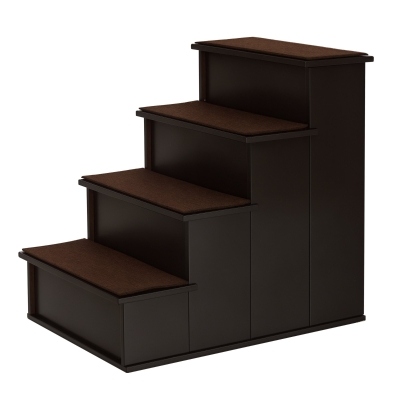
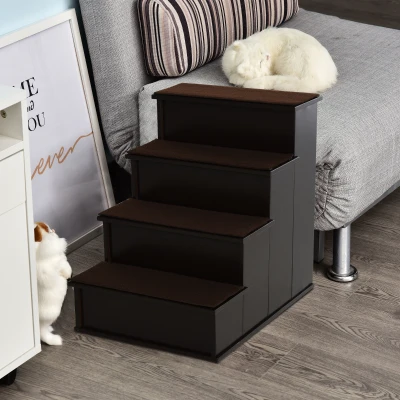
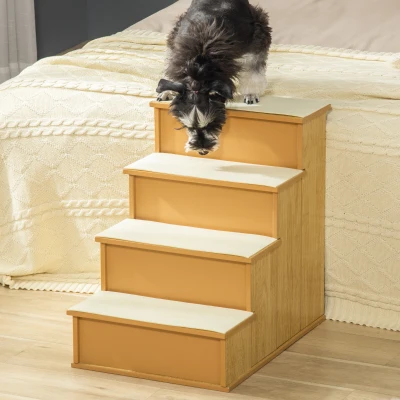
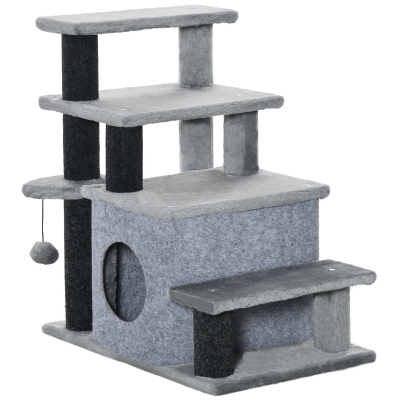
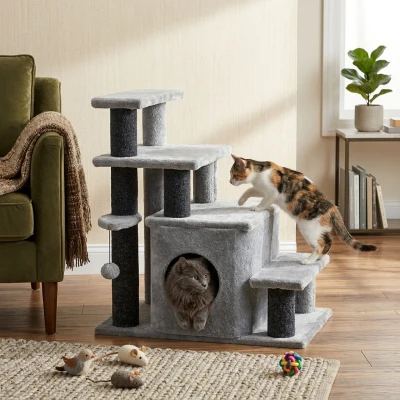
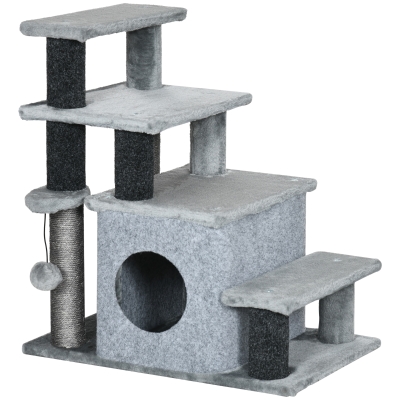
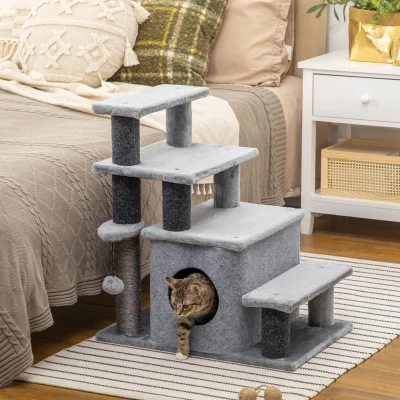
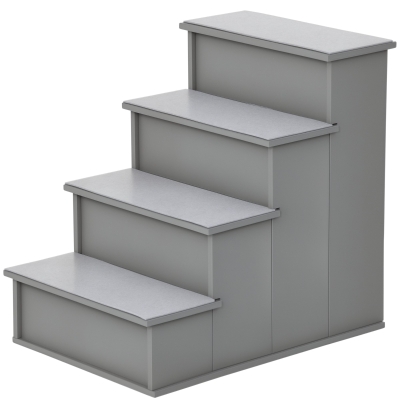
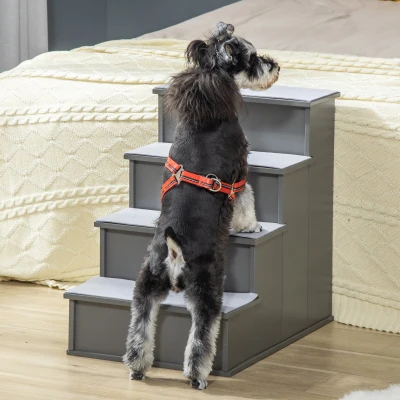
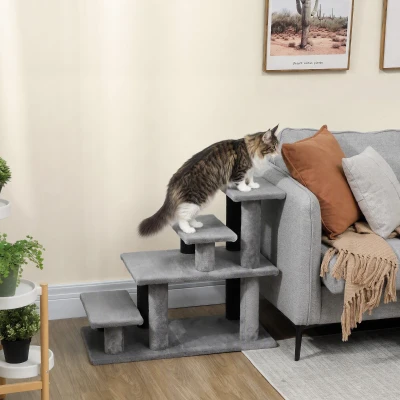
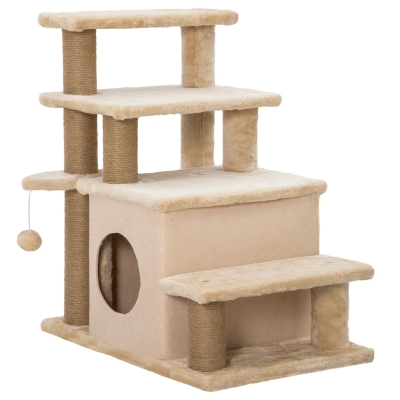
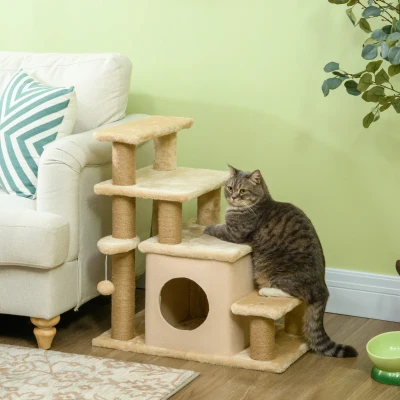
- Pet stairs: Best for agile pets who are comfortable with the up-and-down motion of steps. Stairs take up less horizontal space than ramps, making them ideal for tight spots next to a bed or couch. The PawHut 4-Step Wooden Pet Stairs with Plush Cushions have a 22 lb weight limit and are perfect for cats and small dogs who like a soft landing.
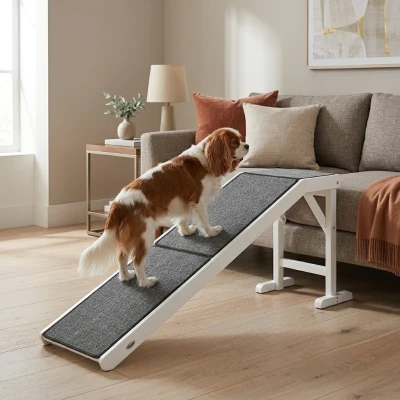
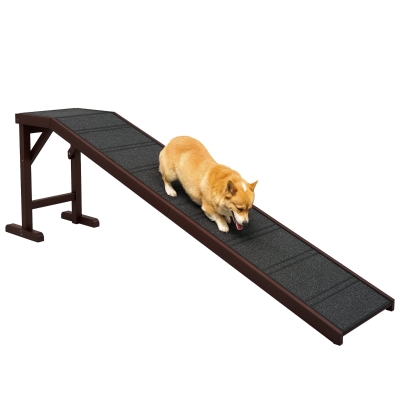
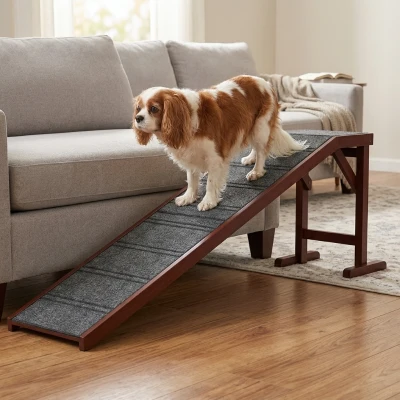
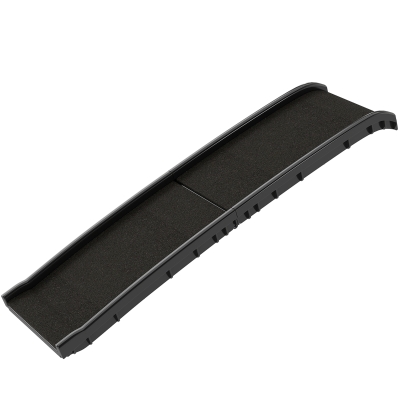
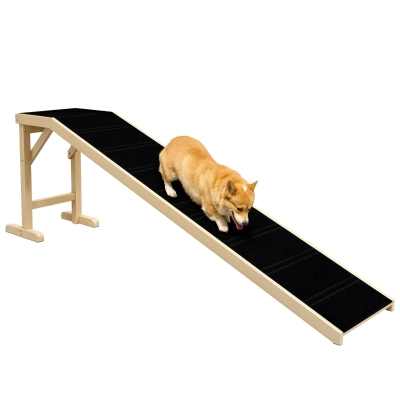
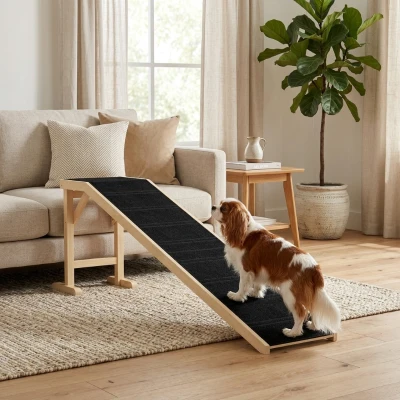
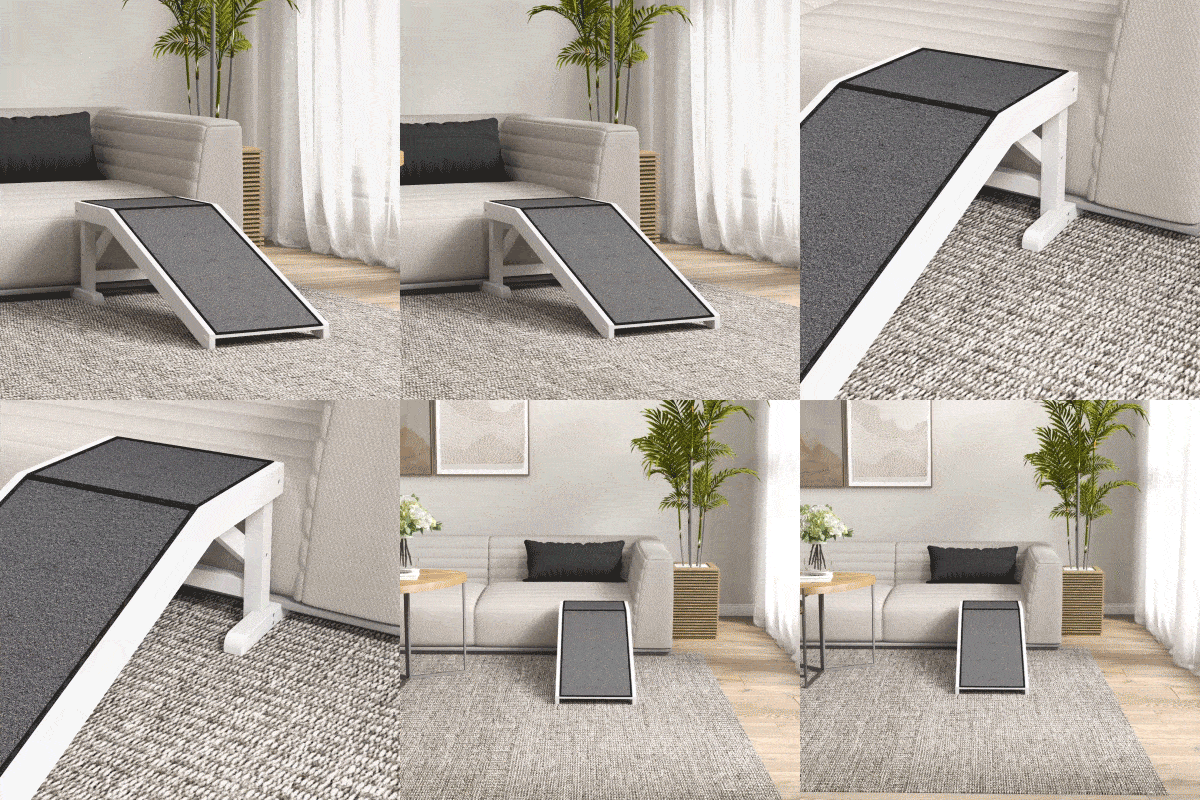
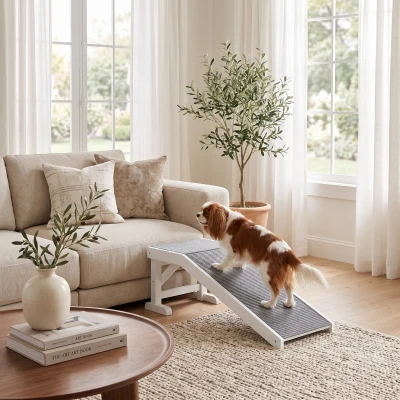
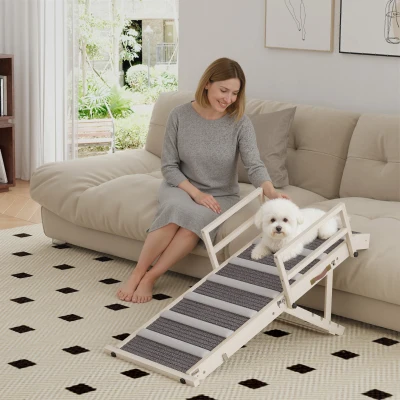
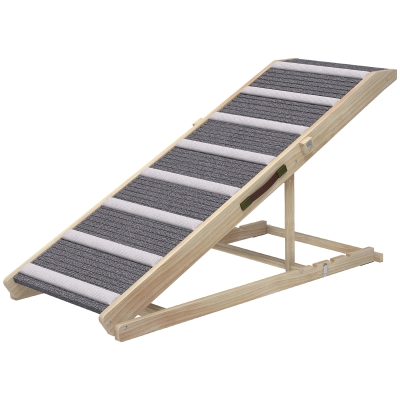
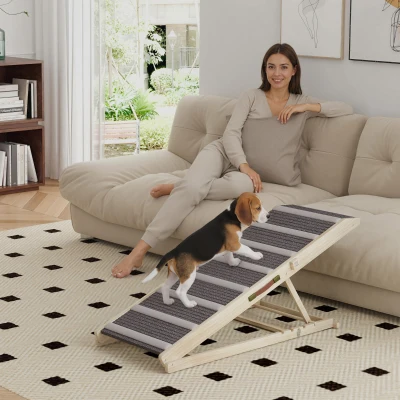
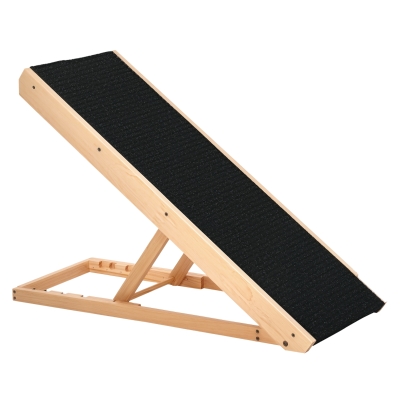
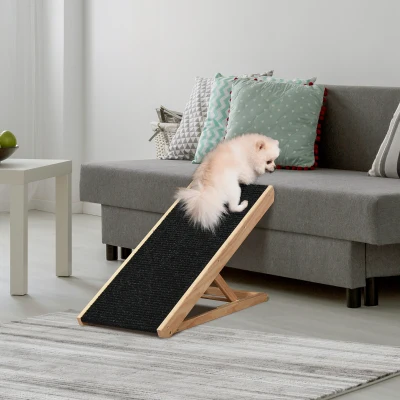
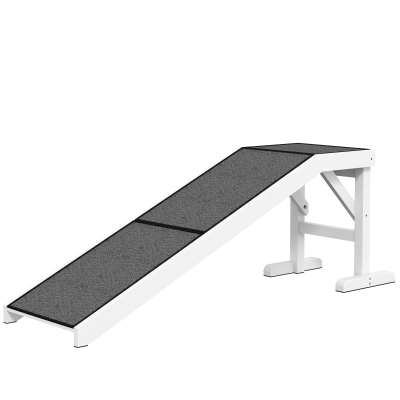
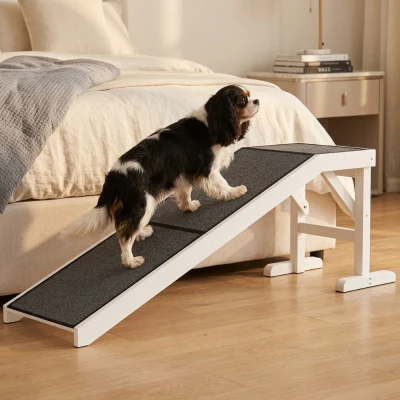
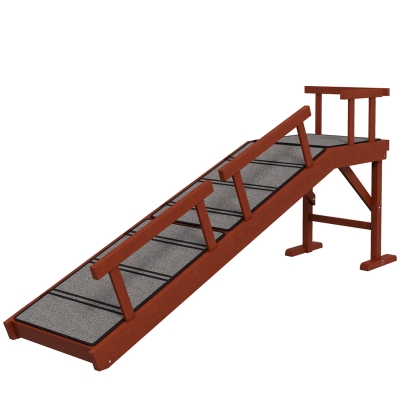
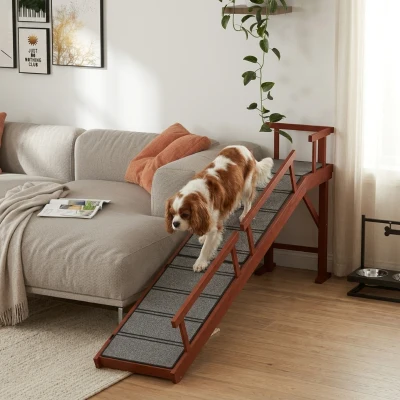
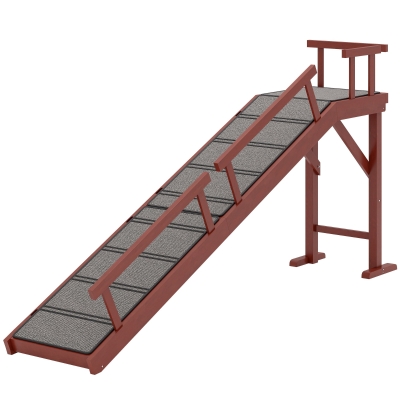
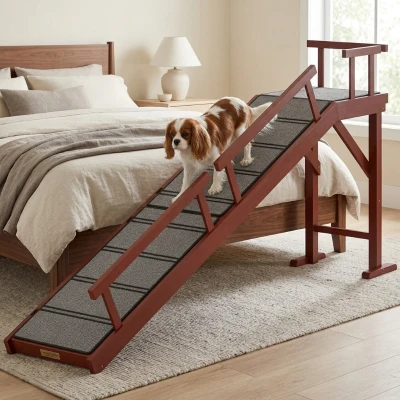
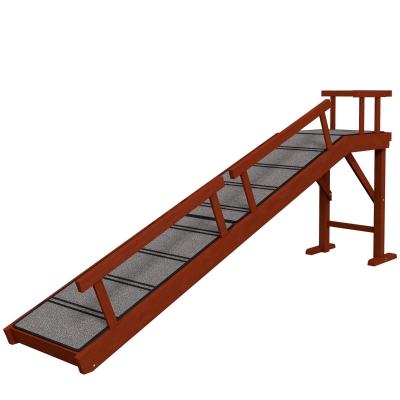
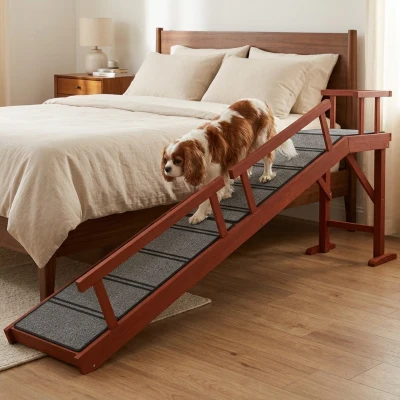
- Dog ramps: A gentler slope that‘s easier on the joints, especially for pets with arthritis, hip dysplasia, or back problems. Ramps also work well for very small dogs who find stairs intimidating. The PawHut Foldable Dog Ramp features a non-slip carpet surface and a wide platform – great for pets who need extra traction.
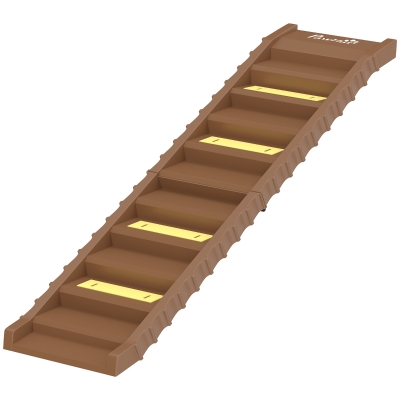
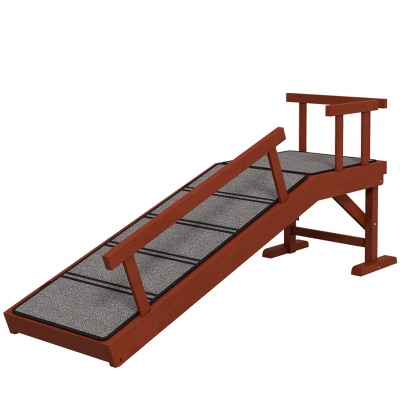
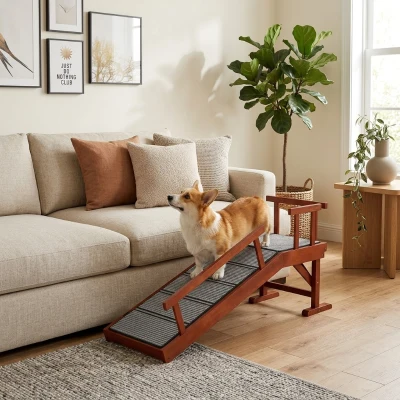
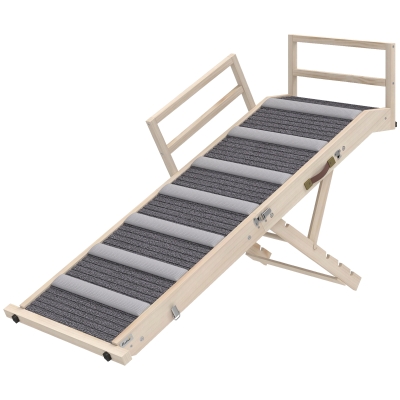
- For extra-large or heavy pets: Look for ramps with higher weight limits (150 lbs+) and reinforced construction. Wooden ramps with guardrails, like the longer models from PawHut, provide stability and confidence for big dogs.
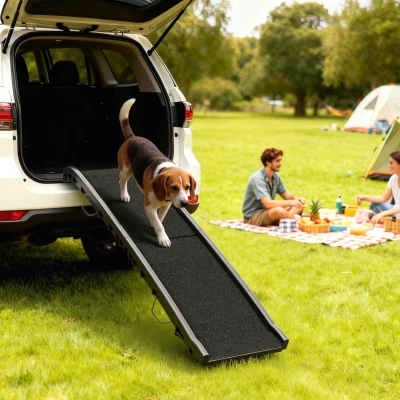
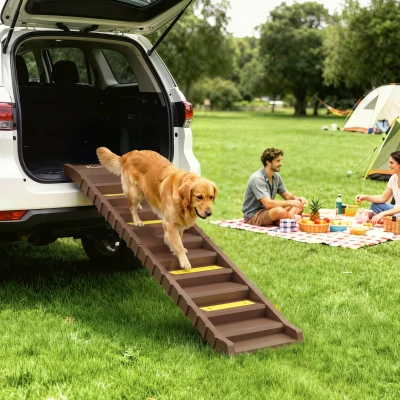
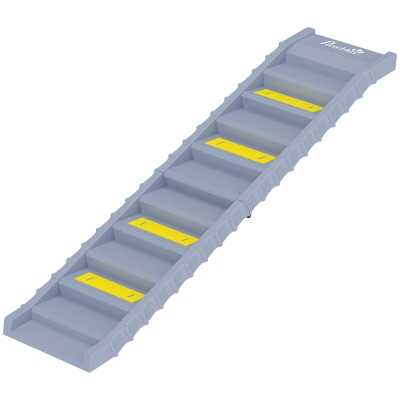
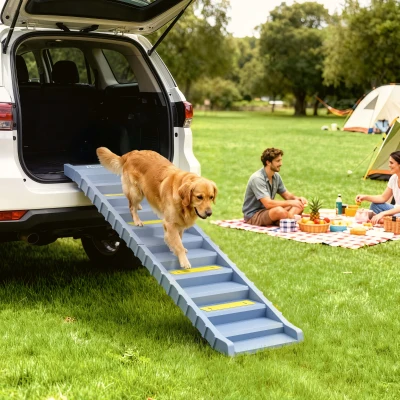
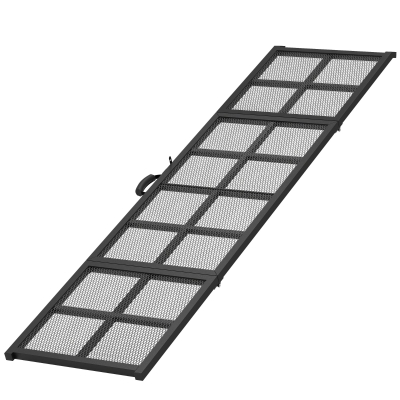
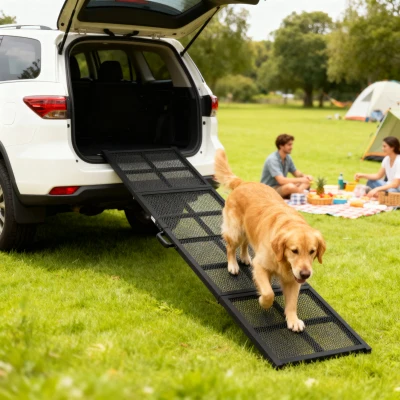
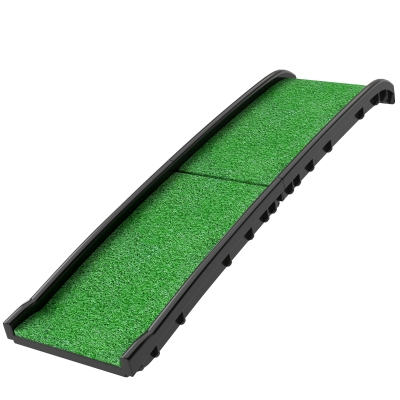
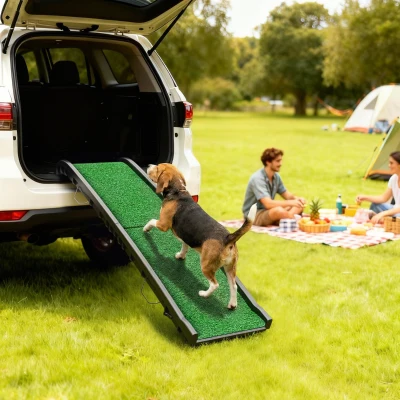
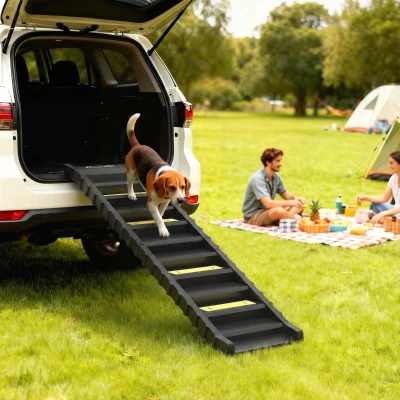
- For cars and SUVs: A folding ramp is the answer. It spans the gap between the ground and your tailgate, then folds into a compact size for storage. The PawHut 61" Folding Dog Ramp with Grass Surface is lightweight, portable, and holds up to 132 lbs.
Match the Step Height & Weight Capacity to Your Pet
Not all pet stairs are built the same. Here‘s how to match the specifications to your pet‘s size:
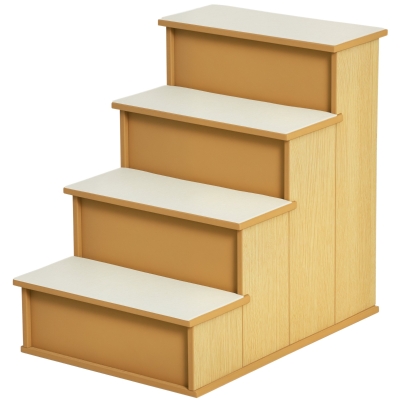
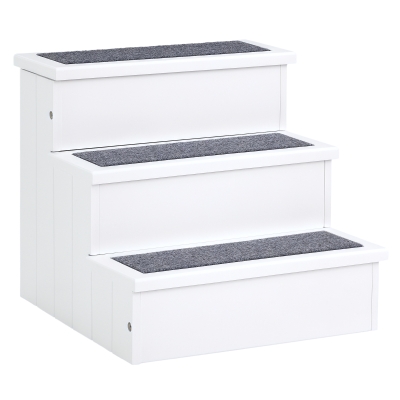
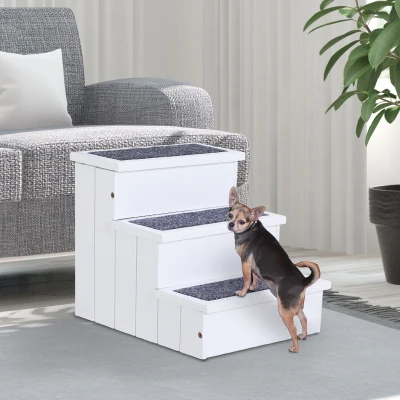
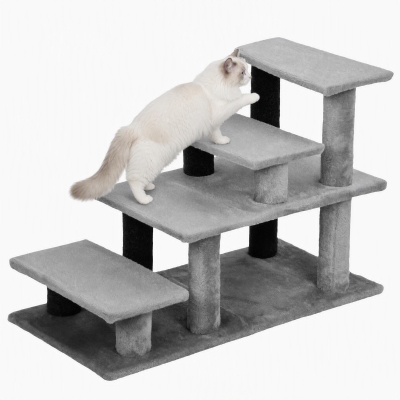
- Small pets (up to 20 lbs): A 2-step or 3-step foam or lightweight wooden staircase is sufficient. The PawHut 3-Step Wooden Pet Stairs for Cats in White is a popular choice – narrow enough for a cat but sturdy enough for a small dog.
- Medium pets (20-50 lbs): Look for 3-step or 4-step models made of solid wood or heavy-duty plastic. The step treads should be at least 15 inches wide to accommodate wider stance. Carpeted surfaces prevent slipping.
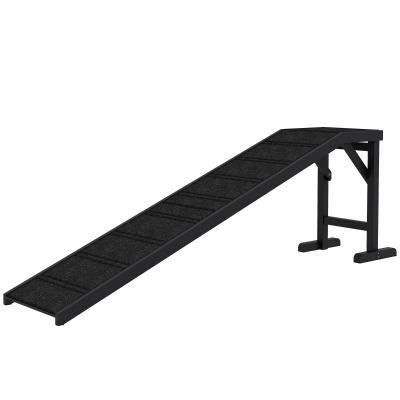
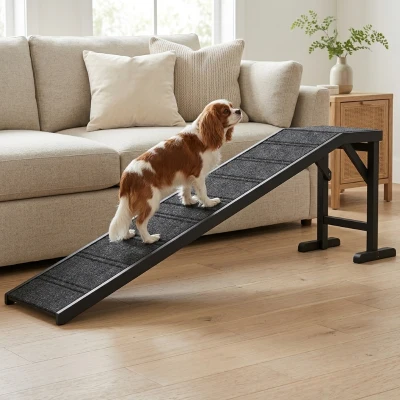
- Large pets (50-100 lbs): You‘ll need a 4-step or 5-step staircase with a weight rating of 100 lbs or more. Wooden construction with reinforced corners is essential. The PawHut 74" Dog Ramp for Bed can handle larger breeds with its wide, non-slip surface and sturdy frame.
- Extra-large pets (100 lbs+): A ramp is usually safer than stairs at this weight. Look for a weight rating of 150-300 lbs and a ramp width of at least 16 inches. Some heavy-duty models, like the inflatable boat ramp, are designed for very large dogs.
Getting Your Pet to Use Their New Stairs or Ramp
Some pets take to stairs immediately. Others need a little encouragement. Here‘s a gentle training approach that works:
- Let them sniff first: Place the stairs or ramp near their favorite spot (couch, bed, car) and let them explore it without pressure.
- Use high-value treats: Start by placing treats on the bottom step or at the base of the ramp. Gradually move treats up each step, rewarding every attempt.
- Never force or carry: If your pet seems scared, give them a day to adjust. Forcing them onto the stairs can create a lasting fear.
- Positive reinforcement works wonders: Praise, gentle pets, and happy talk go a long way. Some pets respond well to a favorite toy placed at the top.
- Be patient with seniors: Older pets may take weeks to build confidence. Start with the stairs on the floor (not leading to anything) so they learn the motion without the pressure of a destination.
Frequently Asked Questions About Pet Stairs & Ramps
❓ Are foam pet stairs safe for large dogs?
Foam stairs (often called “soft steps”) are generally rated for pets up to 50-60 lbs, but check the specific product – the PawHut cushioned stairs we carry are rated for pets up to 22 lbs. For larger dogs, choose wooden or plastic stairs with solid construction. Foam steps can compress under heavy weight and may tip. A large dog will be much safer on a wooden staircase or a heavy-duty ramp.
❓ How do I clean carpeted pet stairs?
Most PawHut pet stairs have removable, washable covers – check the product description. For non-removable carpet, vacuum regularly and spot-clean with a pet-safe upholstery cleaner. For deeper cleaning, a handheld carpet cleaner or a mixture of white vinegar and water (1:1) works well. Never soak the stairs, especially foam or wooden cores, as moisture can cause mold or warping.
❓ Will a pet ramp work for a cat?
Absolutely. Cats often prefer ramps to stairs because they can walk at their own pace without lifting their paws high. The non-slip surface is especially helpful for older cats with arthritis. The PawHut 60" Pet Ramp works well for both cats and small dogs. For kittens or very small cats, a 3-step staircase may be more intuitive – they tend to hop rather than walk up a slope.
Helping your pet up doesn‘t mean you‘re admitting they‘re old or fragile – it means you love them enough to make their life easier. Browse our full collection of pet stairs, dog ramps, and folding steps at Aosom. With free shipping and Flag Day Sale discounts, your best friend‘s new favorite piece of furniture is just a click away. Give them a leg up today.