



















Massage Recliners and Power Lift Chairs
Massage Furniture includes vibration massage recliners, power lift chairs, full-body massage chairs, and adjustable rolling stools. These products serve different purposes, from comfortable seating with vibration settings to motorized reclining and assisted standing. The main differences to consider are the massage mechanism, reclining operation, seat dimensions, and available floor space.
Vibration Massage Recliners
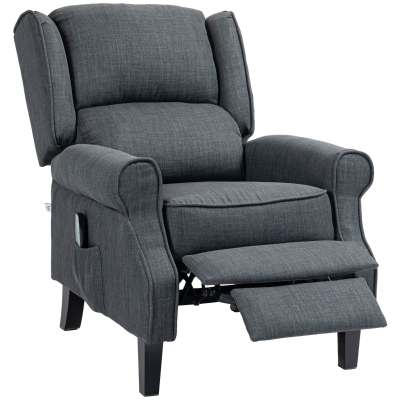
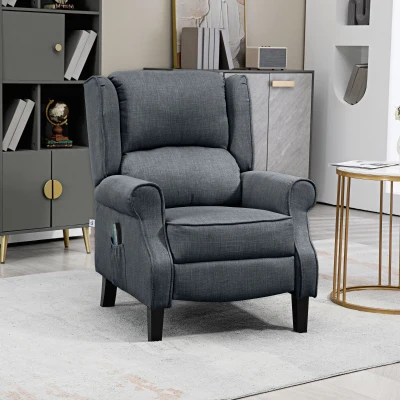
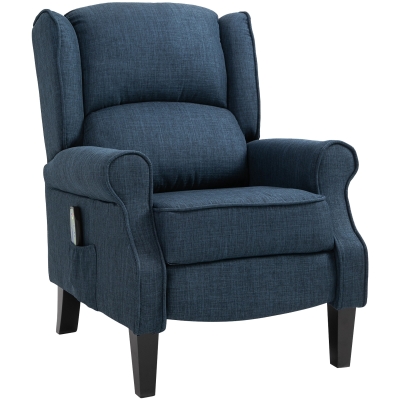
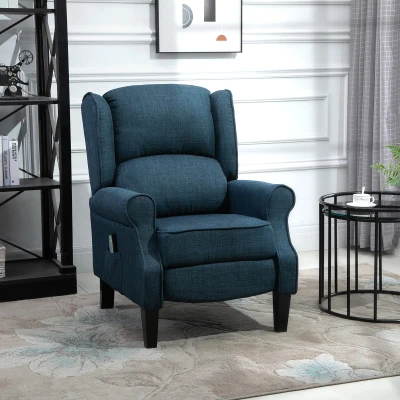
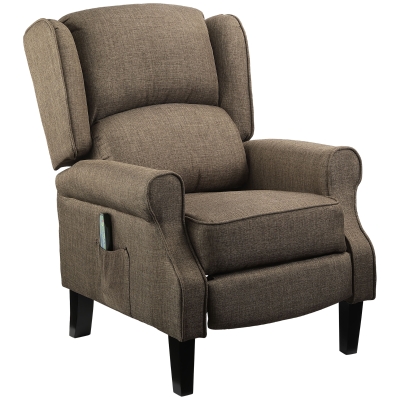
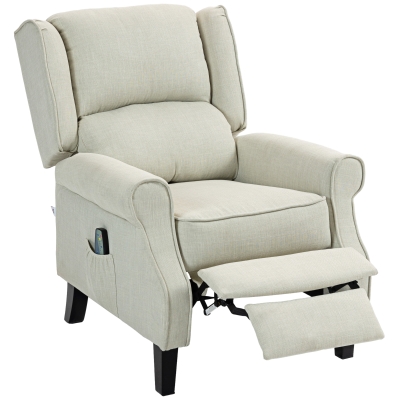
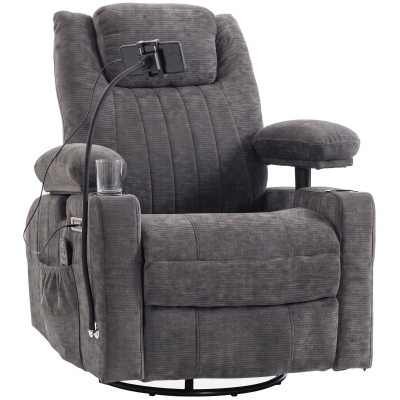
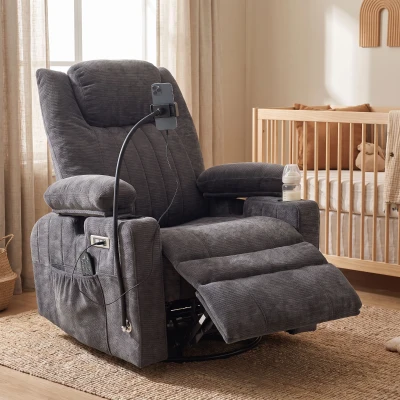
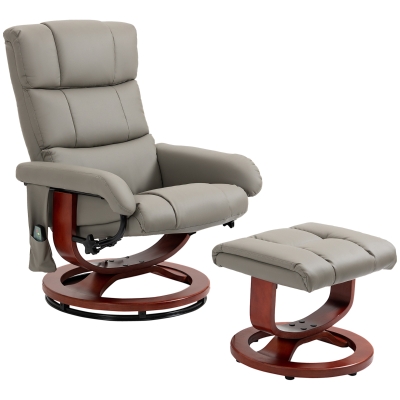
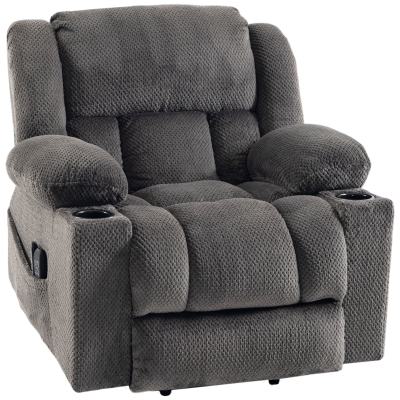
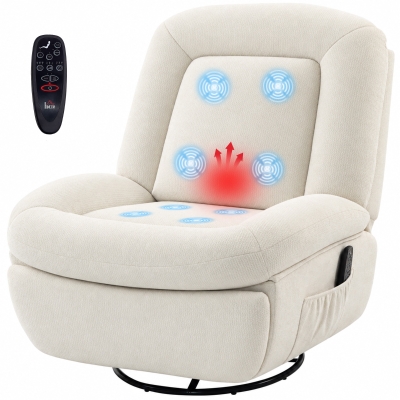
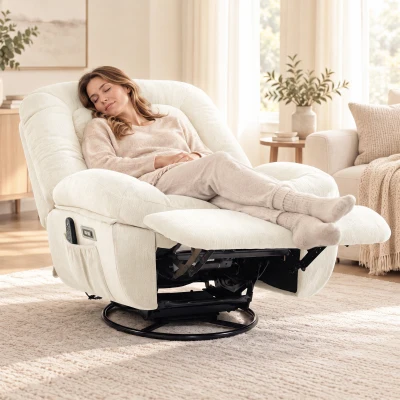
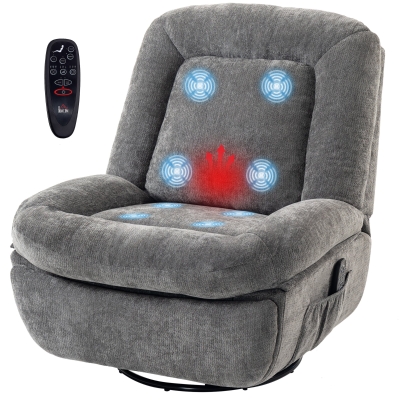
Vibration massage recliners use built-in vibration points to provide a relaxing seated experience. Some models include lumbar heating, adjustable vibration intensity, and timed massage programs. The HOMCOM vibration massage recliner with lumbar heat features two vibration areas, five massage modes, and a manual reclining backrest. Unlike an electric lift chair, it requires physical effort to adjust the reclining position.
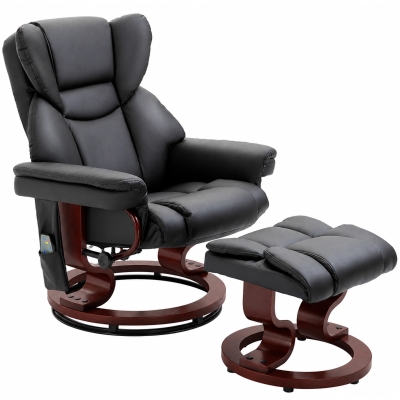
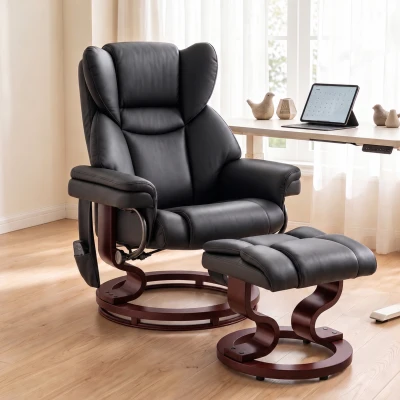
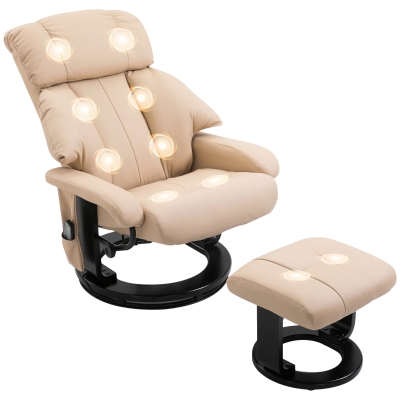
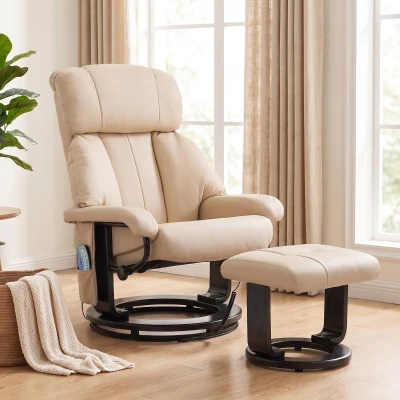
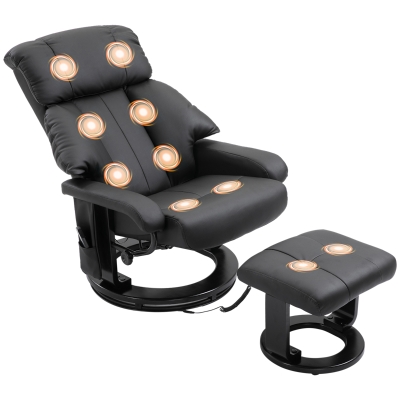
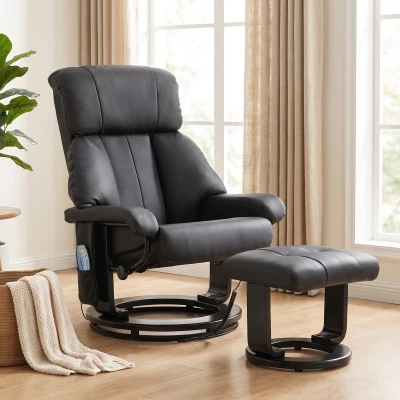
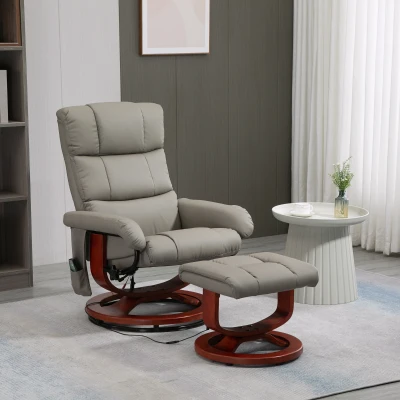
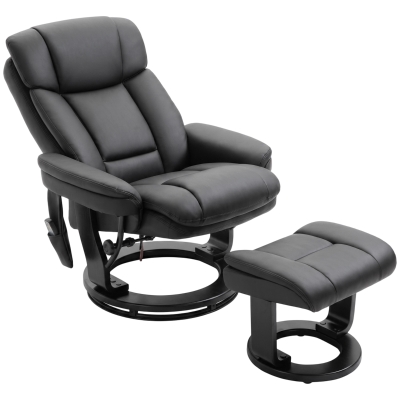
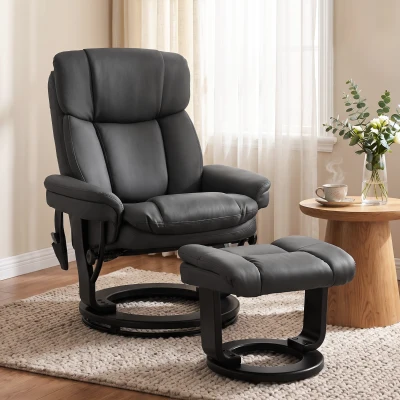
Other designs include separate ottomans and swivel bases. The HOMCOM swivel massage recliner with matching ottoman has ten vibration points, adjustable intensity settings, and a separate footrest. Check whether you prefer an integrated reclining footrest or an independent ottoman before choosing.
Power Lift Recliners
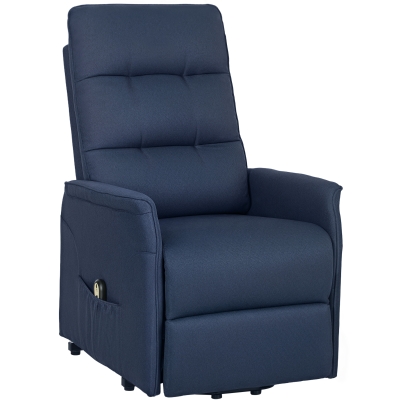
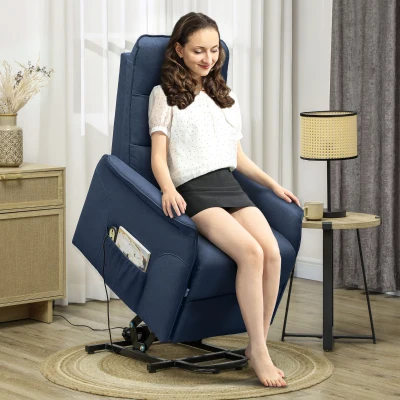
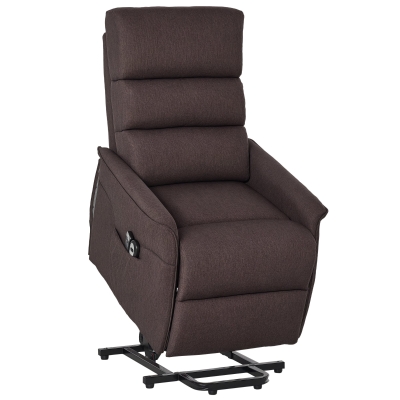
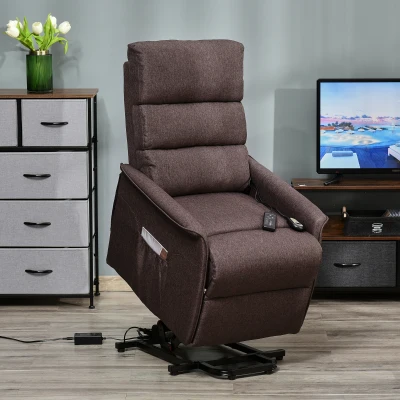
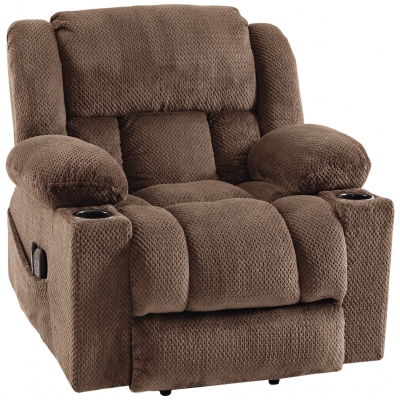
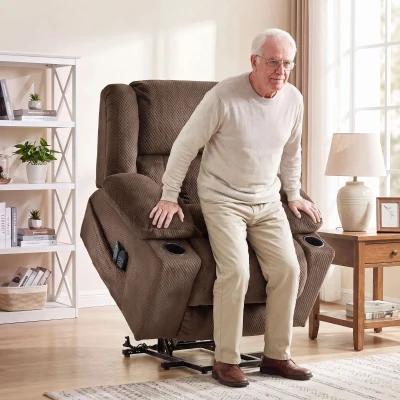
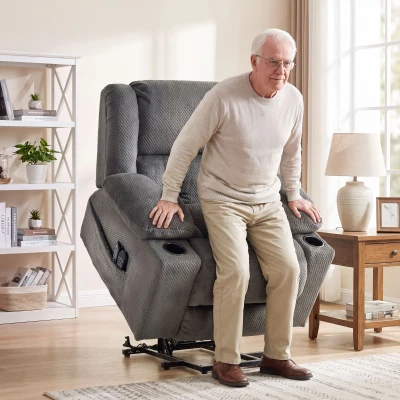
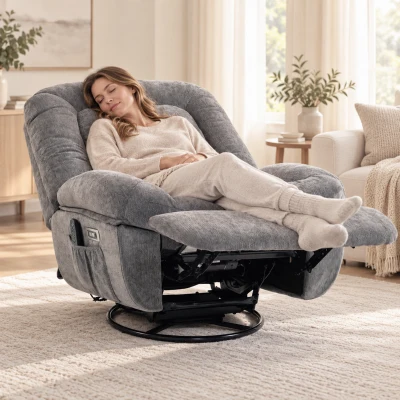
Power lift recliners use a motorized mechanism to raise and tilt the seat forward, helping users transition between sitting and standing. Unlike standard massage recliners, their main distinguishing feature is the powered lift function. The HOMCOM electric power lift recliner with vibration massage includes remote-controlled lifting and reclining, lumbar vibration settings, and a built-in footrest. Check seat height, weight capacity, reclined depth, and electrical outlet placement before purchasing.
Full-Body Massage Chairs
Full-body massage chairs offer a different experience from basic vibration recliners. Depending on the model, they may use massage rollers, air compression, heating, and preset programs. The Bilitok zero-gravity full-body massage chair with heating and air compression combines back rollers, airbag massage, lumbar and leg heating, and a reclining mode. These larger chairs require careful consideration of user height, weight limits, and room clearance.
Mobility and Accessibility Equipment
Mobility & Accessibility covers equipment designed for specific movement and accessibility needs, including wheelchair ramps, rolling shower chairs, and commode chairs. Product selection should be based on the intended environment, physical dimensions, weight capacity, and manufacturer instructions rather than appearance alone.
Wheelchair Ramps
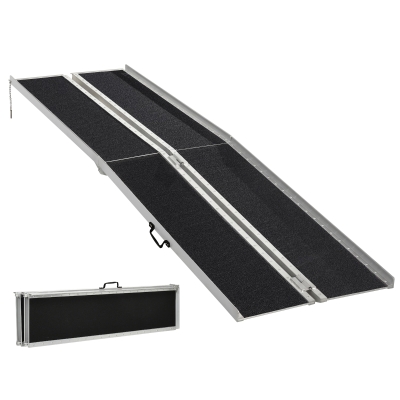
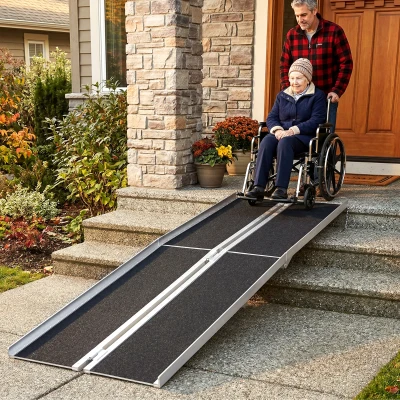
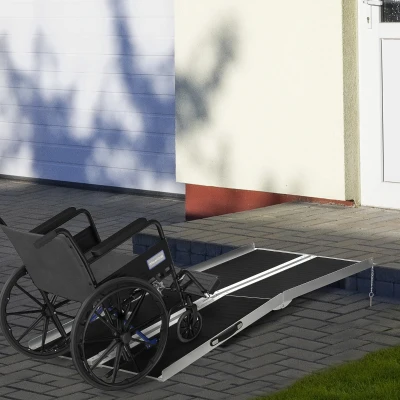
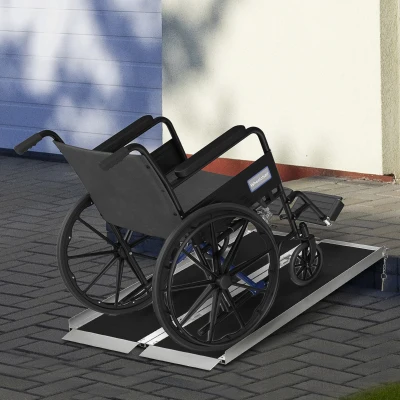
Wheelchair Ramps provide access across certain changes in floor or ground level, such as thresholds, steps, and entrances. Portable folding ramps can be easier to transport and store than permanently installed structures. When choosing a ramp, measure the vertical rise and available horizontal space, then check the required slope, usable width, surface grip, and total load capacity.
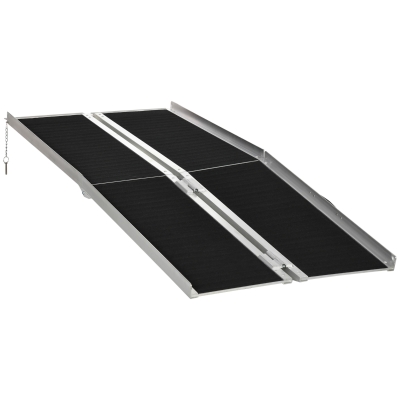
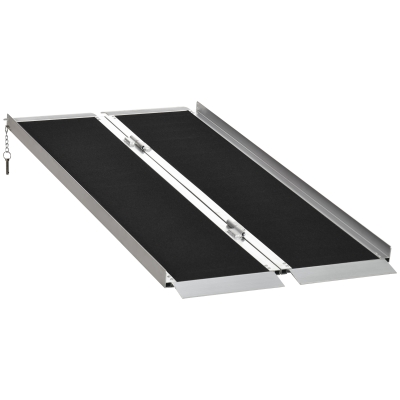
The HOMCOM five-foot folding aluminum wheelchair ramp has a textured non-slip surface, raised side edges, and a carrying handle. This specific model has a stated 600 lb weight capacity. However, load capacity alone does not determine suitability: ramp length, incline, landing conditions, and wheelchair compatibility must also be evaluated.
Rolling Shower Wheelchairs and Commode Chairs
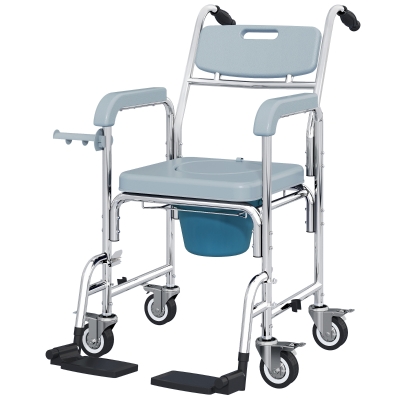
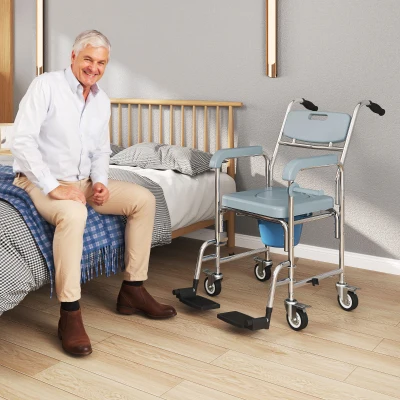
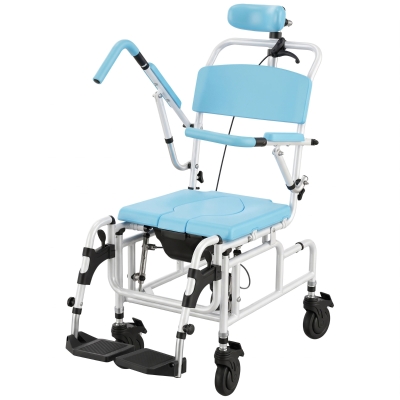
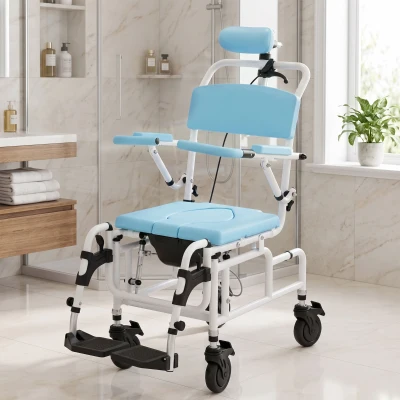
Wheelchairs in this collection focus on bathroom mobility, including rolling shower chairs and multifunctional commode chairs. These products differ from conventional everyday wheelchairs because their design emphasizes bathroom access, removable hygiene components, and water-resistant materials.
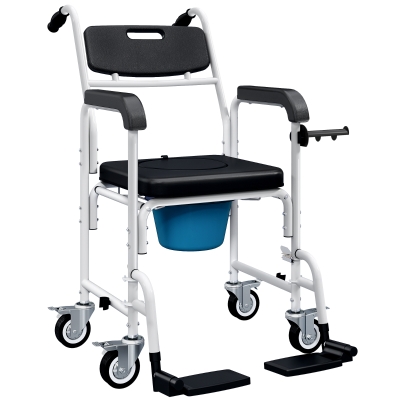
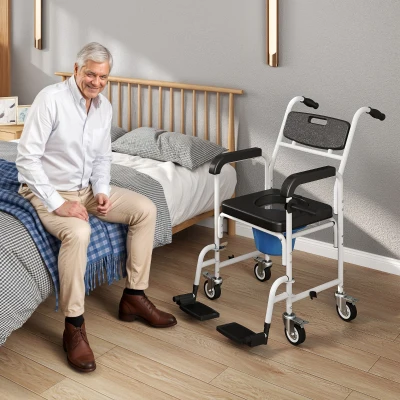
The HOMCOM rolling shower commode chair with locking wheels combines a removable commode bucket, flip-away footrests, and a water-resistant aluminum frame. Its stated maximum load is 330 lbs. Before purchasing, verify the seat dimensions, bathroom doorway width, toilet clearance, wheel-locking mechanism, and the level of assistance the user requires.
Beauty Storage and Salon Seating
The Beauty category includes storage for jewelry and personal grooming accessories. Consider compartment organization, available storage space, mirror placement, and whether the item is intended for a dresser or travel. Product availability may vary.
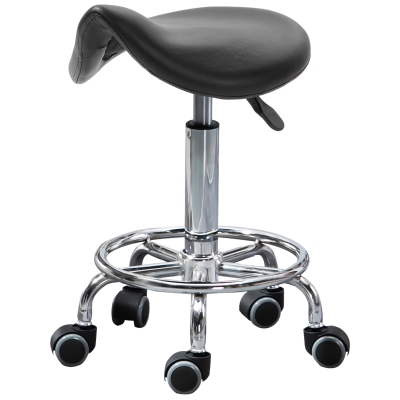
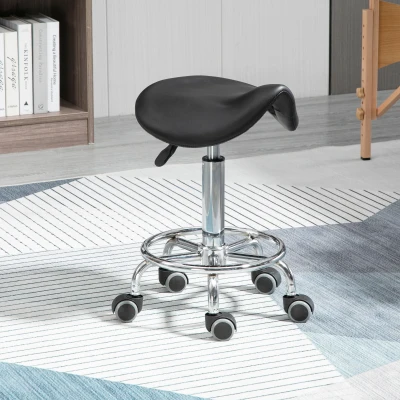
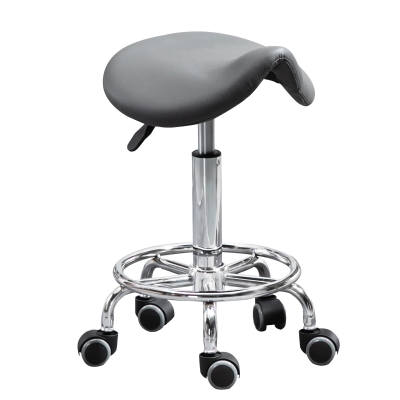
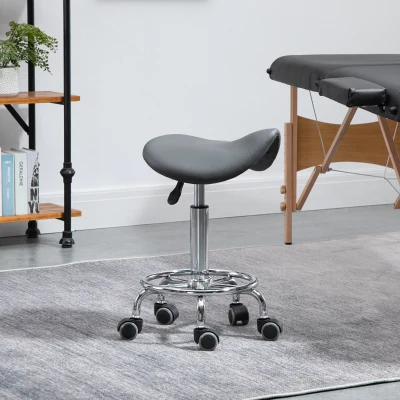
For salon and spa workspaces, adjustable rolling stools provide a compact seating option. The HOMCOM adjustable rolling saddle stool for salon use has a padded saddle seat, a 360-degree swivel design, and five caster wheels. Its seat height adjusts from 20.1 to 26 inches, allowing users to select a position suitable for different work surfaces.
How to Choose Health and Beauty Products
- Massage mechanism: Vibration recliners use vibrating points, while full-body massage chairs may include rollers, air compression, and multiple automatic programs. Check the actual functions offered by each model.
- Reclining and lift functions: A manual recliner requires physical movement, while a power lift chair uses a motorized mechanism. Choose according to the user's needs and ability to operate the chair safely.
- Chair size and capacity: Compare seat width, seat height, maximum supported weight, reclining dimensions, and the space needed behind and in front of the chair.
- Wheelchair ramp compatibility: Measure the vertical rise, ramp width, and available run. Check the permitted incline, load rating, surface traction, and installation or placement instructions.
- Bathroom accessibility: For rolling shower chairs, check bathroom doorway clearance, seat dimensions, locking brakes, footrests, and compatibility with the intended shower or toilet layout.
- Material and maintenance: Upholstered massage chairs require care appropriate to their fabric or faux leather covering, while bathroom equipment should be made from materials suitable for wet environments.
- Electrical requirements: Powered recliners and massage chairs may require access to a grounded electrical outlet. Review the manufacturer's voltage, cord placement, and operating instructions.
Health and Beauty FAQs
What is the difference between a massage recliner and a full-body massage chair?
A massage recliner typically combines reclining seating with vibration massage and, on some models, heating. A full-body massage chair may include mechanical rollers, air compression, and additional massage programs. Compare the actual massage components, adjustment options, user size limits, and available room space before choosing.
Does a massage recliner help someone stand up?
Not every massage recliner has a lift function. A power lift recliner is specifically designed to raise and tilt the seat using an electric motor. A standard manual massage recliner does not provide the same assistance. Check the product specifications if standing assistance is an important requirement.
How do I choose the correct wheelchair ramp length?
Start by measuring the vertical height difference and the available space for the ramp. The appropriate length depends on the required slope, wheelchair or scooter specifications, and the intended use. Also check the ramp's usable width, weight capacity, landing conditions, and any applicable accessibility requirements. Do not assume that a ramp is suitable simply because its length or weight rating appears sufficient.
Can a rolling shower chair replace a standard wheelchair?
Not necessarily. A rolling shower chair is designed primarily for bathroom use and may include water-resistant materials, commode features, and locking wheels. A standard wheelchair is designed for different mobility requirements. Review the manufacturer's permitted uses and consult an appropriate mobility professional when selecting equipment for daily movement needs.
Are all massage chairs equipped with heating?
No. Heating is available only on certain models, and the heated areas can differ. Some chairs provide lumbar heating, while others include leg heating or no heating feature at all. Check the individual product description for the exact heating functions and controls.
What should I check before buying a power lift recliner?
Measure the user's seat-height requirements, seat width, weight capacity, and the available space for reclining. Confirm the lift and recline controls, electrical requirements, and whether assistance is needed for safe transfers. A lift recliner is not a substitute for professional mobility assessment when significant physical support is required.