































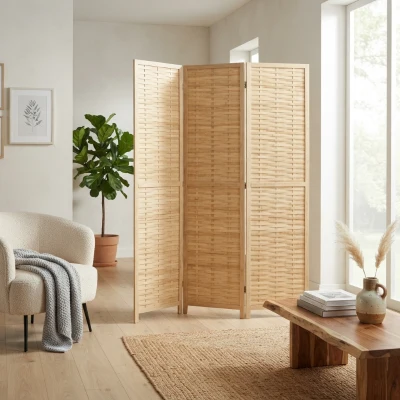
3-Panel and 4-Panel Folding Room Dividers
Three-panel and four-panel folding room dividers are practical for separating a workspace, creating a dressing area, or adding visual privacy in a shared bedroom. Unlike permanent partition walls, freestanding privacy screens can be repositioned without changing the room layout. The main differences between models are their panel width, height, frame material, privacy level, and folded dimensions.
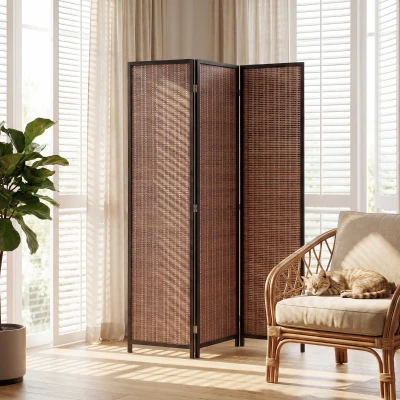
3-Panel Room Dividers for Small Spaces
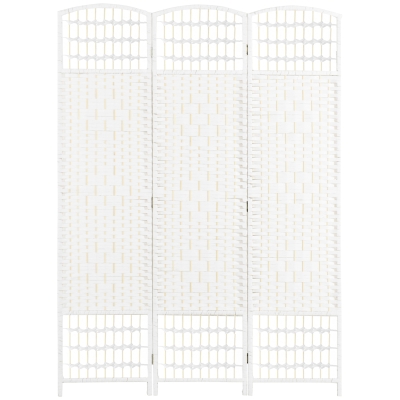
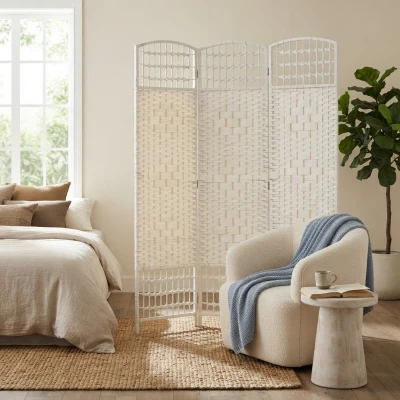
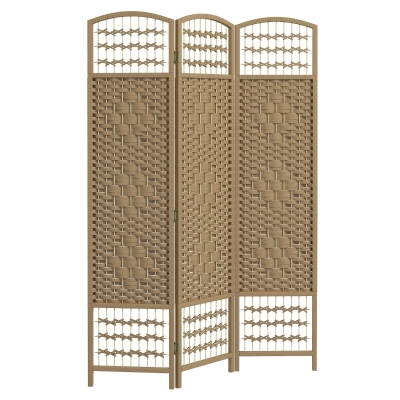
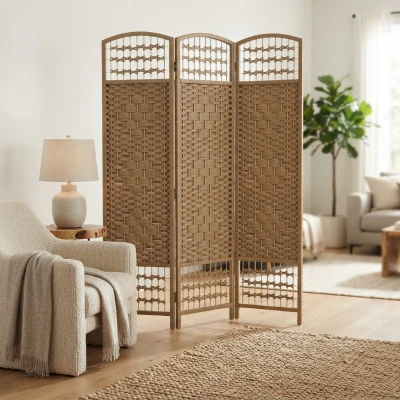
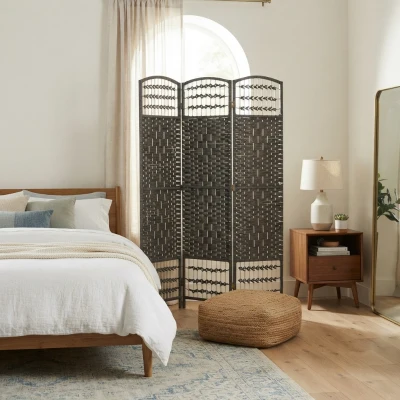
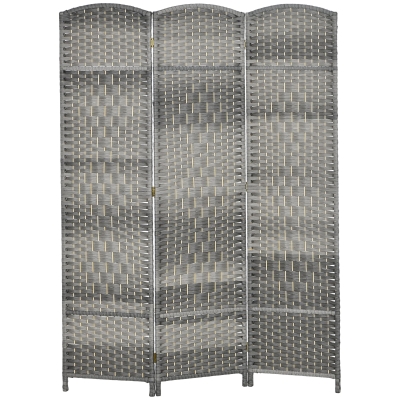
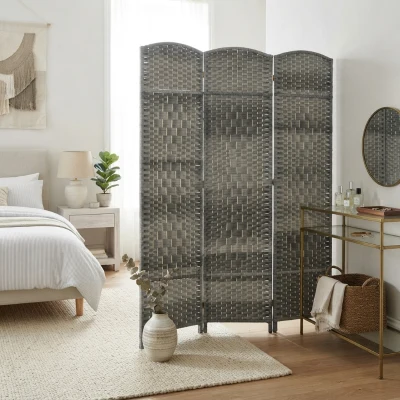
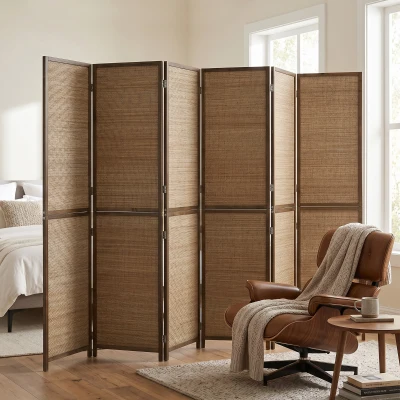
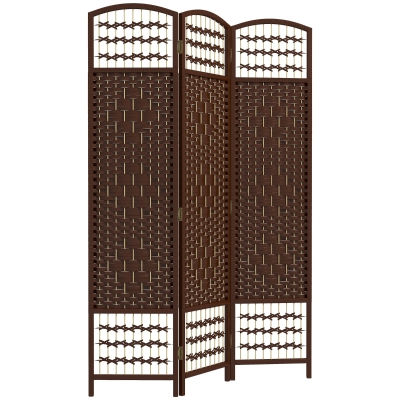
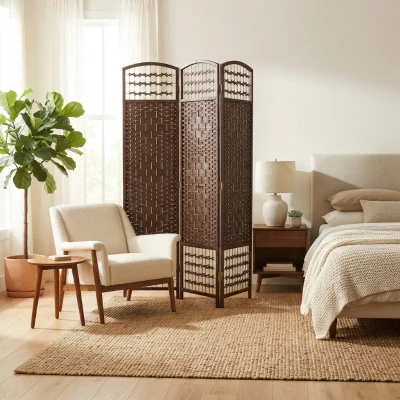
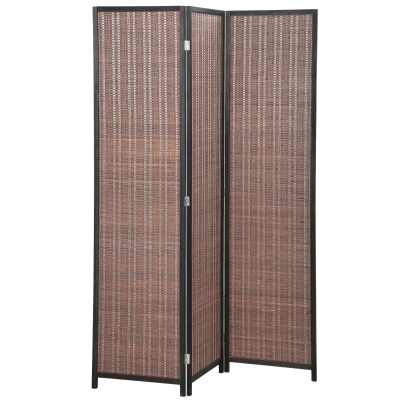
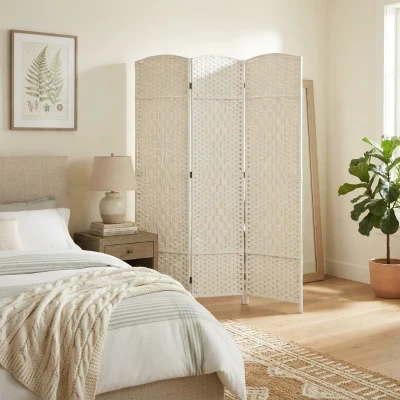
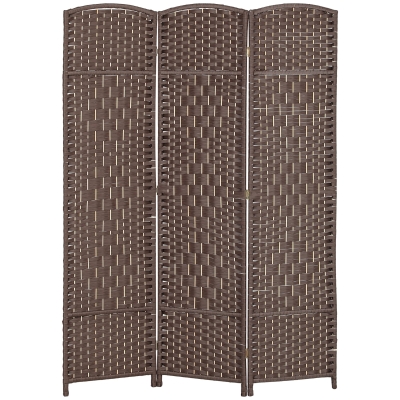
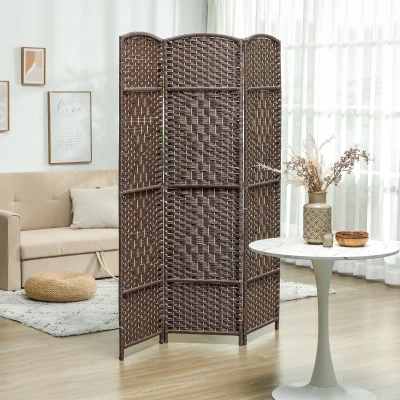
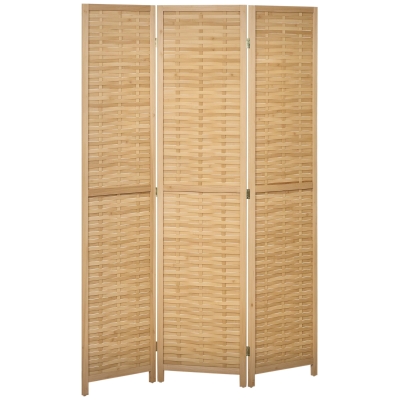
Three-panel room dividers offer a compact solution when only part of a room needs to be screened. They can help separate a desk from a living area, conceal a small storage corner, or create a temporary changing space. The HOMCOM 3-panel folding room divider with woven privacy screens features a pine wood frame, woven paper and bamboo panels, and metal hinges. It measures 47.25" wide and 67" tall when fully extended, with a folded width of 15.5". This lightweight design arrives assembled and can be folded away when not needed.
When comparing small room dividers, measure the space that needs to be screened rather than relying only on the number of panels. The practical coverage will be narrower than the fully extended width when the panels are angled to create a stable freestanding arrangement.
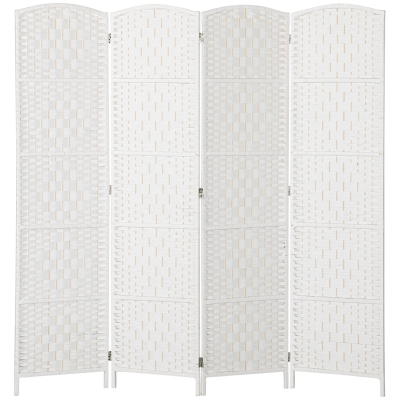
4-Panel Folding Privacy Screens
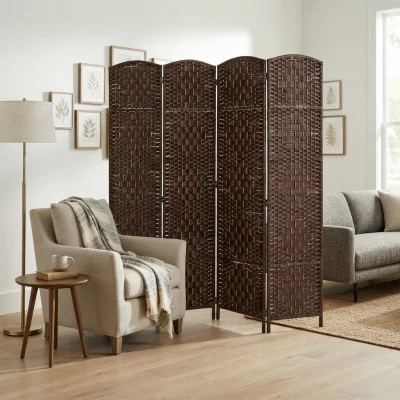
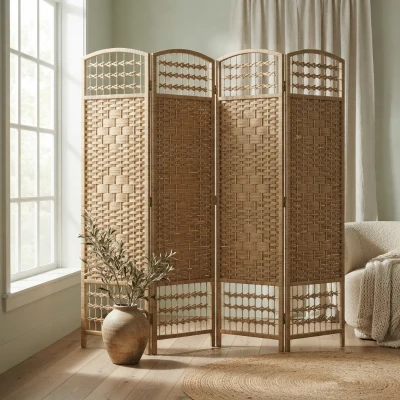
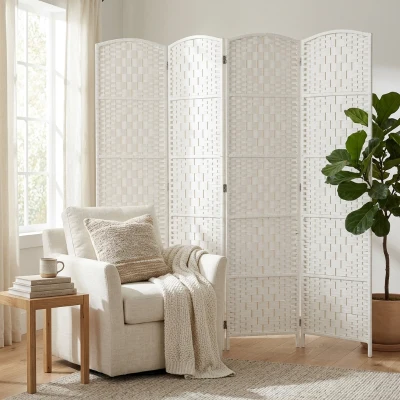
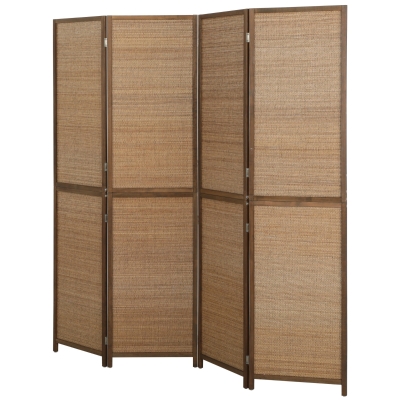
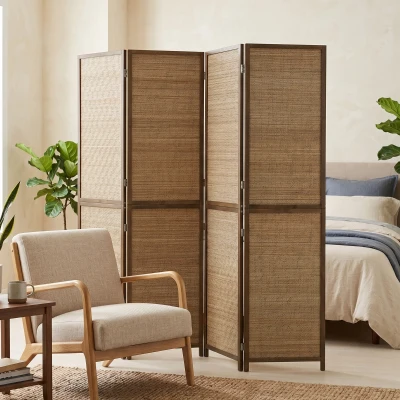
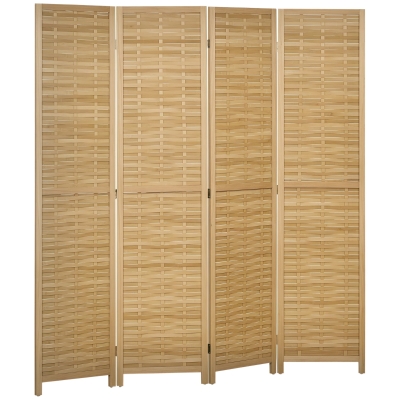
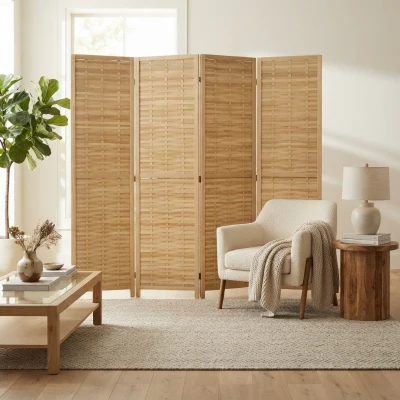
Four-panel room dividers provide additional coverage compared with smaller three-panel designs. They are suitable for shared bedrooms, home offices, and living rooms where a longer decorative partition is needed. The HOMCOM 4-panel folding privacy screen with wood frame measures 63" wide and 67" tall when fully extended. Its woven paper and bamboo panels, wooden frame, and folding hinges allow the screen to be arranged at different angles. No assembly is required.
A four-panel divider can be positioned in a zigzag arrangement to screen part of a room while leaving a passage open. Check the panel material before choosing: woven screens may allow light to pass through and should not be assumed to provide complete visual privacy.
6-Panel and 8-Panel Room Dividers for Larger Spaces
Six-panel and eight-panel room dividers cover wider areas than compact folding screens. They can be used to define separate activity zones in an open-plan living room, divide a shared bedroom, or create a visual backdrop behind a home office desk. More panels provide additional flexibility in shaping the divider, but the overall width depends on how the panels are folded and positioned.
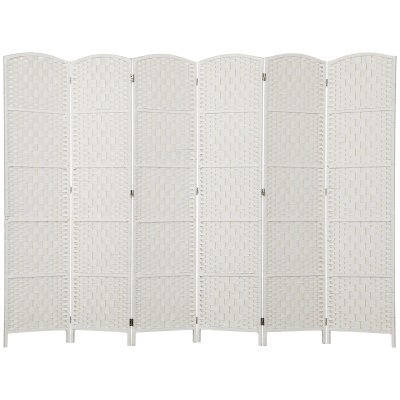
6-Panel Folding Room Dividers
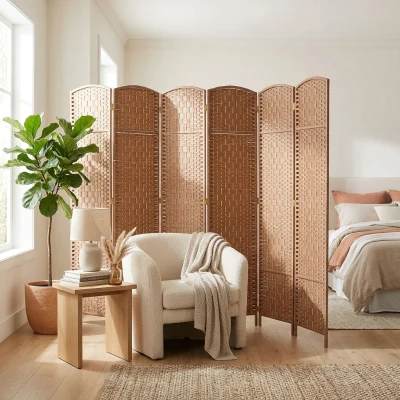
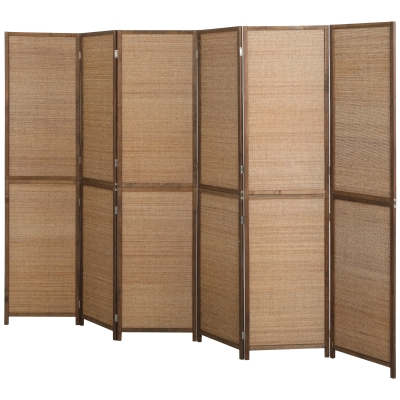
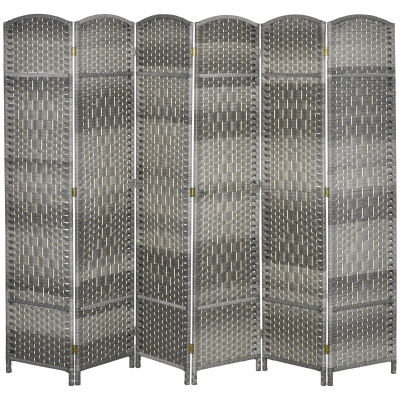
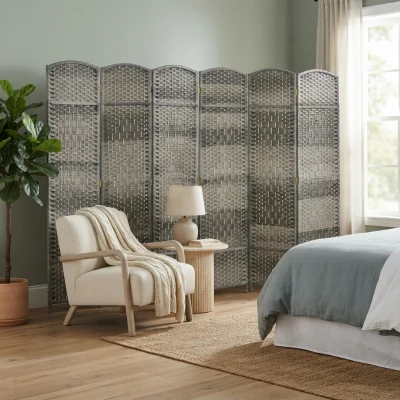
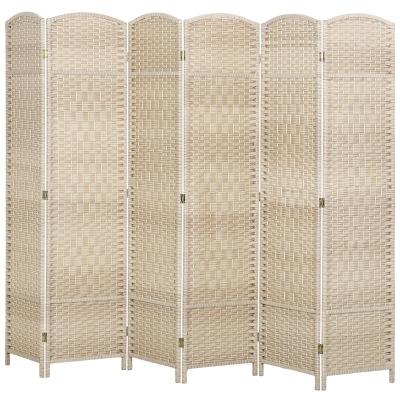
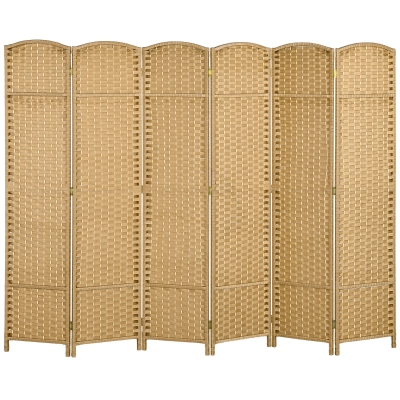
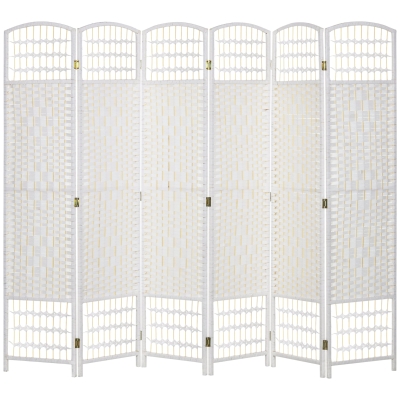
The HOMCOM 6-panel tall room divider with polypropylene woven screens has a pine wood frame, polypropylene panels, and fifteen metal hinges. Measuring 106.3" wide and 70.9" tall when fully extended, it provides a wider screening arrangement for indoor spaces. The panels fold to a compact width of 17.7", making the divider easier to store when the room is used for another purpose.
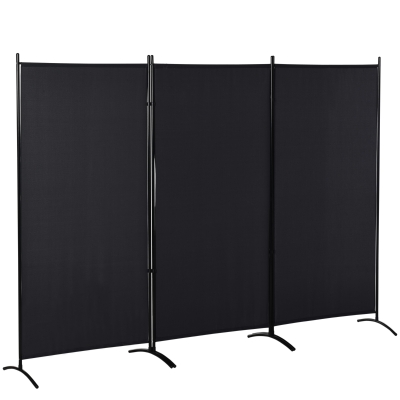
Polypropylene woven panels offer a different texture and maintenance profile from traditional paper-rope screens. They can be useful where a more durable woven surface is preferred. However, a folding screen is intended mainly for visual separation and should not be treated as a soundproof partition.
8-Panel Folding Privacy Screens
Eight-panel dividers offer additional flexibility for larger living areas and shared spaces. The HOMCOM 8-panel folding privacy screen for large rooms measures 126" wide and 66.9" tall when fully extended. It combines polypropylene woven panels with a pine wood frame and 21 connecting hinges. The screen folds to approximately 15.7" wide for storage.
When choosing between a six-panel and eight-panel divider, consider both the width of the area you want to screen and the amount of floor space available for the folded arrangement. A wider screen may be better for separating a larger room, while a smaller divider can be easier to position around furniture.
Room Dividers with Shelves and Display Storage
Room dividers with shelves combine visual separation with space for displaying small decorative items. Unlike conventional folding privacy screens, these models incorporate shelves or other storage features into the partition. They are useful for separating a living area from a home office while providing display space for books, photos, or small decorative accessories within the manufacturer's load limits.
Wood Room Dividers with Removable Shelves
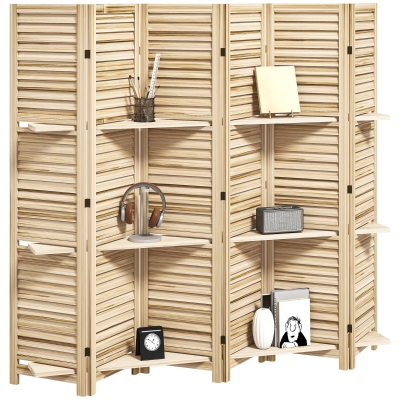
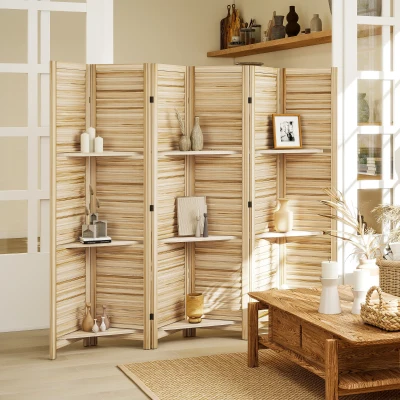
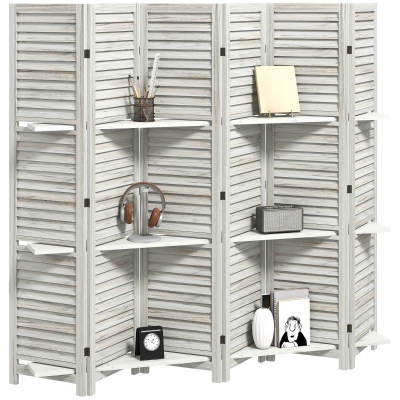
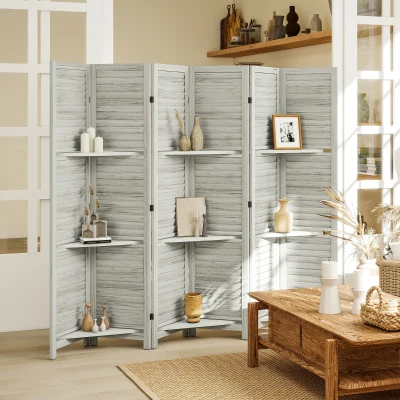
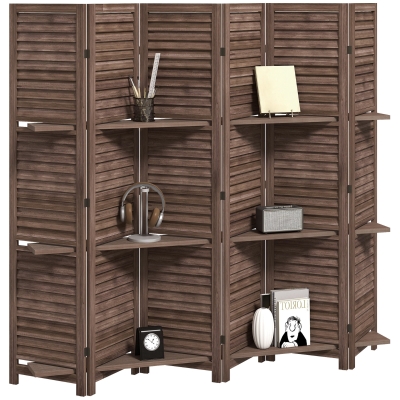
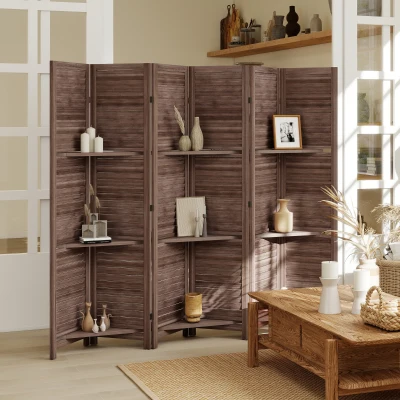
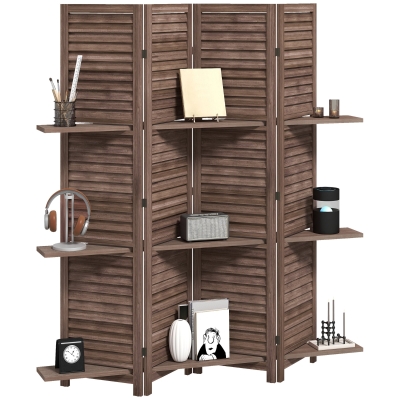
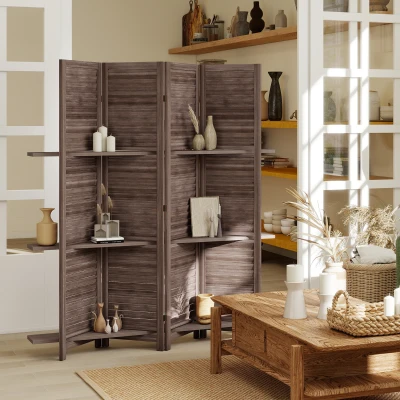
The HOMCOM 6-panel wooden room divider with three display shelves combines a paulownia wood frame, louvered panels, and three removable shelves. Its folding construction allows the divider to be repositioned or stored when not in use. The slatted design permits airflow and filtered visibility rather than forming a solid wall.
When choosing a folding room divider with shelves, check whether the shelves are removable, how they attach to the panels, and the permitted load for each shelf. Display shelves should only hold items within the stated limits, and decorative objects should be removed before folding or moving the screen.
Room Dividers with Pegboard Displays
Some room dividers use pegboard-style panels rather than traditional woven or louvered surfaces. These designs allow compatible display accessories to be arranged on the partition, depending on the product specifications. The HOMCOM 4-panel wooden room divider with pegboard display measures 59.75" wide and 57" tall. Its paulownia wood panels feature a pegboard design and double-direction folding hinges. Check accessory compatibility and load requirements before attaching display items.
Wooden, Wicker and Woven Room Dividers
Room dividers are available with different frame and panel materials. Wooden frames provide structural support, while paper-rope, bamboo, louvered wood, and polypropylene panels create different finishes and privacy levels. Material choice affects the appearance, cleaning requirements, and amount of light or visibility through the screen.
Wicker-Style Privacy Screens
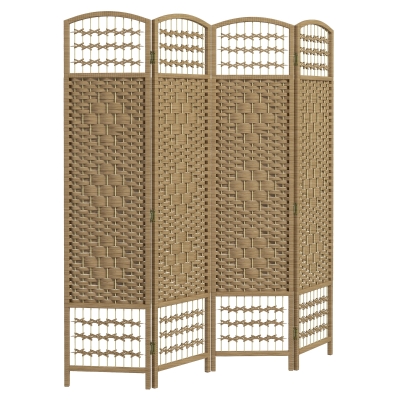
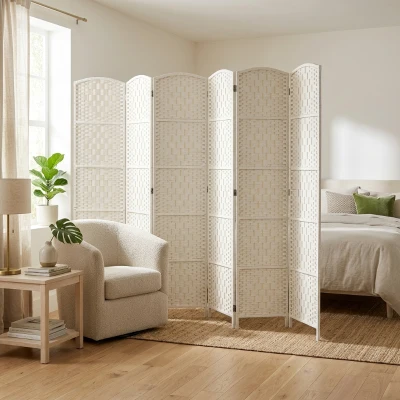
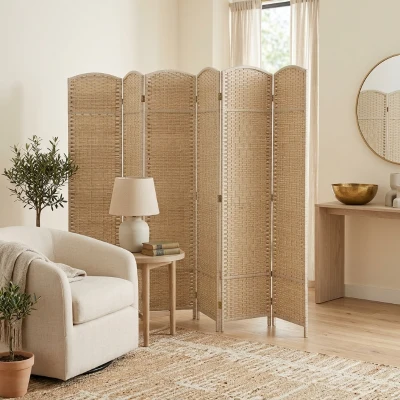
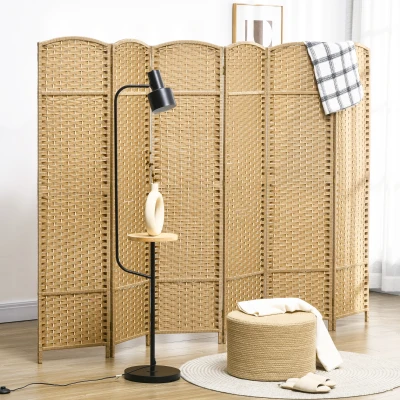
Wicker-style room dividers provide a woven appearance that works with traditional, natural, and contemporary interiors. The HOMCOM 4-panel wicker-style room divider with arched wood frame features a poplar wood frame, woven paper-rope panels, and double-direction hinges. It measures 70.9" wide and 70.9" tall when fully extended. The woven surface filters light while screening direct views, making it suitable for creating decorative separation without building a permanent partition.
For wider coverage in a similar style, the HOMCOM 6-panel woven privacy screen with a natural wood frame measures approximately 106.3" wide and 70.9" tall. Its folding panels are connected by hinges that allow different angled arrangements. It can provide a visual boundary between living and working areas while remaining portable and easy to fold for storage.
Wicker-style does not always mean natural rattan. Some HOMCOM screens use woven paper rope or synthetic materials supported by wooden frames. Check the stated material composition and indoor-use recommendations before purchasing.
How to Choose a Room Divider
- Number of panels: Three-panel screens are suitable for smaller areas, while four-panel, six-panel, and eight-panel designs offer different coverage options. More panels also provide flexibility in arranging the partition.
- Expanded width: Compare the manufacturer's fully extended width with the available space. A freestanding folding divider usually needs angled panels for stability, so its practical straight-line coverage may be smaller.
- Divider height: Measure the height of the area you want to screen. Taller designs provide more visual separation, while shorter partitions may be suitable for decorative zoning without blocking as much of the room.
- Privacy level: Woven paper, open slats, pegboard, and solid panels provide different levels of visibility. Choose according to whether you want decorative separation or stronger visual screening.
- Frame and panel materials: Compare wooden frames, paper-rope weaving, bamboo, and polypropylene surfaces. Consider weight, cleaning requirements, durability, and the intended indoor environment.
- Folding and portability: Look at the folded width, total item weight, and hinge design. Compact folding screens are easier to store and reposition when the room layout changes.
- Storage features: Room dividers with shelves or pegboards provide additional display options. Check the attachment method, compatible accessories, and individual shelf load limits.
- Room layout: Consider the position of beds, desks, sofas, doors, and walking paths. A folding divider should not obstruct entrances, ventilation, or required access routes.
- Stability: Follow the manufacturer's freestanding setup instructions. Do not rely on a fully straightened folding screen to remain stable unless the product is specifically designed for that arrangement.
- Assembly: Many HOMCOM folding screens arrive assembled, but this varies by product. Check whether any shelves, accessories, or other components require installation.
Room Dividers FAQs
What is the difference between a 3-panel and a 6-panel room divider?
A three-panel room divider generally provides a shorter screening area and may be easier to position in a small room. A six-panel divider has additional sections that allow wider or more flexible arrangements. Compare the expanded dimensions, folded width, panel height, and intended placement rather than choosing by panel count alone.
Can a folding room divider be used as a temporary wall?
A folding room divider can create visual separation between areas without installing a permanent wall. It is useful for defining a workspace, changing area, or sleeping area. However, it does not provide the structural strength, sound insulation, fire separation, or security of a constructed wall.
Are room dividers suitable for home offices?
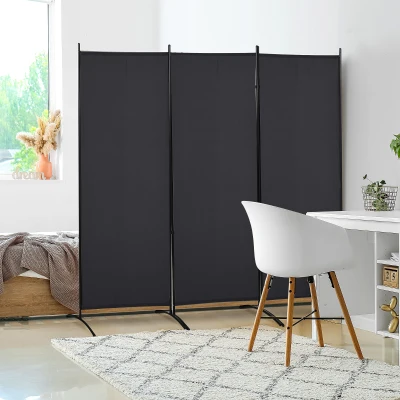
Yes. Folding privacy screens can separate a desk from a living space or create a more consistent visual background for video calls. Taller or wider designs may conceal more of the surrounding room. Check the panel material and privacy level, as some woven screens allow light and partial visibility through them.
Are folding room dividers completely opaque?
Not always. Privacy depends on the panel design and material. Solid panels can provide greater visual screening, while woven paper, bamboo, and louvered wood may allow some light or visibility through the openings. Review the product photographs and material details before choosing a divider for a dressing area or shared bedroom.
Can I use a room divider with shelves for storage?
Room dividers with shelves can display certain books, photos, decorative items, and small accessories within their stated load limits. They are not automatically suitable for heavy storage. Check the shelf attachment method, weight capacity, and folding instructions before placing items on the divider.
Do HOMCOM room dividers require assembly?
Many HOMCOM folding privacy screens arrive assembled and can be opened for use. Some models include removable shelves or other accessories that may require separate positioning. Always check the individual product's package contents and assembly information.
How wide should a room divider be?
Start by measuring the area you want to screen. Compare that distance with the divider's expanded width, then allow for the angled panel arrangement needed for freestanding stability. A divider that measures six feet across when fully extended may cover less than six feet when positioned in a zigzag configuration.
Can folding room dividers reduce noise?
Some screens may slightly change how sound travels through a room, but standard folding privacy screens are not soundproof barriers. Their main function is visual separation. For meaningful noise reduction, purpose-built acoustic products are generally more appropriate.
What materials are used in HOMCOM room dividers?
HOMCOM room dividers include models with pine, poplar, or paulownia wood frames and panels made from woven paper rope, bamboo, polypropylene, or wood. Each construction provides a different appearance and maintenance profile. Check the specifications of the selected model rather than assuming every divider uses the same materials.