


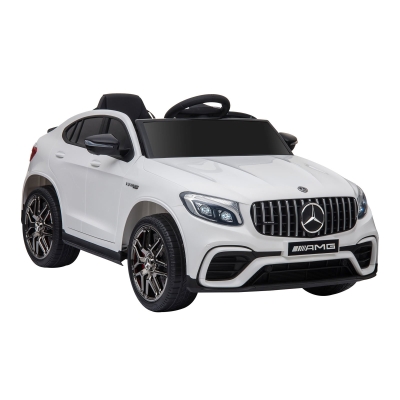
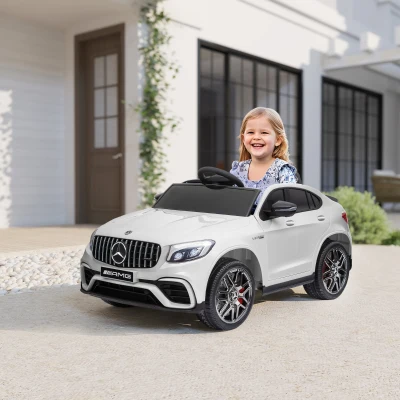


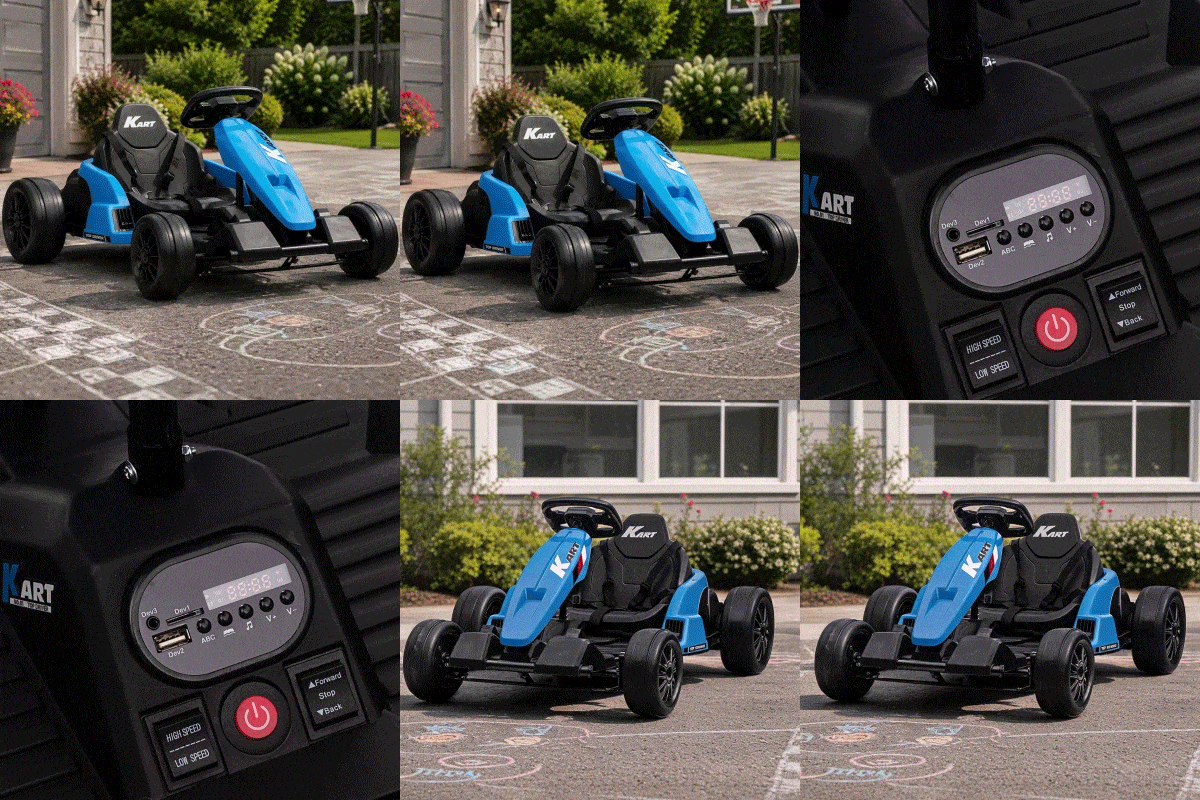



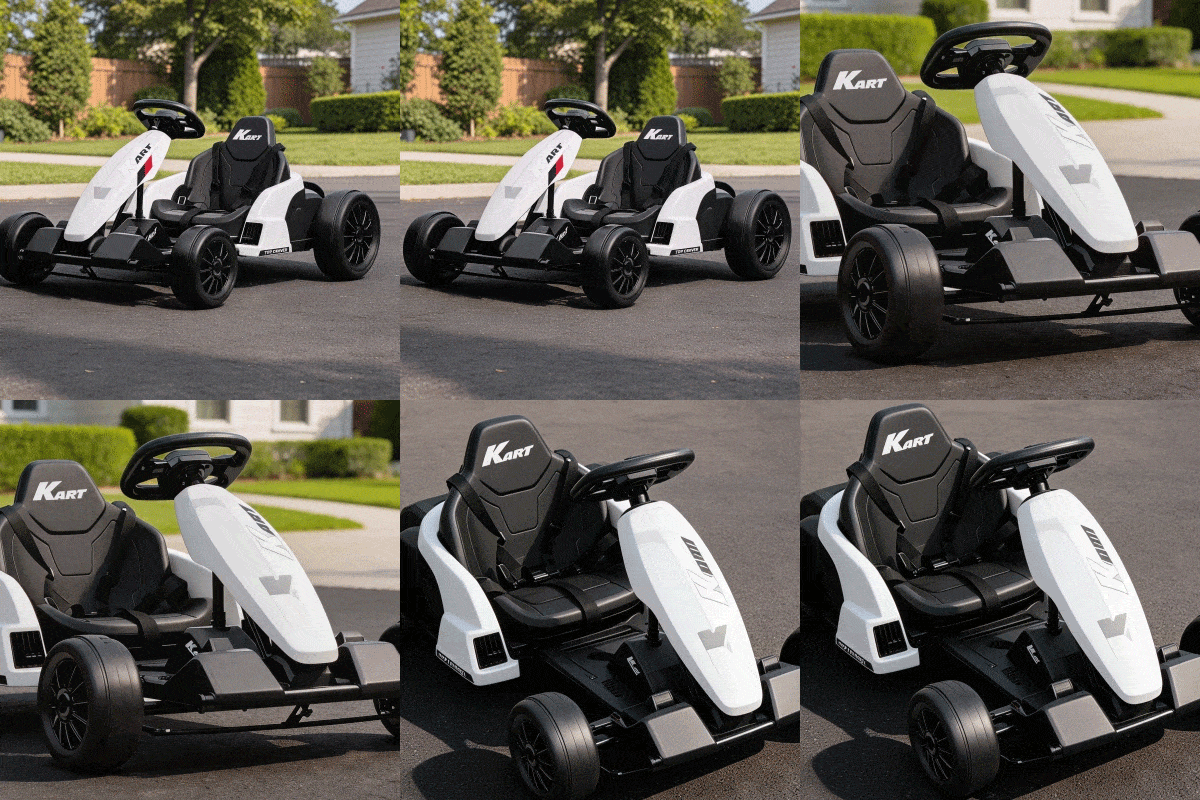

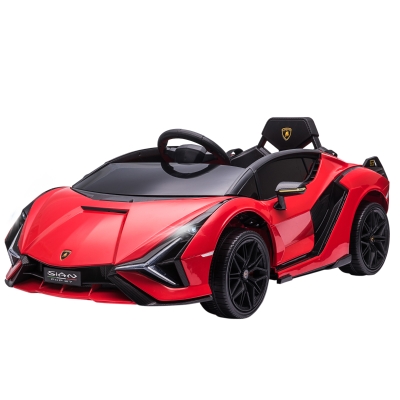
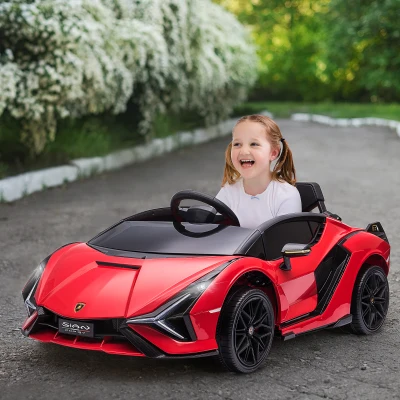
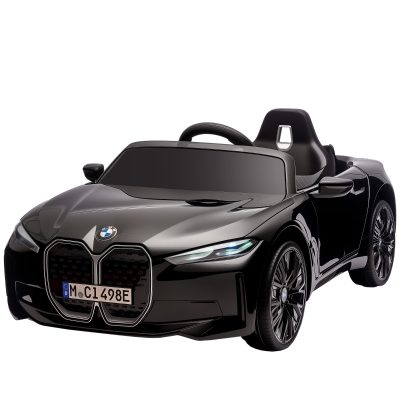
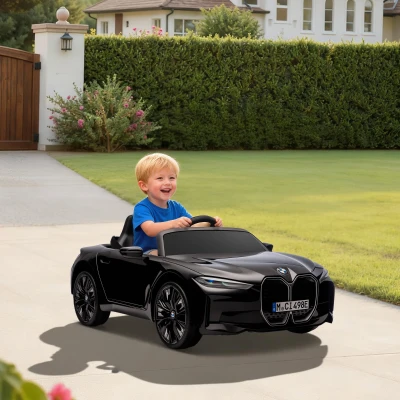






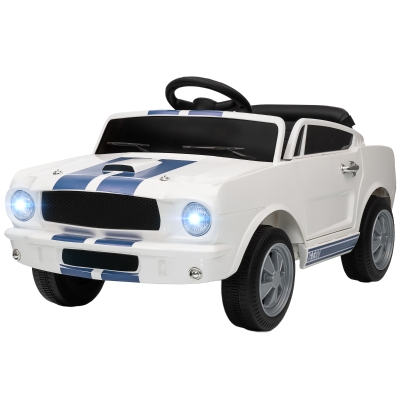
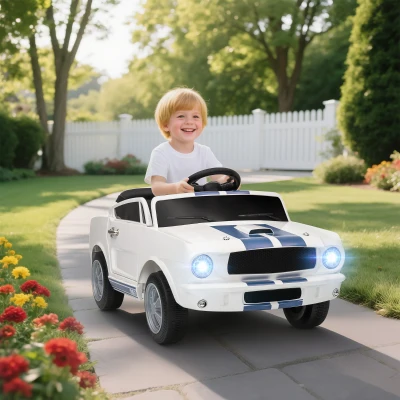


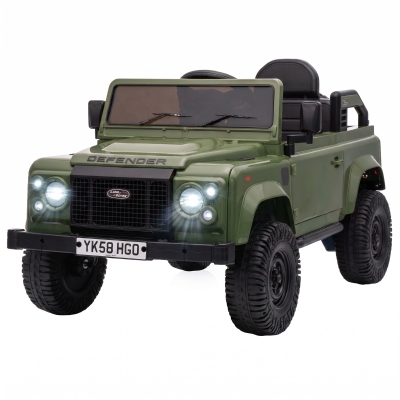
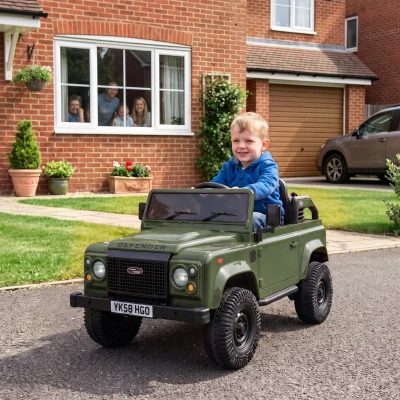


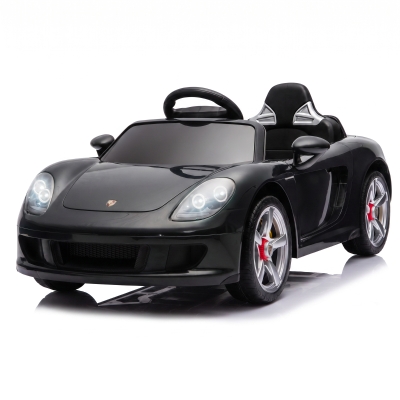
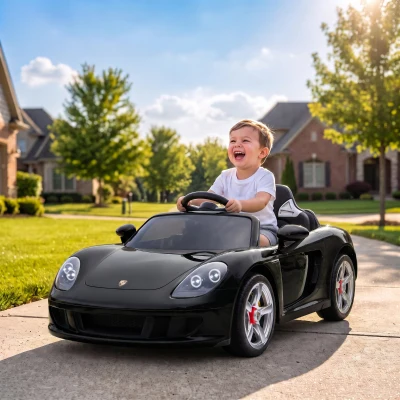


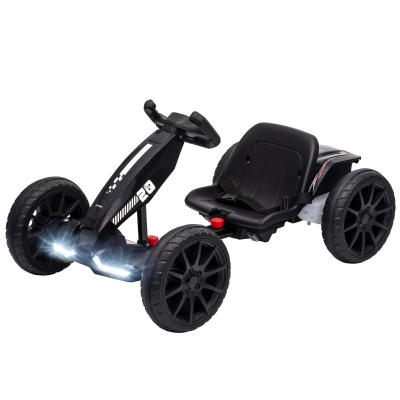



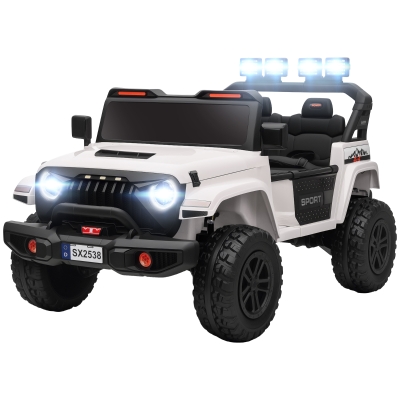
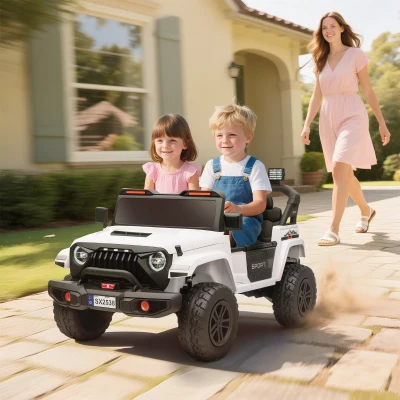


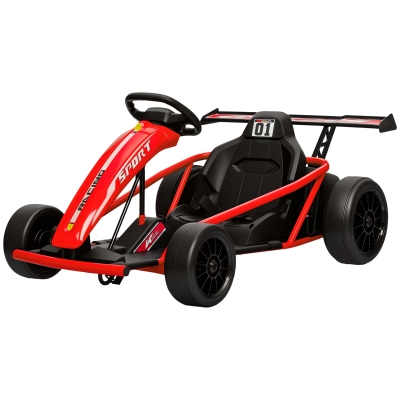



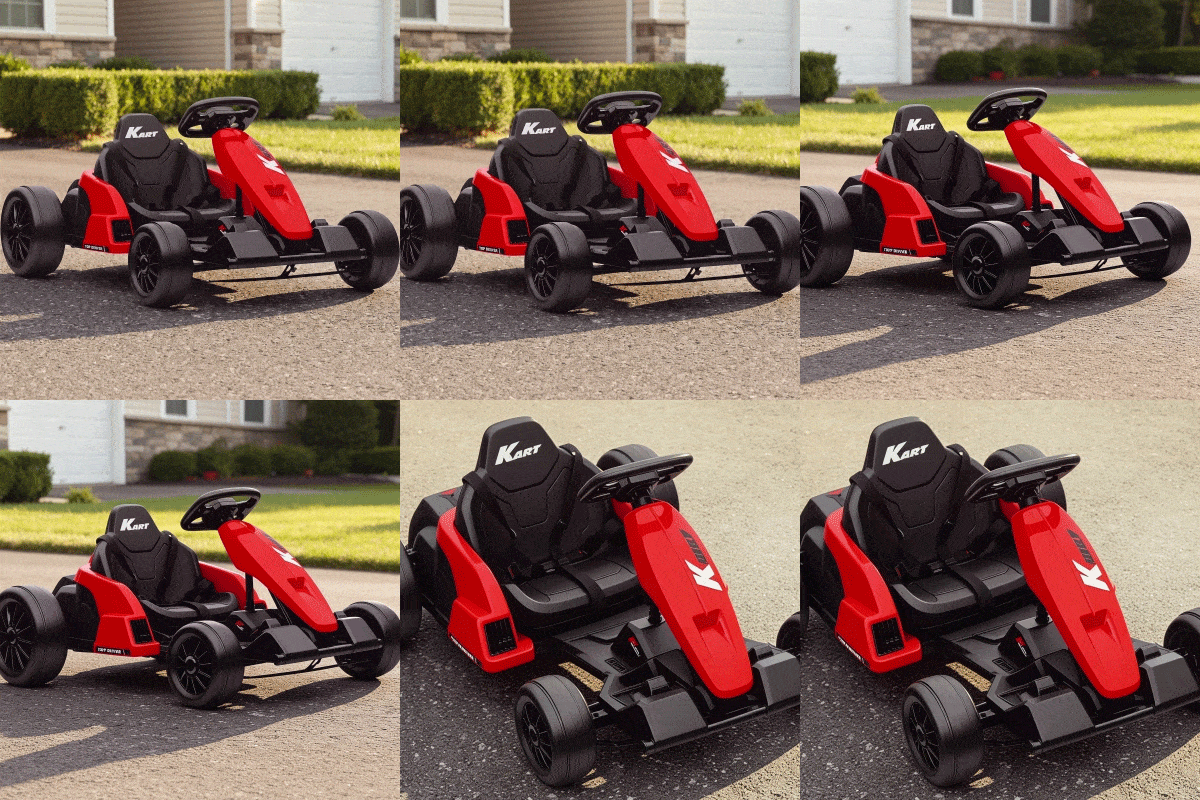

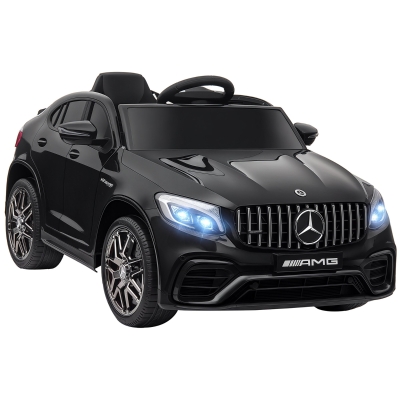
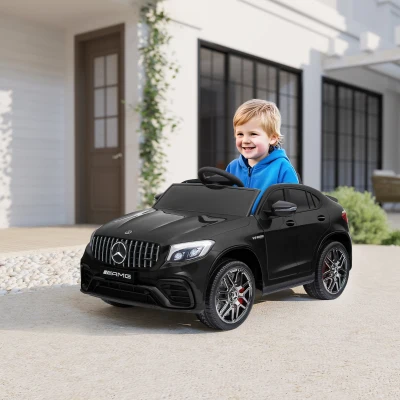
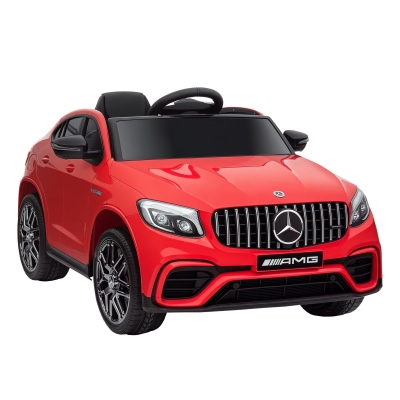
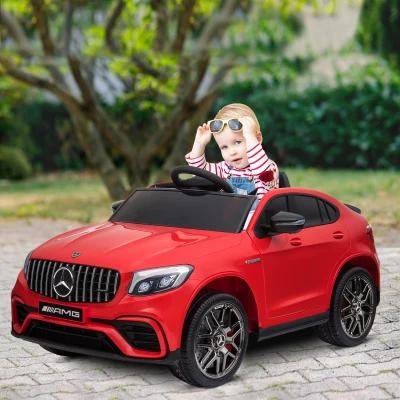
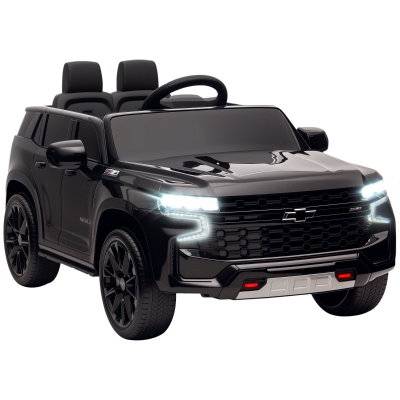
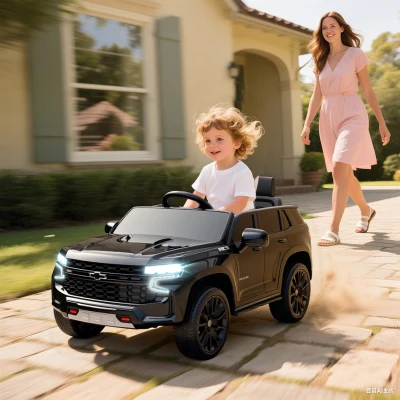


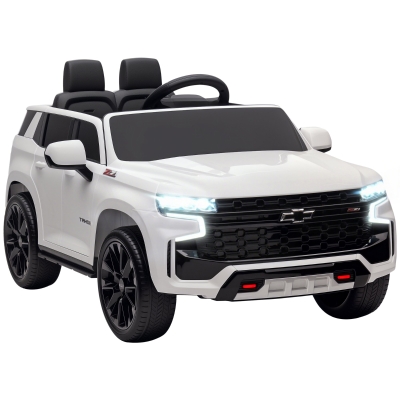
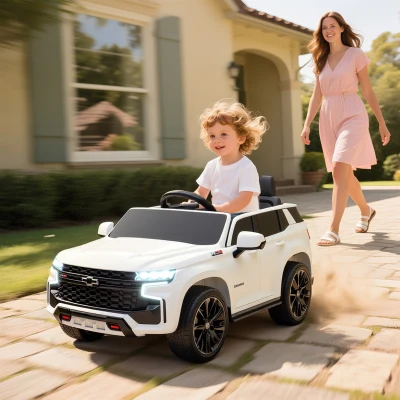

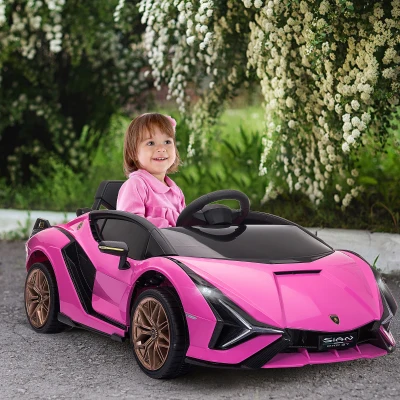


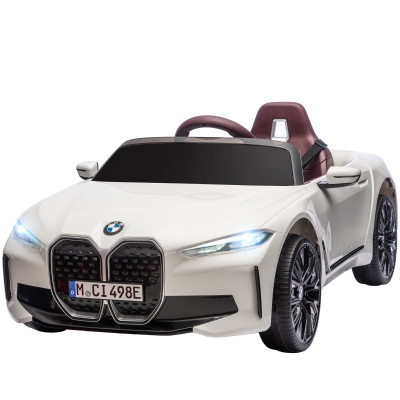
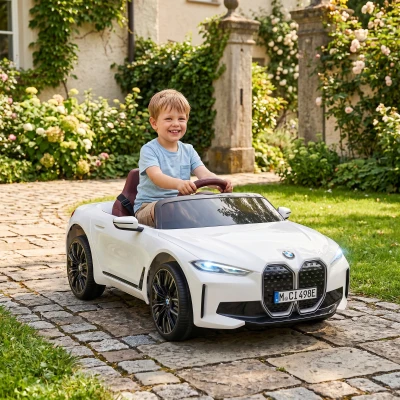
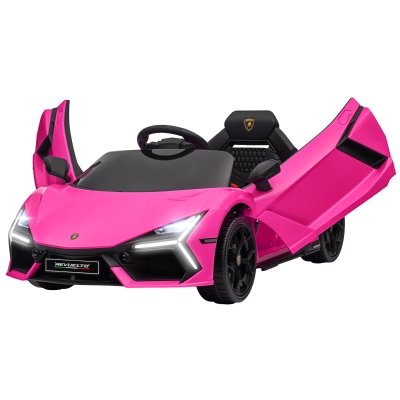
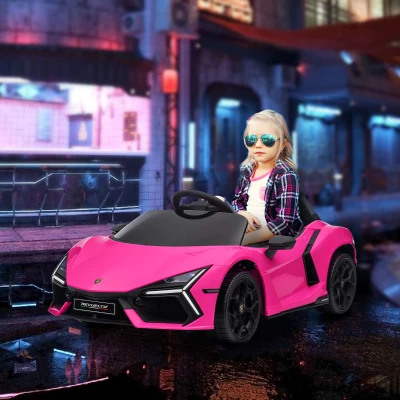
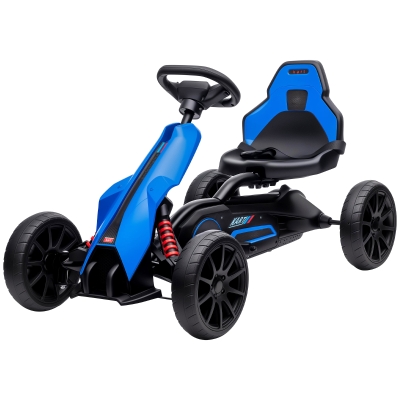



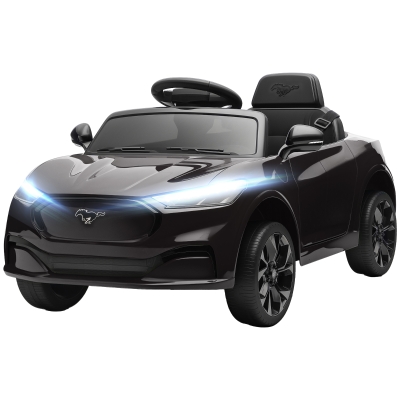
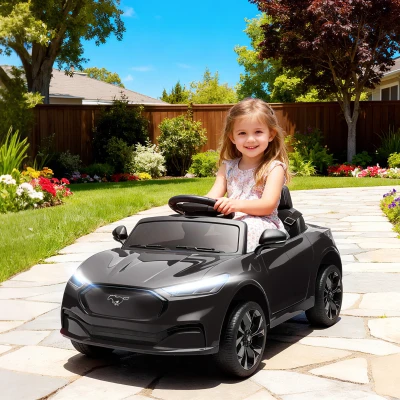


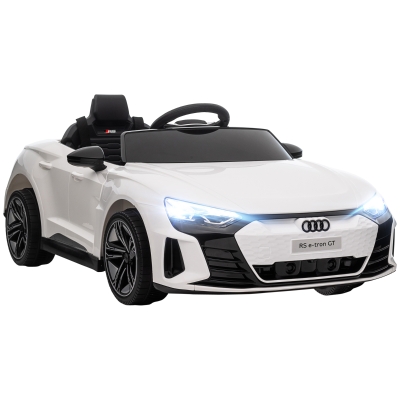
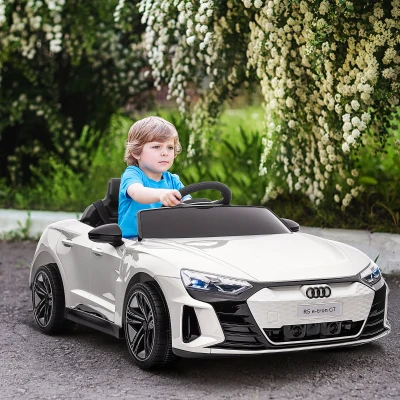


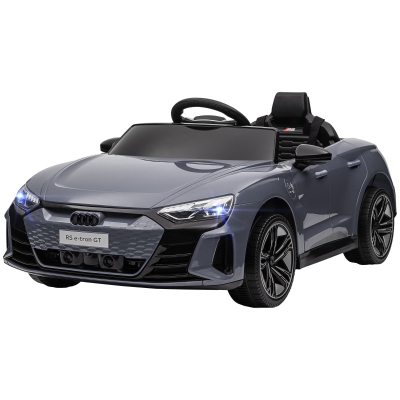
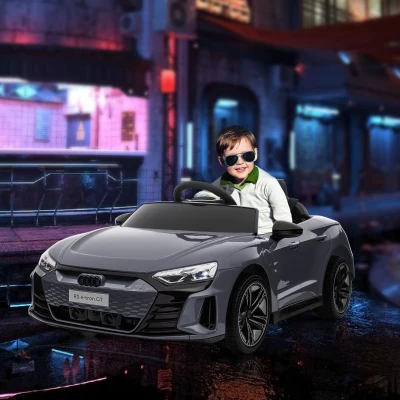

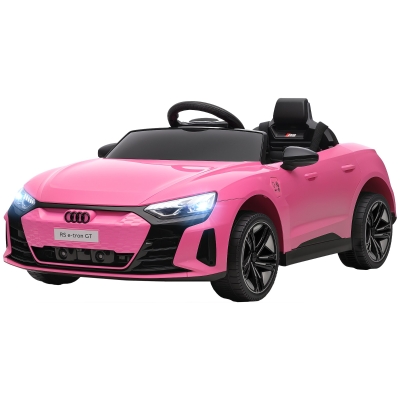
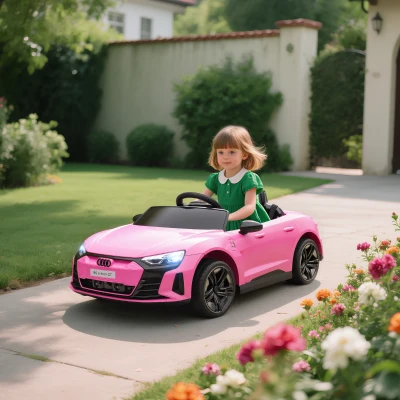
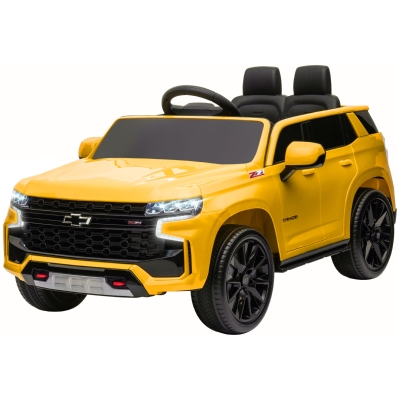
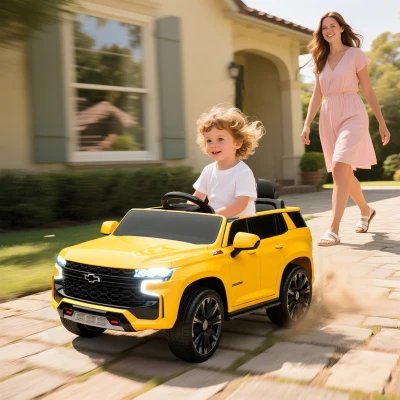
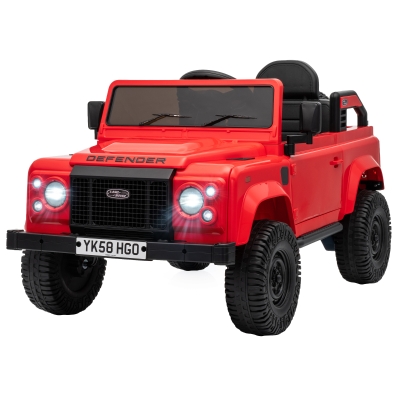
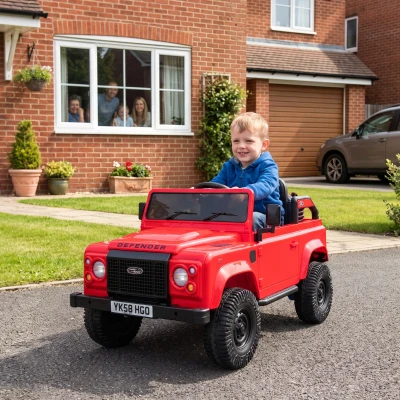
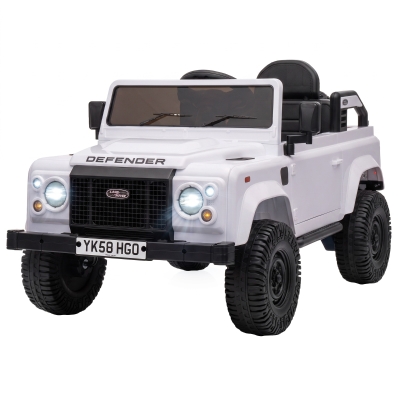
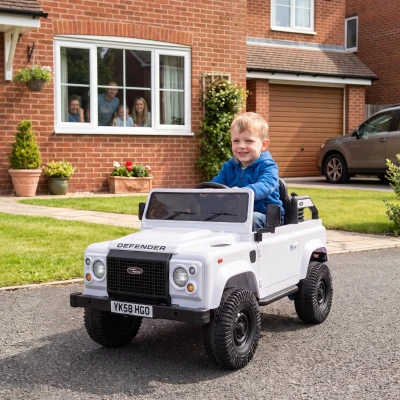
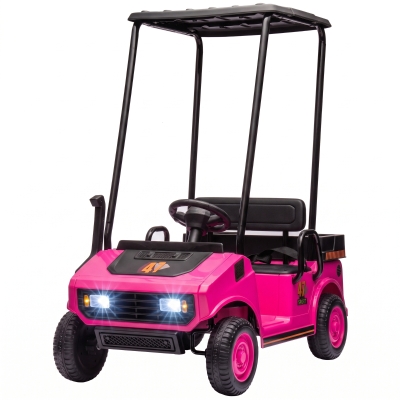
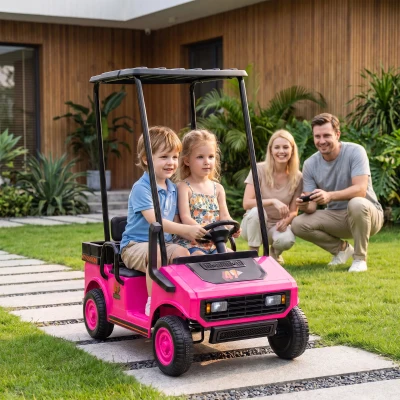


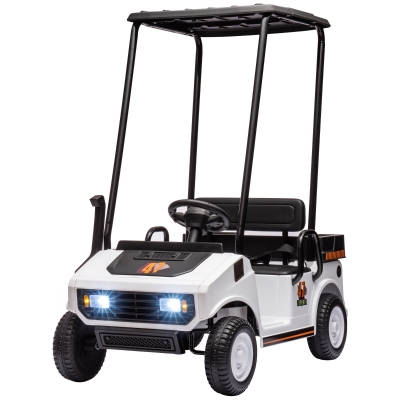
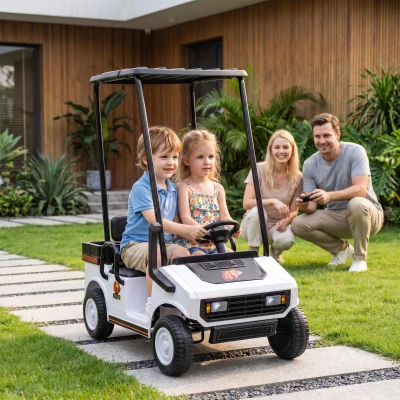
Toy cars are one of the most popular types of toys for children and adults alike. From remote-controlled cars to miniature replicas of classic models, the world of toy cars is vast and varied, with endless opportunities for imaginative play. However, in order to get most milage out of your toy cars, it’s important to properly take care of them. In this guide, we’ll cover everything you need to know about how to clean, store and select the right toy car for you.
How to Choose Toy Cars
When it comes to choosing the right toy car for you, there are several factors to consider. Here are some things to keep in mind.
• Age range: Make sure the toy car is appropriate for a child's age and skill level.
• Material: Look for toy cars made with durable materials that can withstand lots of play.
• Functionality: Consider whether you want a remote-controlled car or a push-and-go car, and if you want additional features such as lights or sound effects.
• Design: Choose a toy car that appeals to the child's interests and preferences.
How to Clean Toy Cars
Cleaning toy cars is essential to their care and maintenance. Over time, dirt and dust can accumulate on the surface, making it look dull and less appealing. Here are some tips for cleaning a toy car.
• Use a soft-bristled brush or microfiber cloth to gently remove dust and dirt from the surface.
• For tougher stains, use a mild soap and water solution. Be careful not to soak the toy car.
• Avoid harsh chemicals or abrasive material that might scratch or damage the toy car's surface.
• Dry the toy car thoroughly after cleaning, to prevent water spots or damage to any electronic components.
How to Store Toy Cars
Proper storage is key to keeping your toy cars safe and in good condition. Here are some tips for storing your toy cars:
• Keep toy cars out of direct sunlight, as UV rays can fade the color of the car over time.
• Store in a dry, cool place to prevent warping or damage to any electronic components.
• Avoid stacking toy cars on top of each other, as this can cause scratches or other damage.
• Use a dedicated storage container or display case to keep your toy cars organized and protected.
FAQs
1. Are toy cars safe for young children?
Yes, when chosen appropriately. Always check the age rating and ensure the toy has no small parts that could pose a choking hazard for young children. Adult supervision is recommended during play.
2. Can toy cars be repaired if they break?
It depends on the damage. Minor issues like loose wires or worn wheels can often be fixed at home. For major damage, especially to batteries or motors, professional repair or replacement is usually safer and more cost-effective.