


Last Updated: 03/19/2026

Abstract
Greenhouses are widely used to protect plants from environmental stress and extend growing seasons. However, many users misunderstand the thermal performance of greenhouse structures, assuming that the presence of plastic film or panels automatically provides sufficient winter insulation. In reality, greenhouses do not generate heat; instead, they function as thermal buffers that slow temperature changes by trapping solar energy and reducing nighttime heat loss.
This study examines the insulation performance of three common greenhouse types: tunnel greenhouses, walk-in garden greenhouses, and heavy-duty panel greenhouses. The analysis focuses on structural materials, enclosure systems, and thermal buffering capacity under varying outdoor temperatures.
The results indicate that greenhouse insulation capacity varies significantly depending on material type, layer structure, and air sealing performance. While greenhouses can reduce frost risk and extend planting seasons, extreme cold conditions require supplemental heating to maintain stable internal temperatures.
This study examines the insulation performance of three common greenhouse types: tunnel greenhouses, walk-in garden greenhouses, and heavy-duty panel greenhouses. The analysis focuses on structural materials, enclosure systems, and thermal buffering capacity under varying outdoor temperatures.
The results indicate that greenhouse insulation capacity varies significantly depending on material type, layer structure, and air sealing performance. While greenhouses can reduce frost risk and extend planting seasons, extreme cold conditions require supplemental heating to maintain stable internal temperatures.
Keywords
Greenhouse insulation
Thermal buffering
Greenhouse materials
Frost protection
Controlled environment agriculture
Thermal buffering
Greenhouse materials
Frost protection
Controlled environment agriculture
1. Introduction
Greenhouses are commonly perceived as structures that “keep plants warm during winter.” This perception often leads users to assume that a greenhouse can maintain warm temperatures regardless of outdoor conditions.
In reality, this assumption reflects a misunderstanding of greenhouse thermodynamics.
A greenhouse does not actively produce heat. Instead, it functions as a passive thermal buffer that modifies temperature fluctuations through solar heat gain and reduced heat loss.
The primary thermal effects of a greenhouse include:
capturing solar radiation during daytime
reducing wind exposure
slowing heat loss at night
capturing solar radiation during daytime
reducing wind exposure
slowing heat loss at night
However, greenhouse structures cannot completely offset prolonged low temperatures without additional heating.
Understanding the difference between thermal buffering and active heating is essential for evaluating greenhouse insulation performance.
2. Thermal Mechanisms in Greenhouses
2.1 Solar Heat Gain
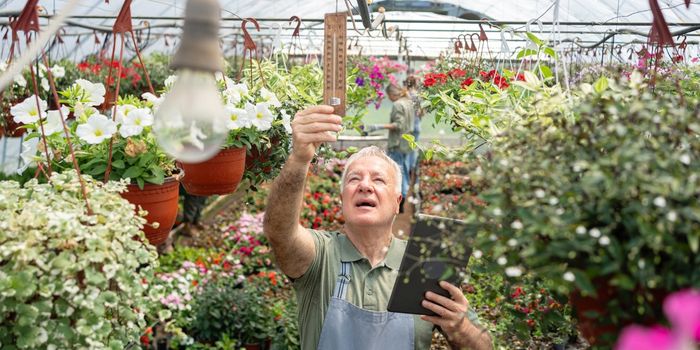
During daylight hours, solar radiation enters the greenhouse through transparent or translucent covering materials.
The internal surfaces, soil, and plants absorb this radiation and convert it into heat. Because the greenhouse enclosure reduces convective heat loss, internal temperatures may rise above outdoor temperatures.
This process is commonly known as the greenhouse effect.
2.2 Nighttime Heat Retention
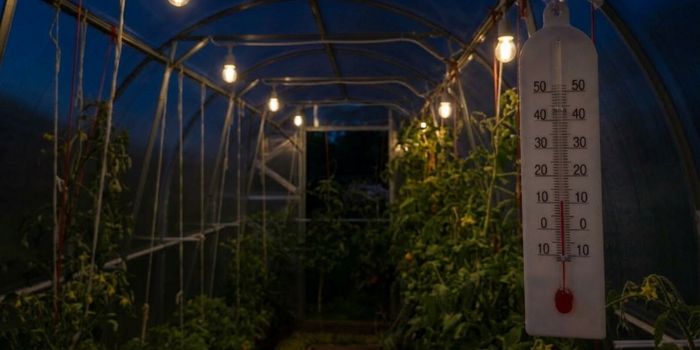
At night, solar radiation disappears and internal heat gradually dissipates through several mechanisms:
- heat conduction through greenhouse materials
- air leakage and convection
- longwave radiation through the enclosure
Greenhouses reduce these losses compared with open environments, allowing internal temperatures to decrease more slowly than outdoor temperatures.
However, once internal heat is lost, the greenhouse cannot generate additional heat without external energy sources.
Therefore, the fundamental principle remains:
A greenhouse delays cooling but does not create heat.
3. Insulation Characteristics of Greenhouse Materials
The insulation performance of a greenhouse is strongly influenced by the thermal properties of its covering materials.

3.1 Polyethylene (PE) Film
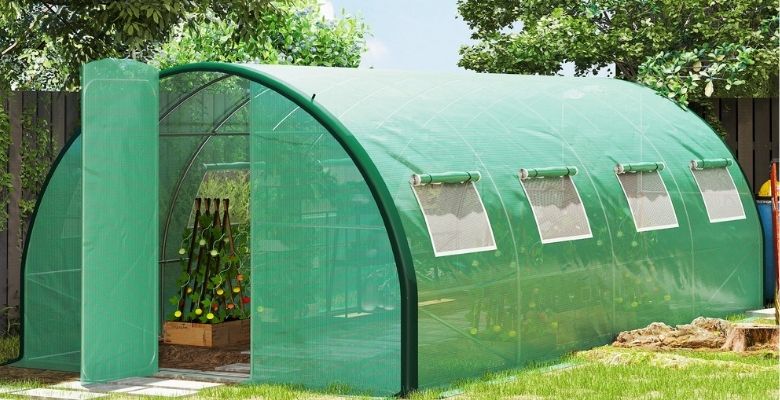
Polyethylene film is widely used in lightweight greenhouse structures due to its low cost and flexibility.
Characteristics include:
- high light transmission
- low structural weight
- limited thermal insulation
Because PE films are typically thin and often contain ventilation gaps, heat can escape through both convection and radiation.
Typical thermal performance:
- temperature increase of approximately 3–5°C above outdoor conditions under favorable conditions.
3.2 Polyvinyl Chloride (PVC) Film
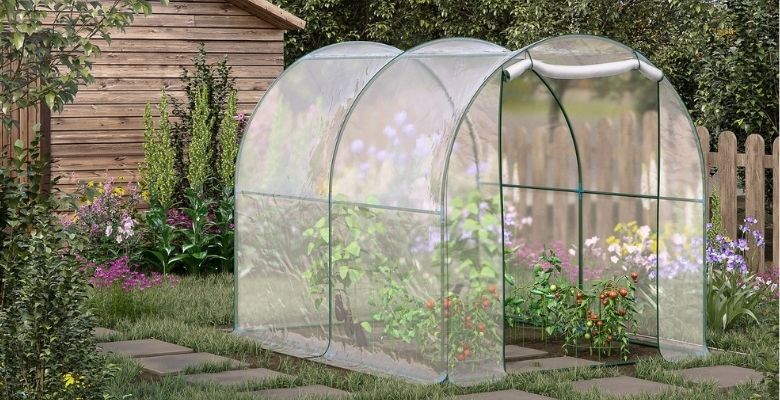
PVC film provides improved insulation compared with PE due to its higher density and better air sealing.
Advantages include:
- reduced heat loss
- improved structural enclosure
- moderate insulation capacity
Typical temperature buffering performance ranges from:
8–12°C above outdoor temperatures, depending on solar exposure and greenhouse configuration.
When additional insulation layers are used, temperature differences may increase to 10–15°C.
3.3 Polycarbonate (PC) Panels
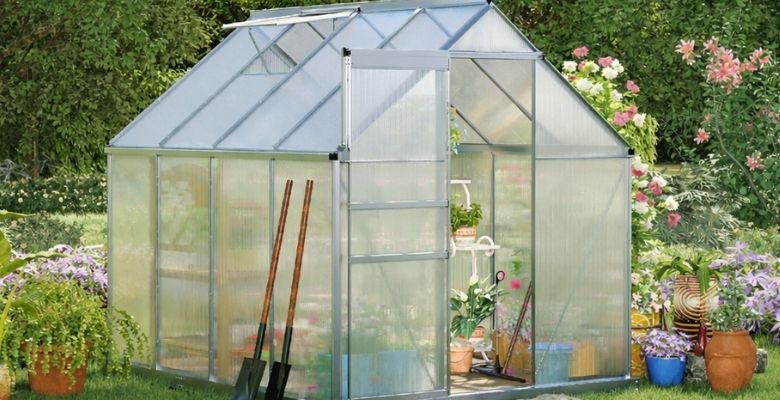
Polycarbonate panels provide the highest insulation performance among common greenhouse materials.
Multi-wall polycarbonate panels contain air chambers, which function as thermal insulation layers.
Air has a low thermal conductivity of approximately:
0.023 W/(m·K)
This trapped air significantly reduces heat transfer.
Typical temperature increases include:
- 15–20°C above outdoor temperature for double-wall panels
- 20–25°C for triple-wall structures under favorable conditions
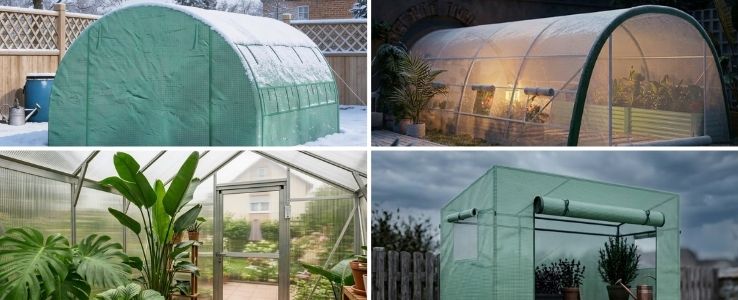
The Greenhouse Collection


4. Thermal Performance of Different Greenhouse Types
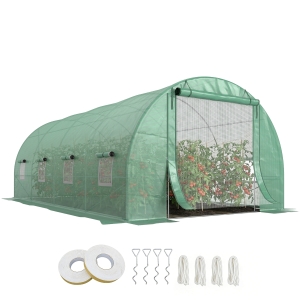
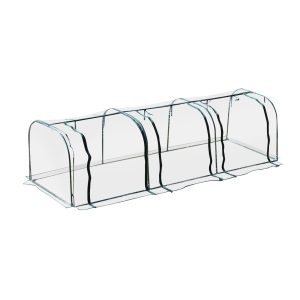
4.1 Tunnel Greenhouses
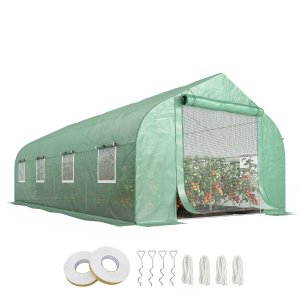
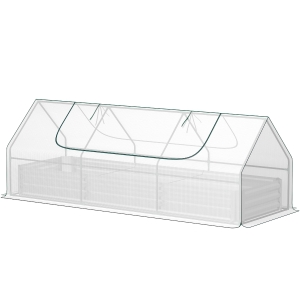
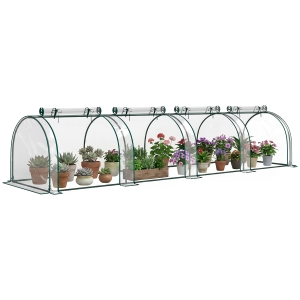
Tunnel greenhouses typically feature:
PE or PO film covering;
lightweight steel frames
ground-insert installation
single or double-layer film
These structures provide minimal insulation but still offer useful thermal buffering.
Typical temperature differences:
Outdoor 0°C → Internal 2–4°C
Outdoor −2°C → Internal approximately 0°C
Tunnel greenhouses primarily serve to delay frost formation rather than resist severe cold.
Typical applications include:
early spring seedling cultivation
extending growing seasons
protection against light frost, wind, and rain
They are generally unsuitable for overwintering vegetables in cold climates.
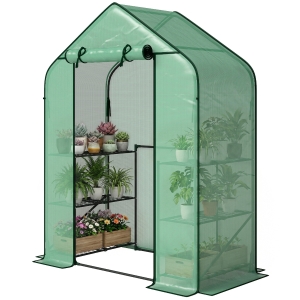
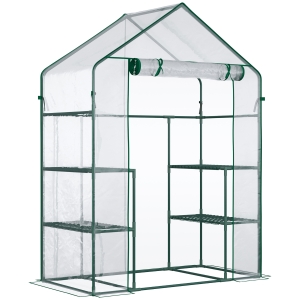
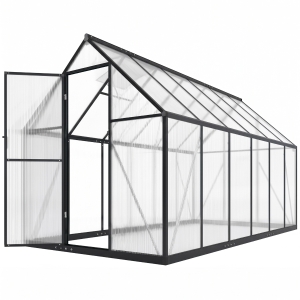
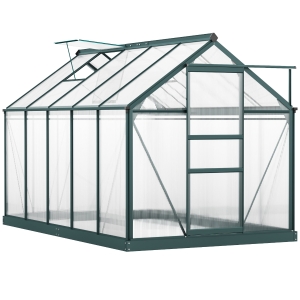
4.2 Walk-in Garden Greenhouses
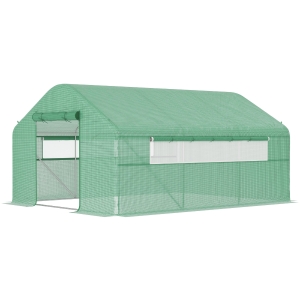
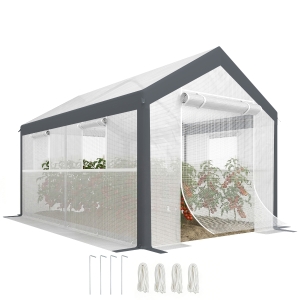
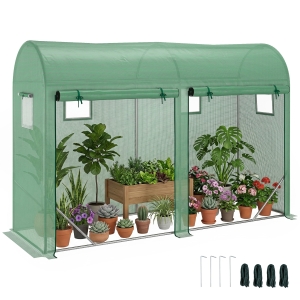
Walk-in garden greenhouses typically feature:
PVC or PE film covering
enclosed structures with doors and ventilation windows
improved sealing compared with tunnel structures
PVC-covered models provide improved insulation performance.
Typical temperature differences:
Outdoor 0°C → Internal 4–8°C
Outdoor −2°C → Internal 1–4°C
These greenhouses can extend planting seasons and support some cold-tolerant crops during winter.
However, tropical plants require supplemental heating.
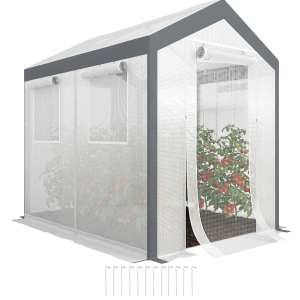
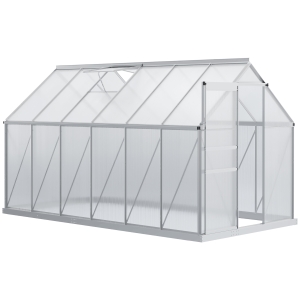
4.3 Heavy-Duty Greenhouses
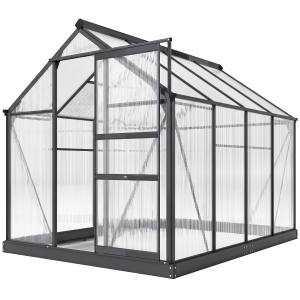
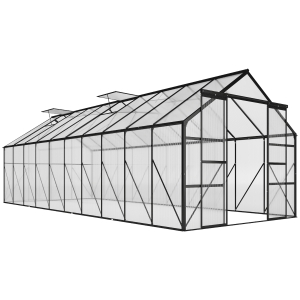
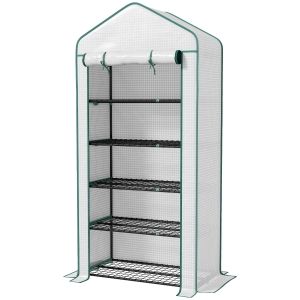
Heavy-duty greenhouses use rigid panel systems, typically featuring:
double-wall polycarbonate panels
aluminum frames
sealed structural connections
permanent foundations
These features significantly improve thermal buffering capacity.
Typical temperature differences include:
Outdoor 0°C → Internal 6–10°C
Outdoor −3°C → Internal 2–6°C
While these structures provide the strongest insulation among the three types, they still rely on external heat sources under extremely low temperatures.
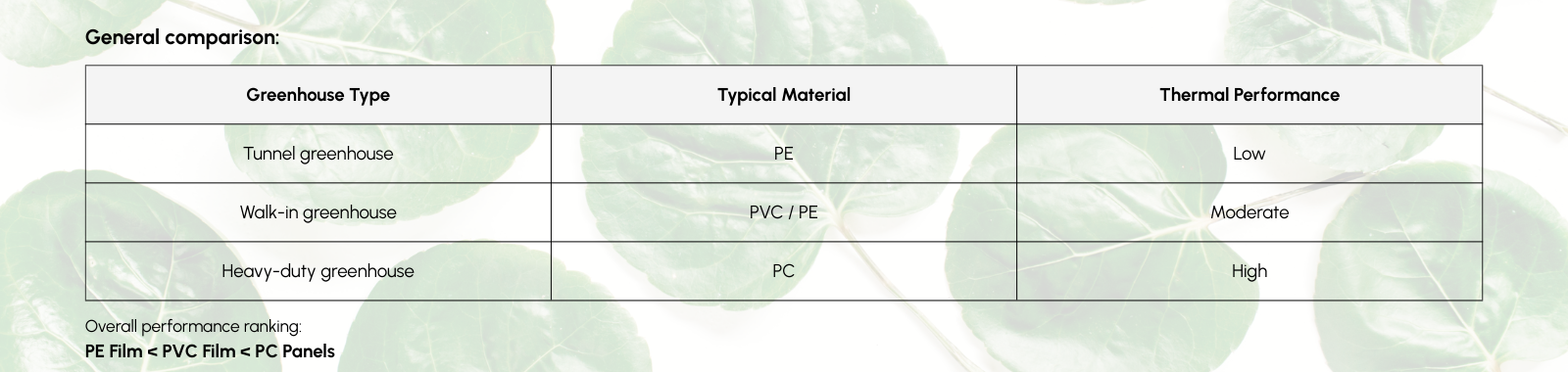
5. Comparative Thermal Performance
The insulation performance of greenhouse structures is primarily determined by material type and enclosure quality.
The Greenhouse Collection
6. Conditions Requiring Supplemental Heating
Even well-insulated greenhouses require additional heating under certain conditions.
Supplemental heating is recommended when:
- temperatures remain below −3°C for several consecutive days
- tropical plants are cultivated
- nighttime temperatures fall below −5°C
- daily sunlight duration is less than 6 hours
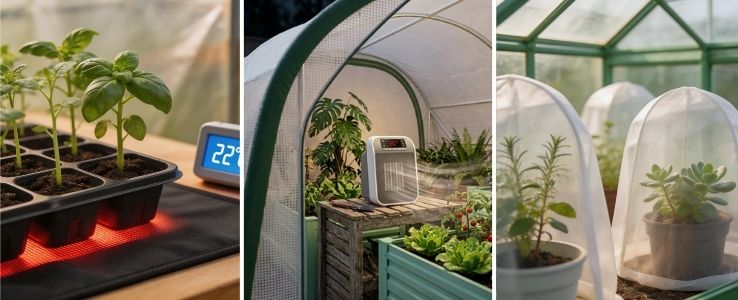
Common heating solutions include:
- soil heating mats
- small thermostatic heaters
- thermal insulation covers
7. Practical Implications for Greenhouse Use
Greenhouses should not be evaluated solely by their ability to maintain warm temperatures during winter.
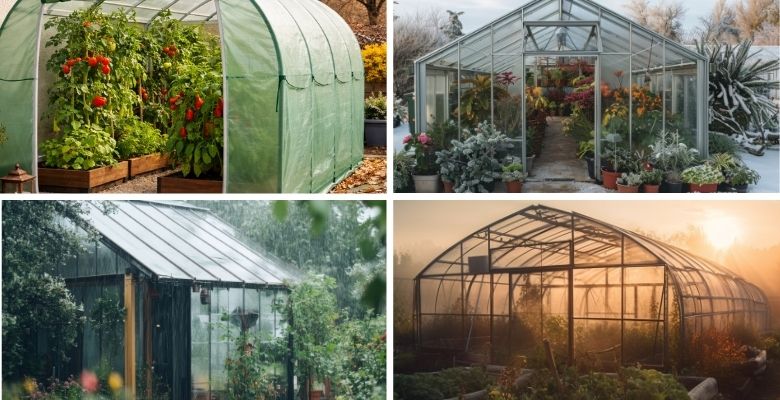
Instead, their primary functions include:
- extending planting seasons
- reducing frost risk
- protecting plants from wind and rain
- stabilizing temperature fluctuations
Extreme winter conditions still require additional heating systems to maintain plant growth.
8. Conclusion
Greenhouses function primarily as thermal buffering systems rather than heat-generating devices. Their ability to retain warmth depends on structural design, material properties, and environmental conditions.
Tunnel greenhouses provide minimal insulation and are best suited for early-season cultivation and light frost protection. Walk-in garden greenhouses offer moderate thermal buffering and can extend growing seasons for certain crops. Heavy-duty polycarbonate greenhouses provide the strongest insulation performance but still require supplemental heating in extreme cold conditions.
Understanding the thermal limitations of greenhouse structures allows users to select appropriate greenhouse types and avoid unrealistic expectations regarding winter insulation performance.
References
U.S. Department of Energy (DOE). (2018).
Energy Efficiency and Renewable Energy for Agricultural Buildings.
U.S. Department of Energy.
https://energy.gov
Pennsylvania State University Extension. (2017).
Greenhouse Energy Conservation and Heat Retention Strategies.
Penn State Extension.
Cornell University Cooperative Extension. (2016).
Managing Greenhouse Heating and Energy Costs.
Cornell University.
University of Arizona Controlled Environment Agriculture Center. (2019).
Greenhouse Cooling, Heating and Energy Balance Systems.
University of Arizona.
California Energy Commission. (2020).
Energy Use and Efficiency in Controlled Environment Agriculture.
State of California.
University of California Agriculture and Natural Resources (UC ANR). (2018).
Greenhouse Energy Management and Climate Optimization.
University of California.
Energy Efficiency and Renewable Energy for Agricultural Buildings.
U.S. Department of Energy.
https://energy.gov
Pennsylvania State University Extension. (2017).
Greenhouse Energy Conservation and Heat Retention Strategies.
Penn State Extension.
Cornell University Cooperative Extension. (2016).
Managing Greenhouse Heating and Energy Costs.
Cornell University.
University of Arizona Controlled Environment Agriculture Center. (2019).
Greenhouse Cooling, Heating and Energy Balance Systems.
University of Arizona.
California Energy Commission. (2020).
Energy Use and Efficiency in Controlled Environment Agriculture.
State of California.
University of California Agriculture and Natural Resources (UC ANR). (2018).
Greenhouse Energy Management and Climate Optimization.
University of California.
About the Author
Dr. Ethan Walker
Dr. Ethan Walker is a researcher in agricultural and biosystems engineering specializing in greenhouse energy systems and environmental control. His work focuses on heat transfer, ventilation efficiency, and energy optimization in greenhouse structures across diverse climate conditions in the United States.
With a background in applied thermal engineering, his research explores how insulation materials, airflow management, and heating systems influence greenhouse performance and energy consumption. He has contributed to studies on improving efficiency and sustainability in both commercial and residential greenhouse environments.